Commercial Roofing Services
Repair, maintenance, coating, metal, inspection, storm, and replacement scopes for commercial roofs across the Des Moines metro.

Repair, maintenance, coating, metal, inspection, storm, and replacement scopes for commercial roofs across the Des Moines metro.
Leaks rarely surface where they enter, which is why we trace water back across the membrane field and log dated photos a Greater Des Moines owner can hand to any adjuster.
Storm season on the prairie is relentless, so after the wind passes we sort what is actively letting water in from what can safely hold until a permanent repair is scheduled.
A full tear-off lets us correct slope, insulation depth, and the interior drain and scupper lines together, so the replacement outlasts the prairie downpours that beat the old roof.
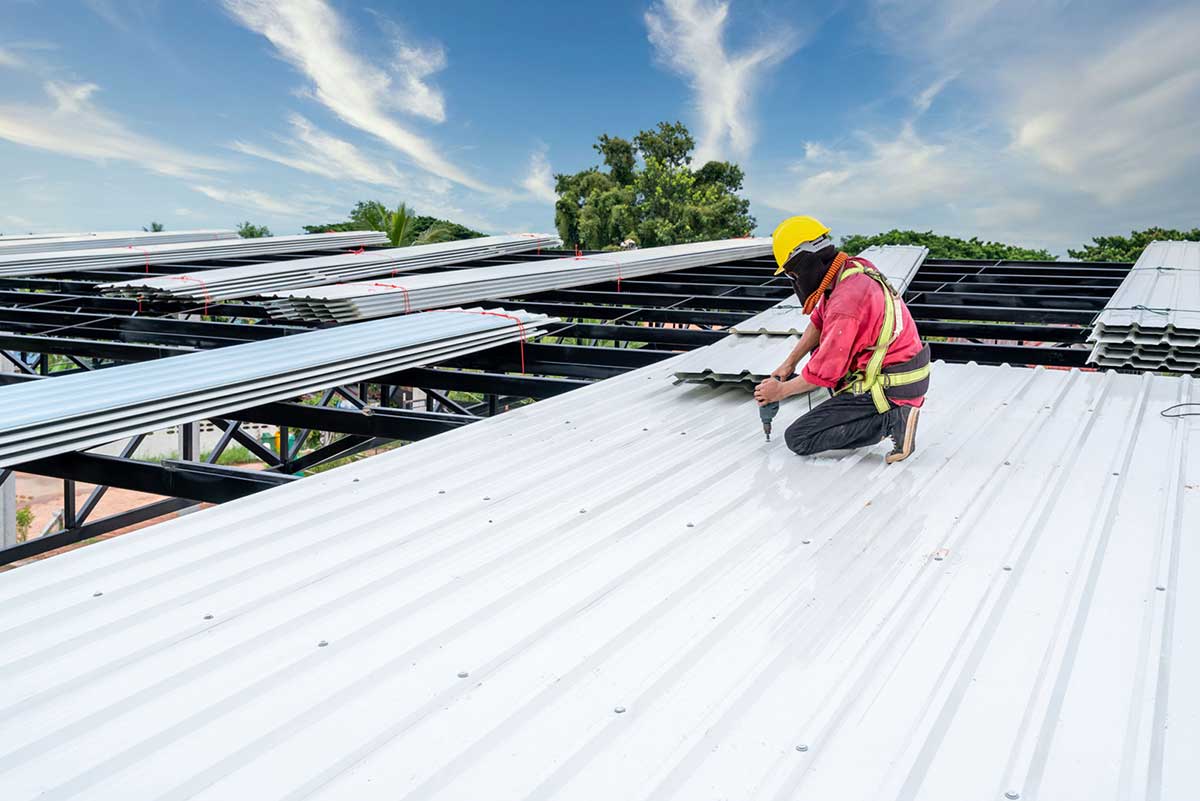
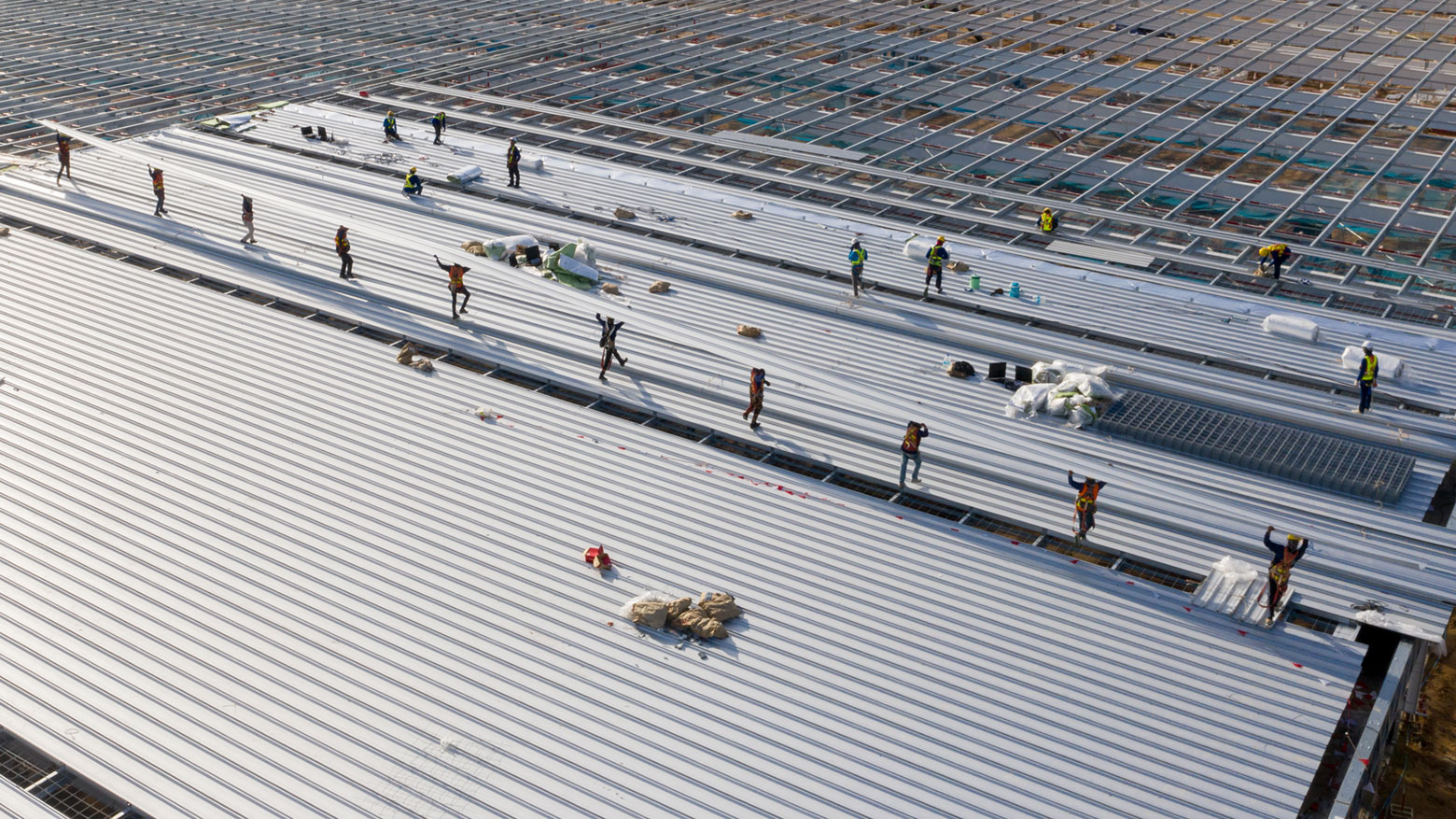
When patch after patch stops holding, a full re-roof lets us tear back to the deck, dry out saturated insulation, and reset the slope so meltwater actually reaches the drains.
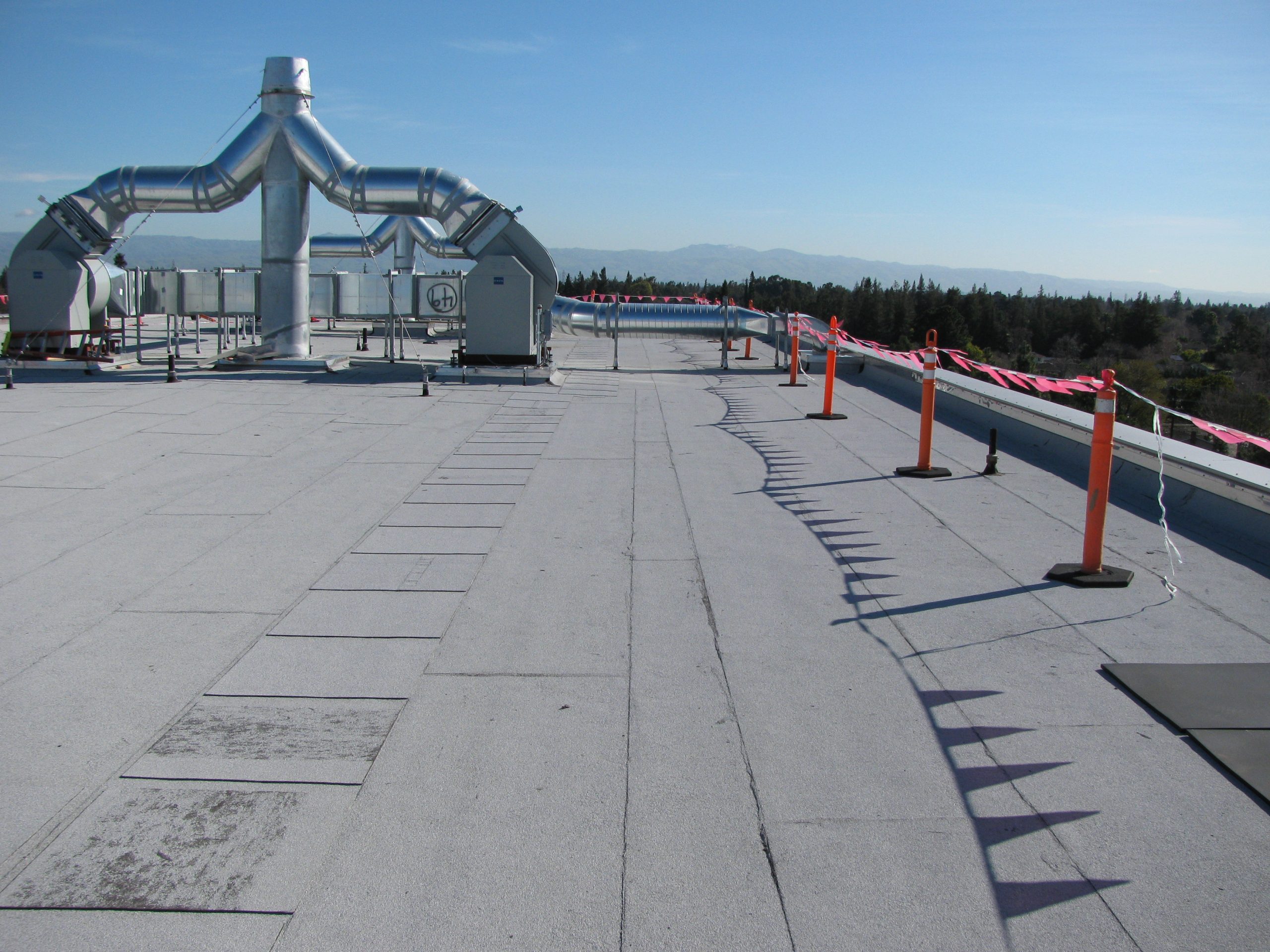
Re-roofing over a working building means staging tear-off and dry-in by section, keeping the space usable through humid summer afternoons and a roof that can no longer wait for repairs.
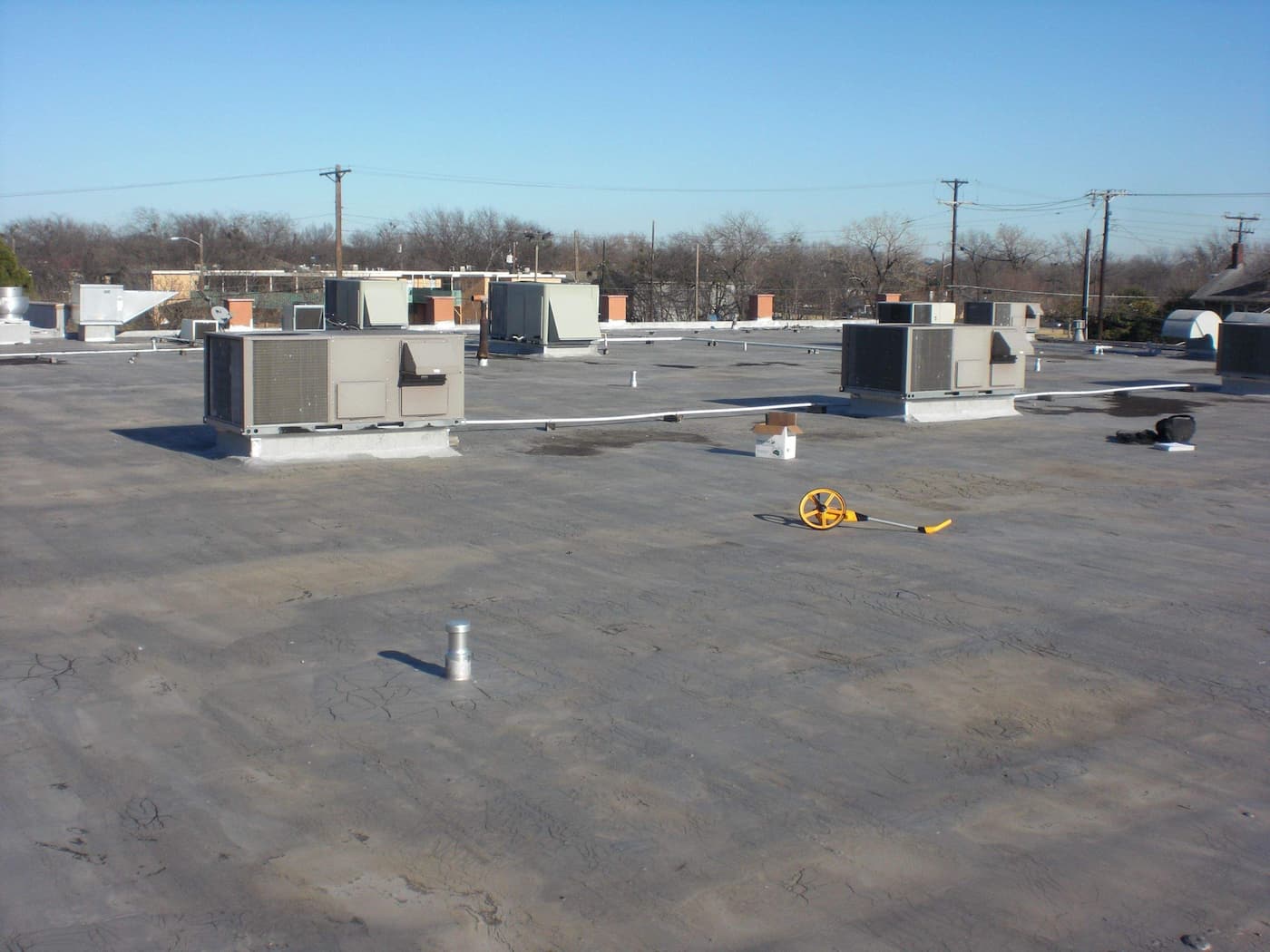
After Iowa thunderstorms drop hail, we separate cosmetic bruising from real fractures across the membrane, flashings, and rooftop units, then document what actually warrants a claim.
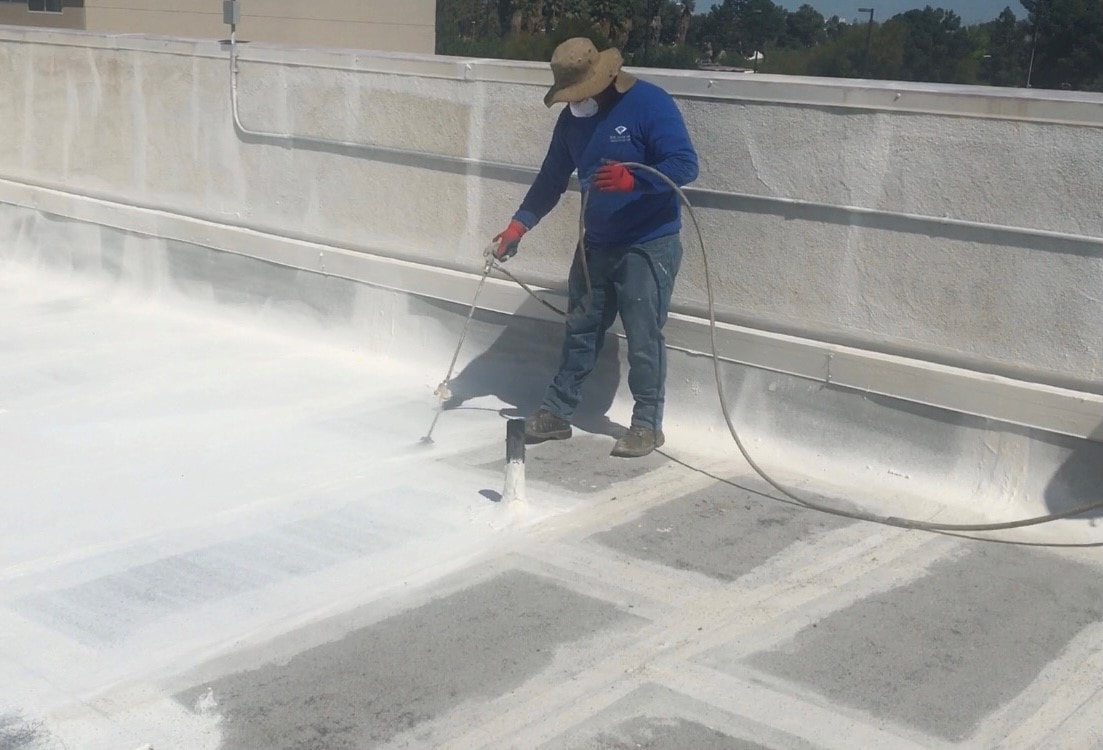
When a roof is weathered but still sound, an acrylic or silicone coating reseals curbs, pipe boots, and HVAC penetrations and adds reflectivity for the long, humid Iowa summer.
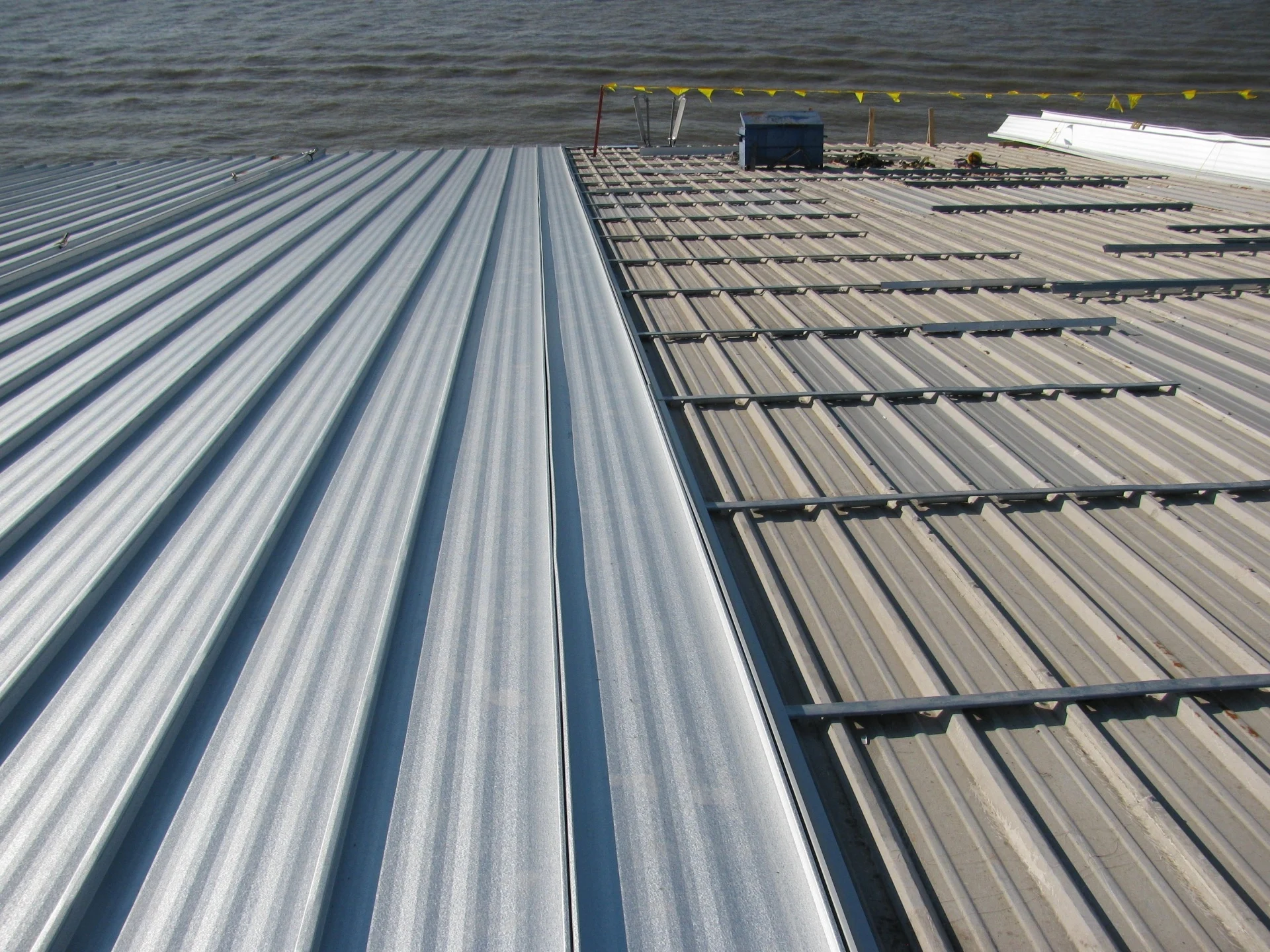
A recover overlay can add years to a structurally sound Des Moines deck, but only after moisture scans confirm the substrate underneath is genuinely dry.
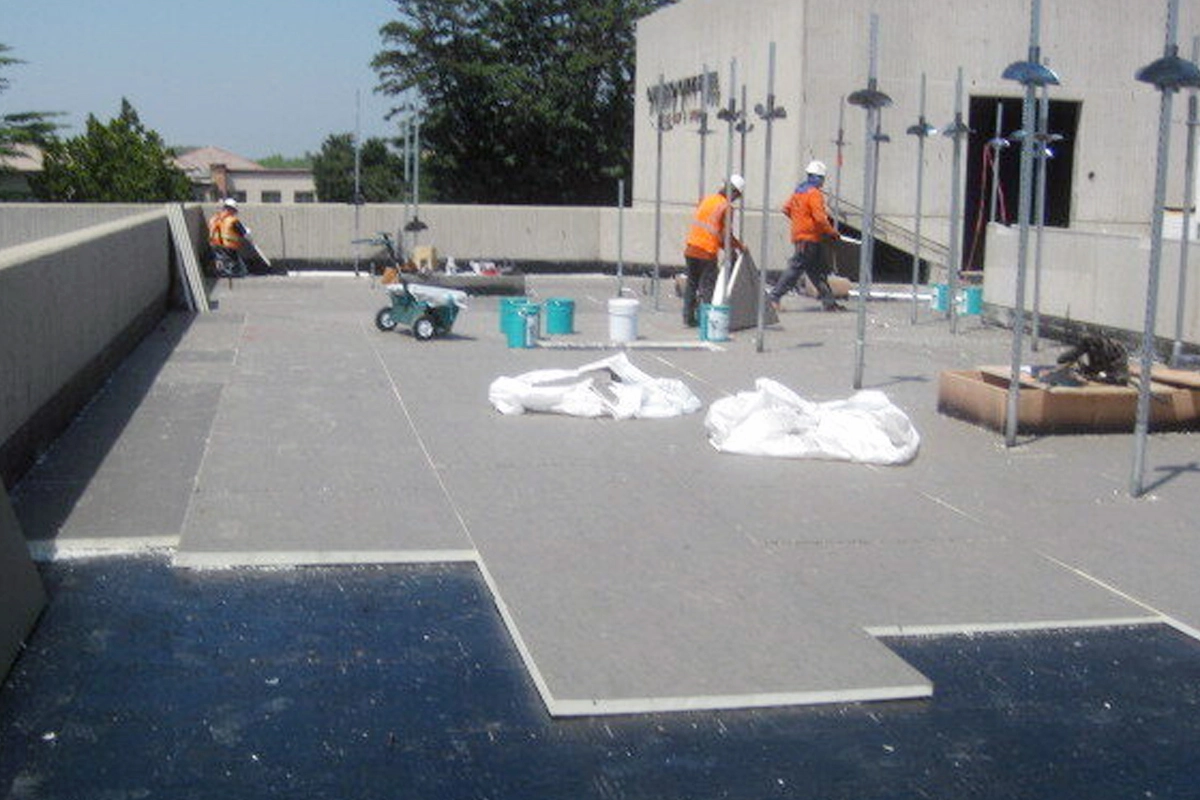
Before committing to a tear-off, we check whether a recovery board and fresh insulation can ride over a sound Central Iowa deck once perimeter flashings and moisture readings check out.
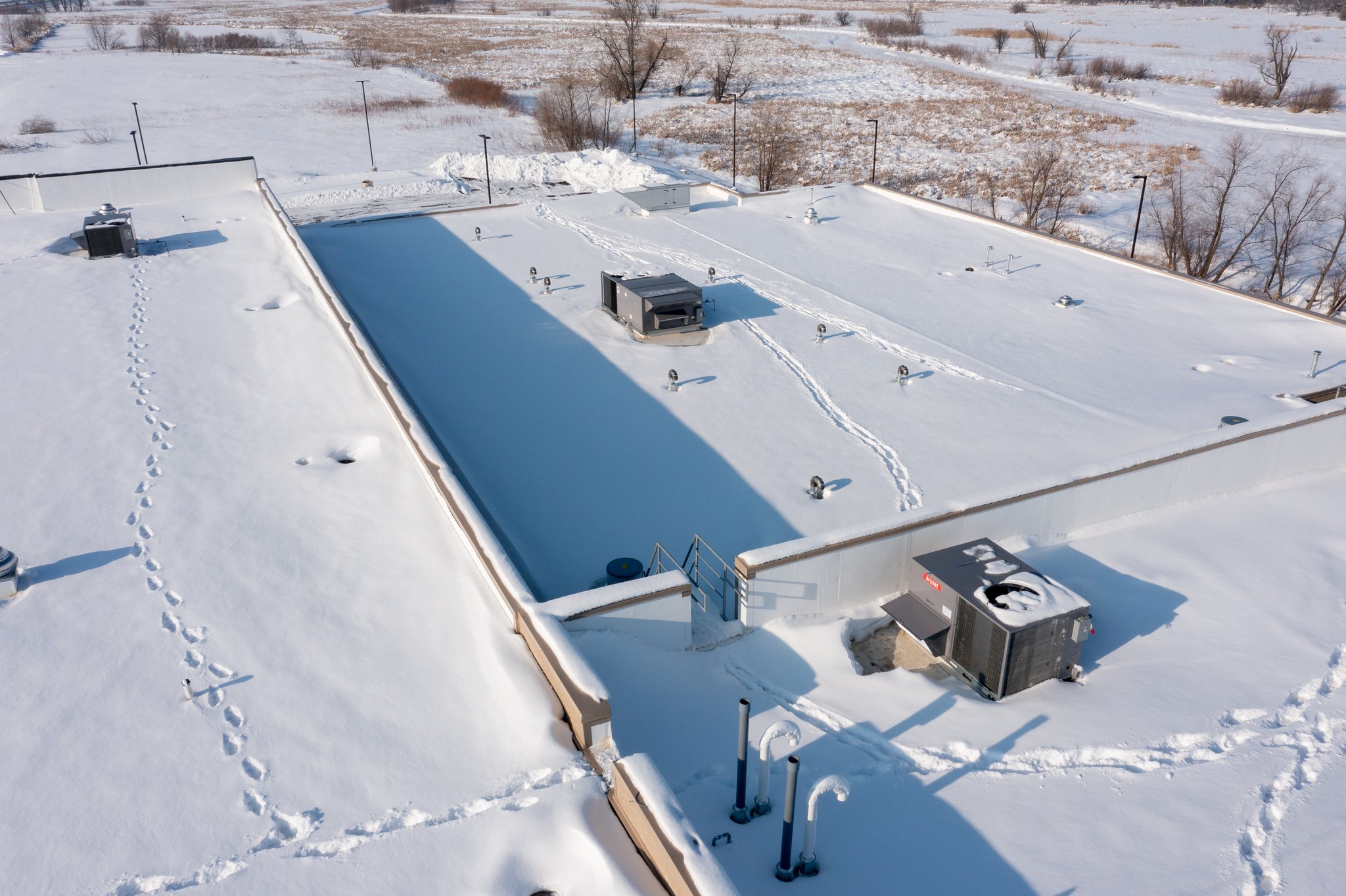
Two scheduled visits a year, timed to spring storm season and the first hard freeze, keep small defects off the budget and out of the tenant spaces beneath a Des Moines roof.
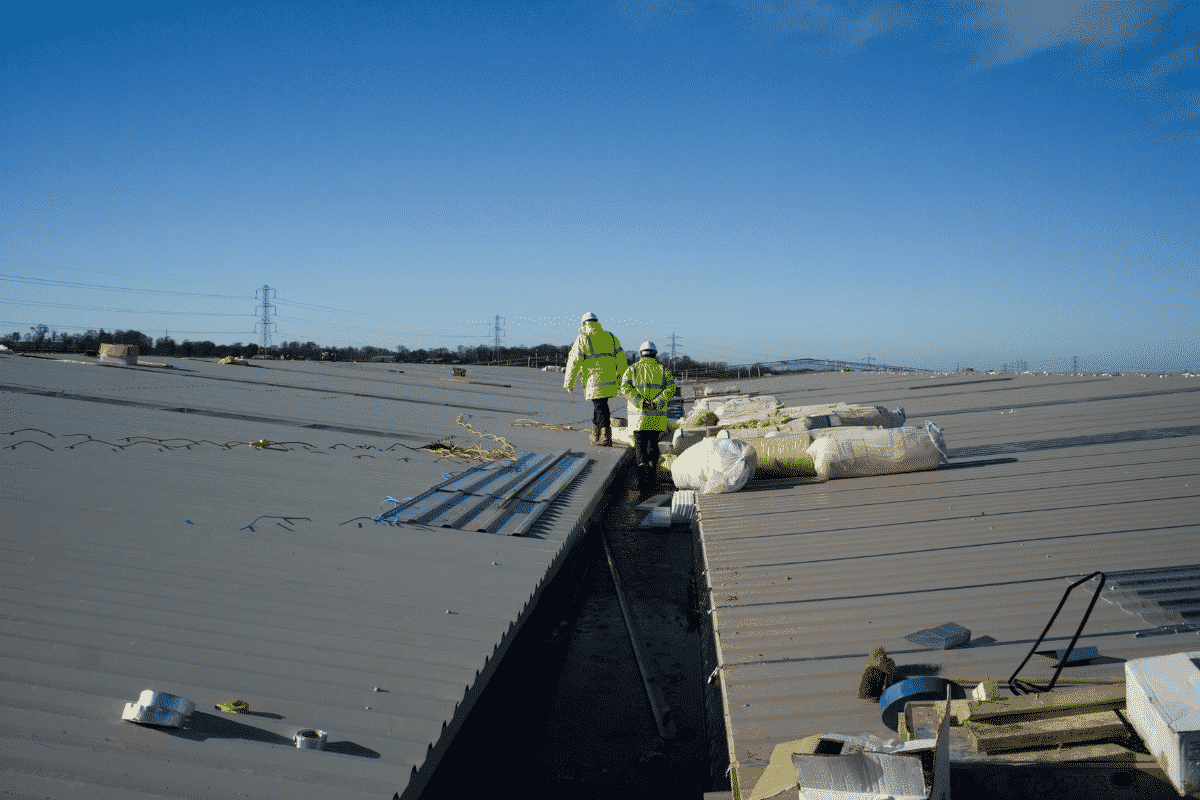
Most roof failures here are preventable, so a maintenance plan keeps eyes on the perimeter edge and corner uplift zones and logs every visit with dates and photographs.
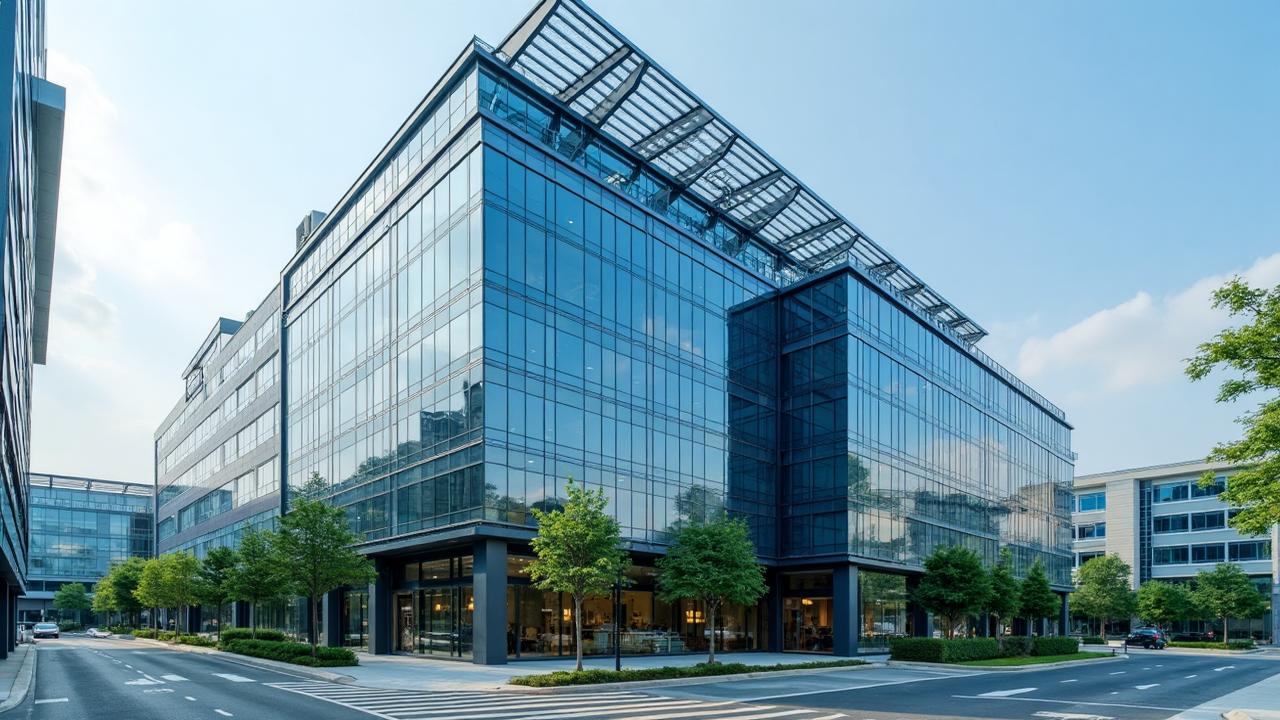
Before any budget is set, an inspection walks the parapet caps and through-wall flashings and grades each finding as urgent or deferrable so owners spend on what matters.
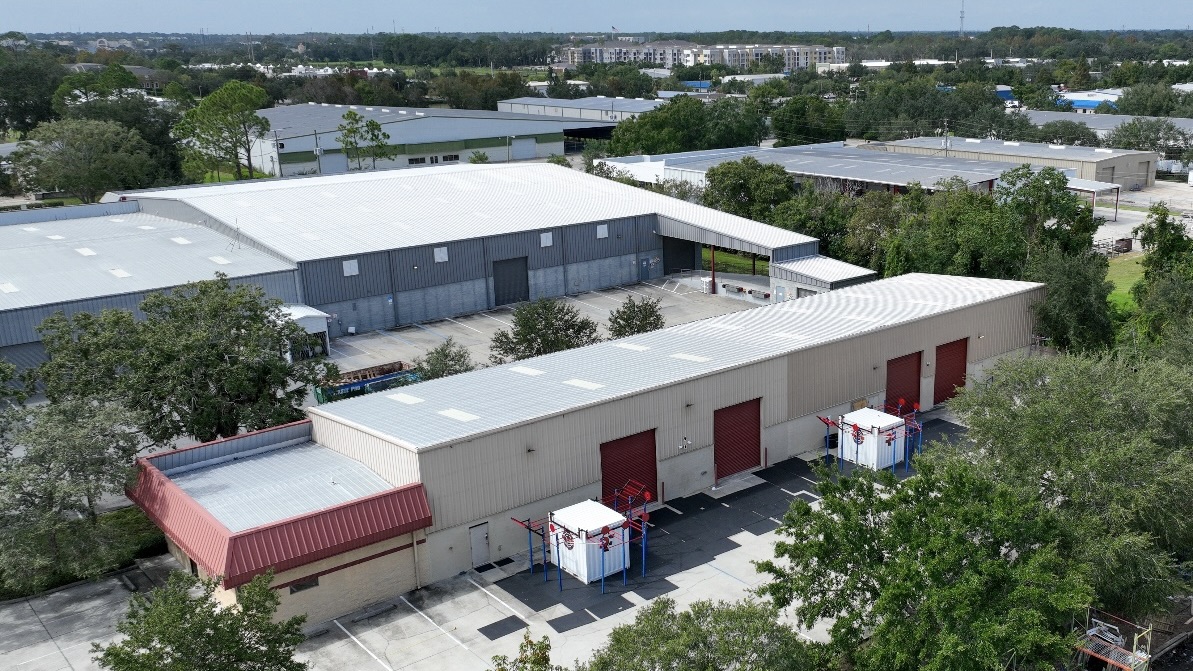
A drone survey maps every blister, open seam, and ponding ring from above and pins each defect to a location, useful on tall downtown decks no one can safely walk in January.
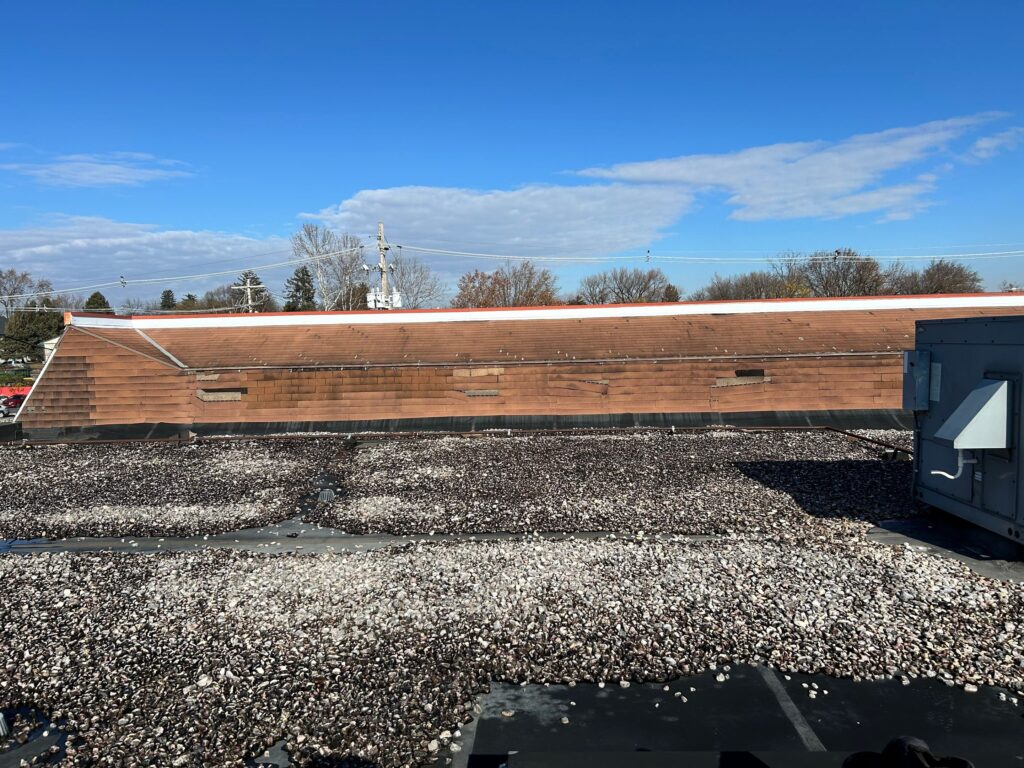
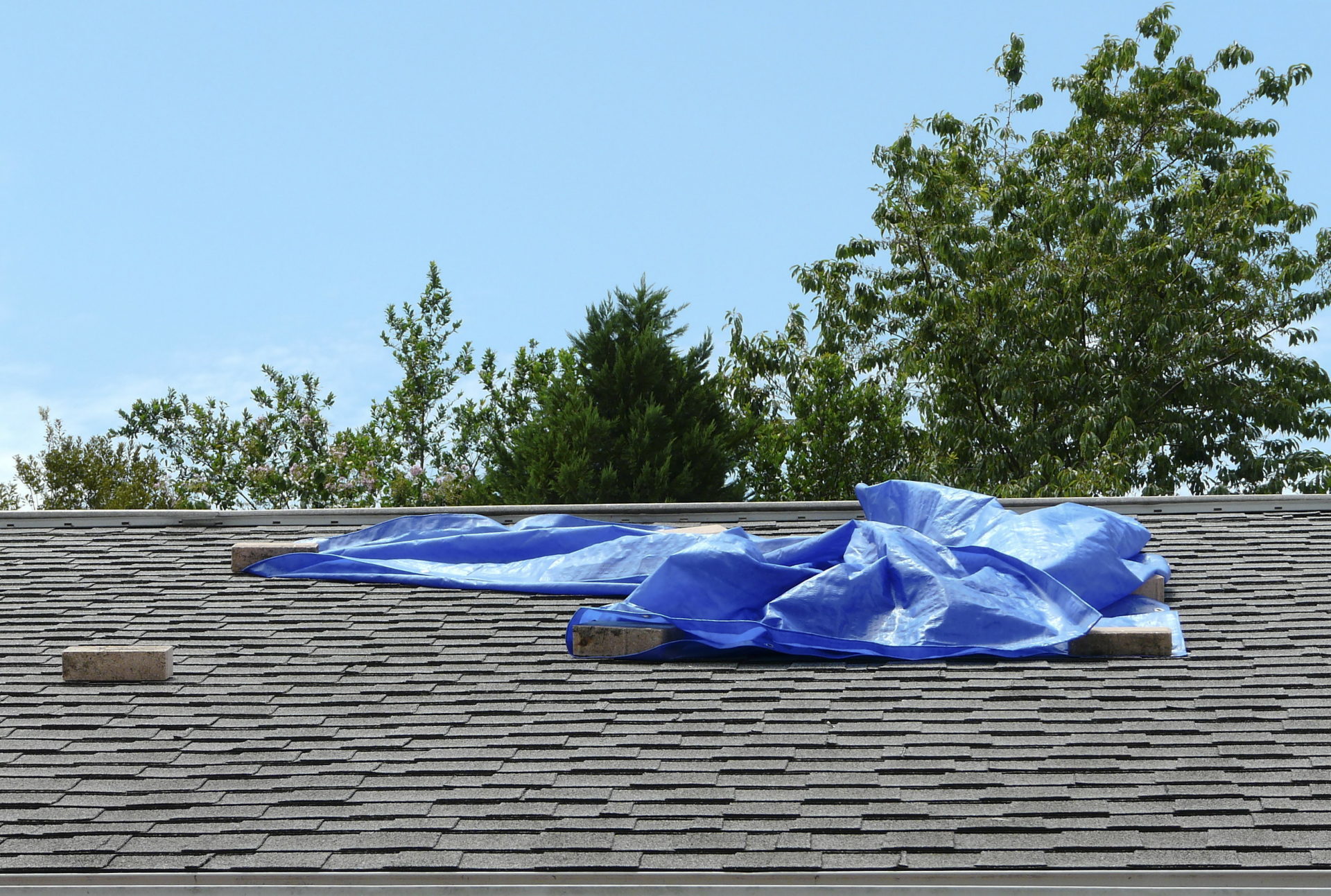
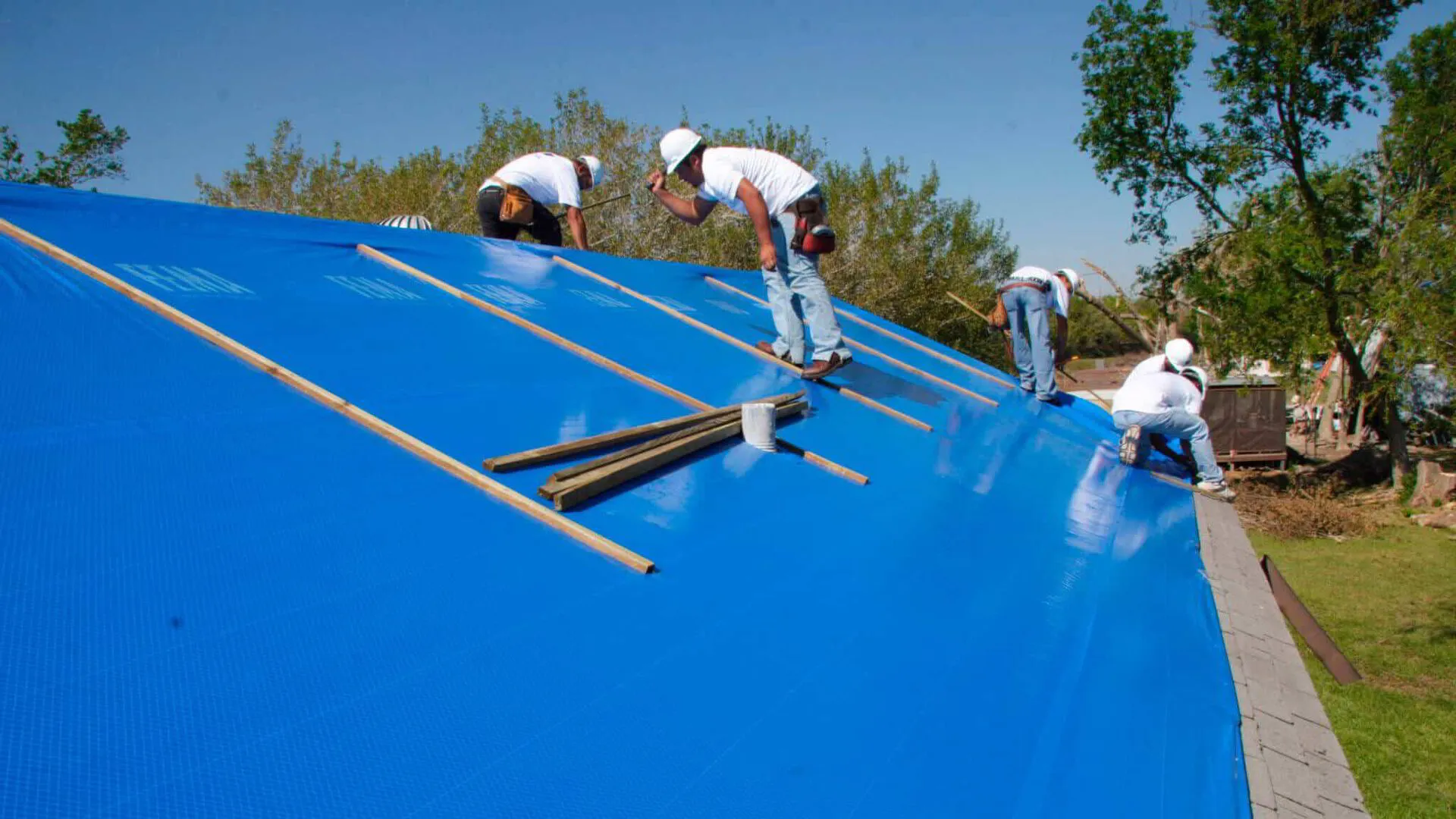
After a storm tears the membrane open, a fast tarp-and-dry-in stops interior damage overnight while we draft a permanent repair for the field seams and termination bars that failed.
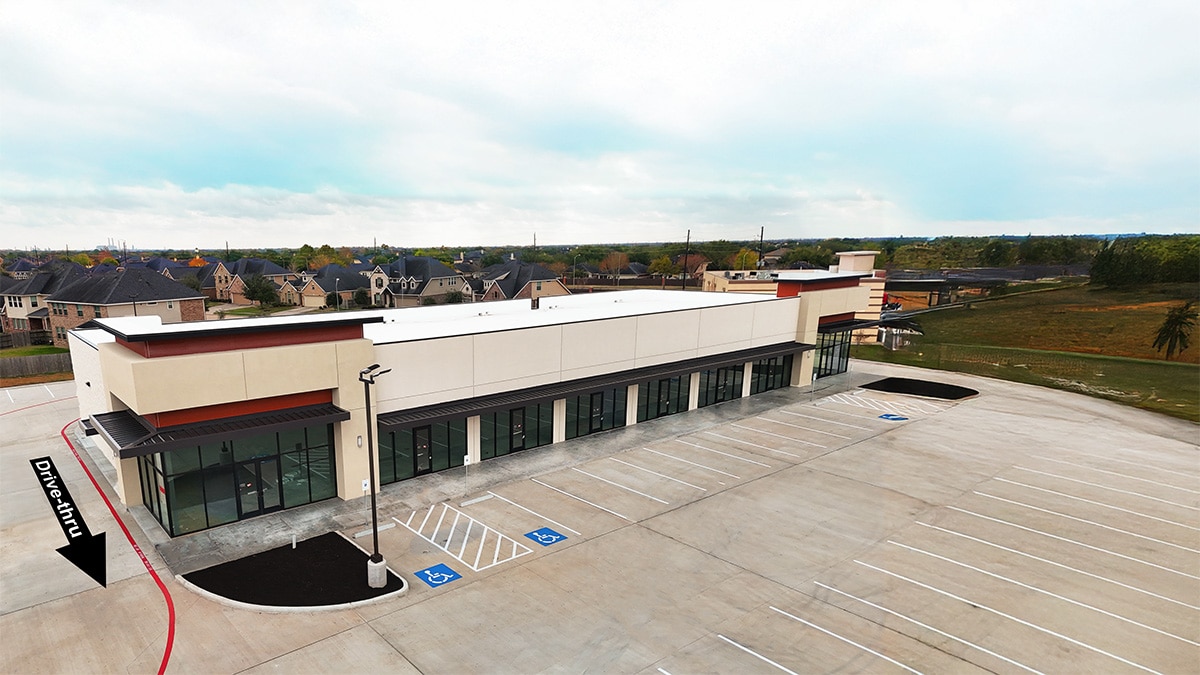
A shopping-center roof has to keep storefronts open, so the scope ties drainage and parapet terminations to a phasing plan that holds through the spring storms rolling off the plains.
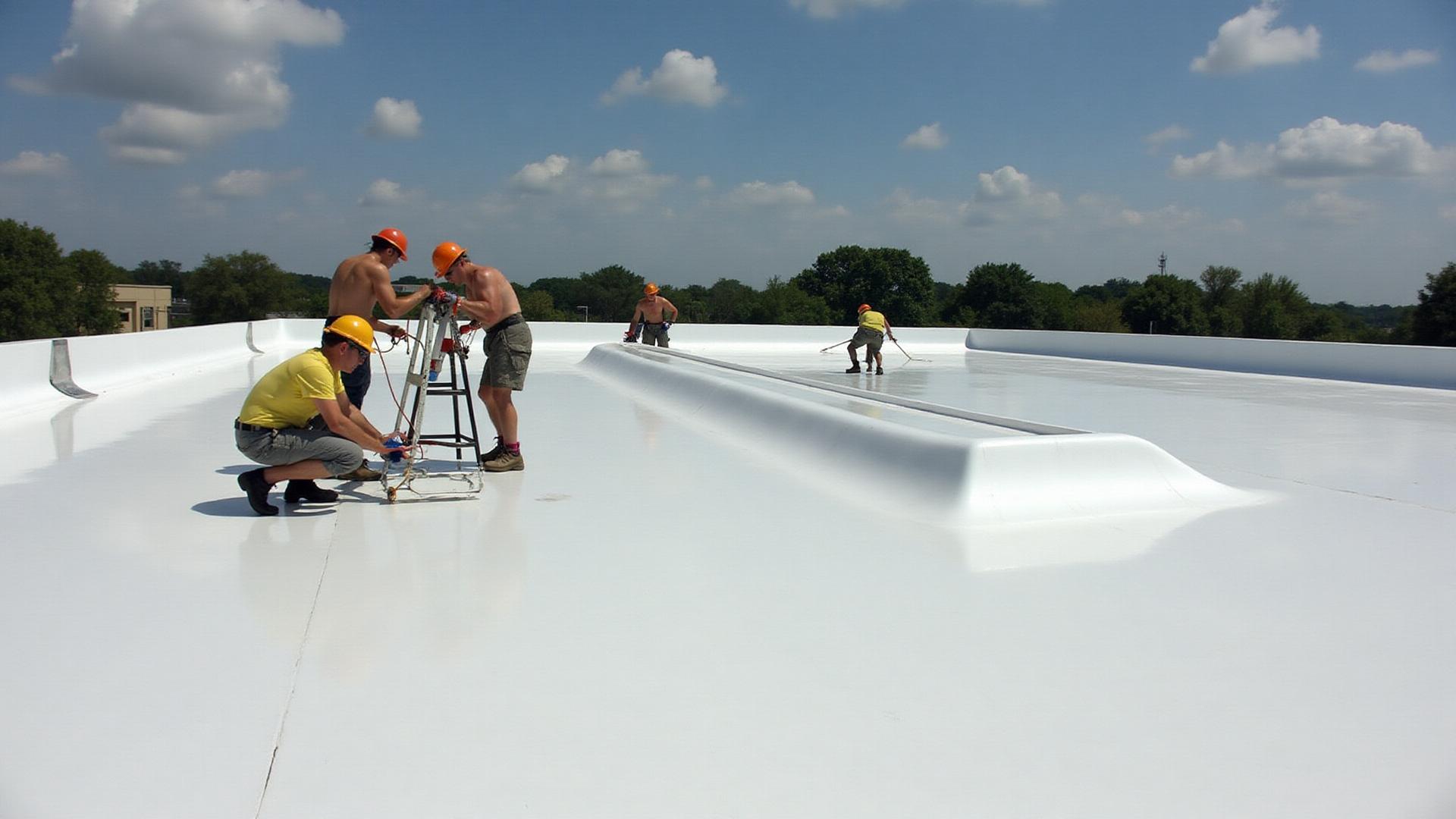
Heat-welded TPO is the workhorse for low-slope Des Moines buildings, its reflective surface and welded seams handling the January-to-July temperature swing when the deck and fastening are right.

Dealership roofs hide a forest of skylights, showroom curbs, and service-bay exhaust, and we flash every one before the next round of Polk County summer hail goes looking for a soft spot.

Retail downstairs and apartments above complicate a mixed-use roof, so we balance insulation moisture and rooftop traffic against the cost of disrupting tenants in the Des Moines core.
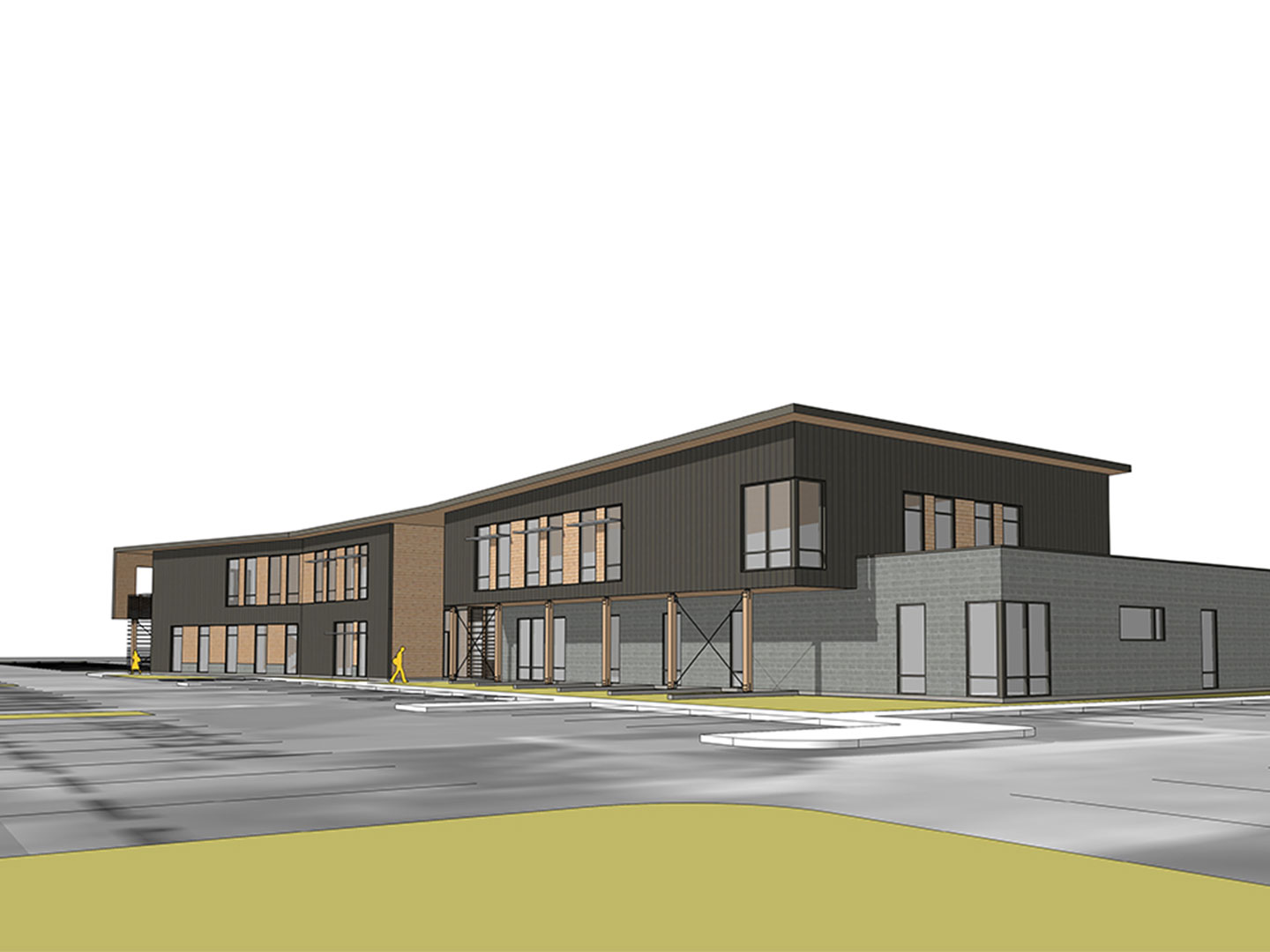
Hospitals run on rooftop air handlers and tight infection-control windows, so clinical-building roof work is staged in short, sealed phases between the storms that follow Iowa summer fronts.
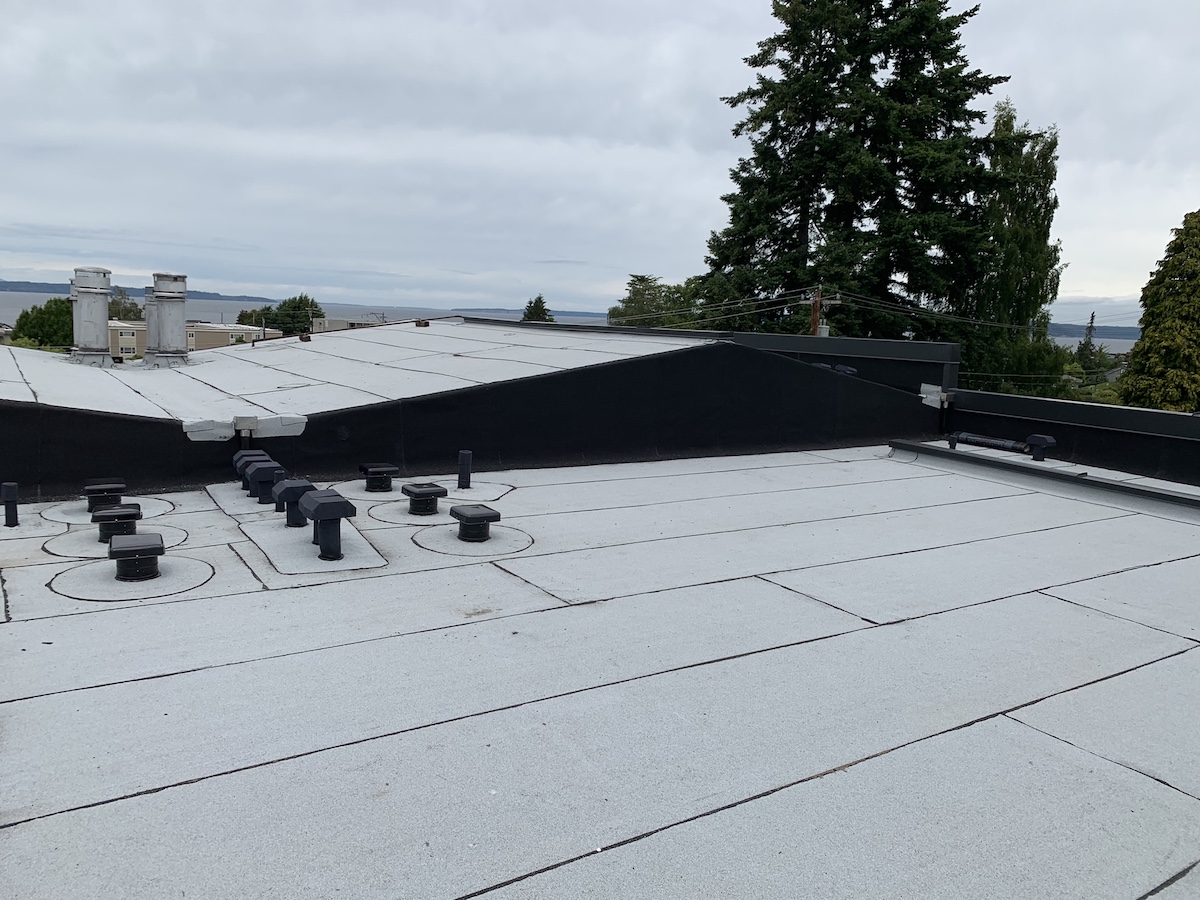
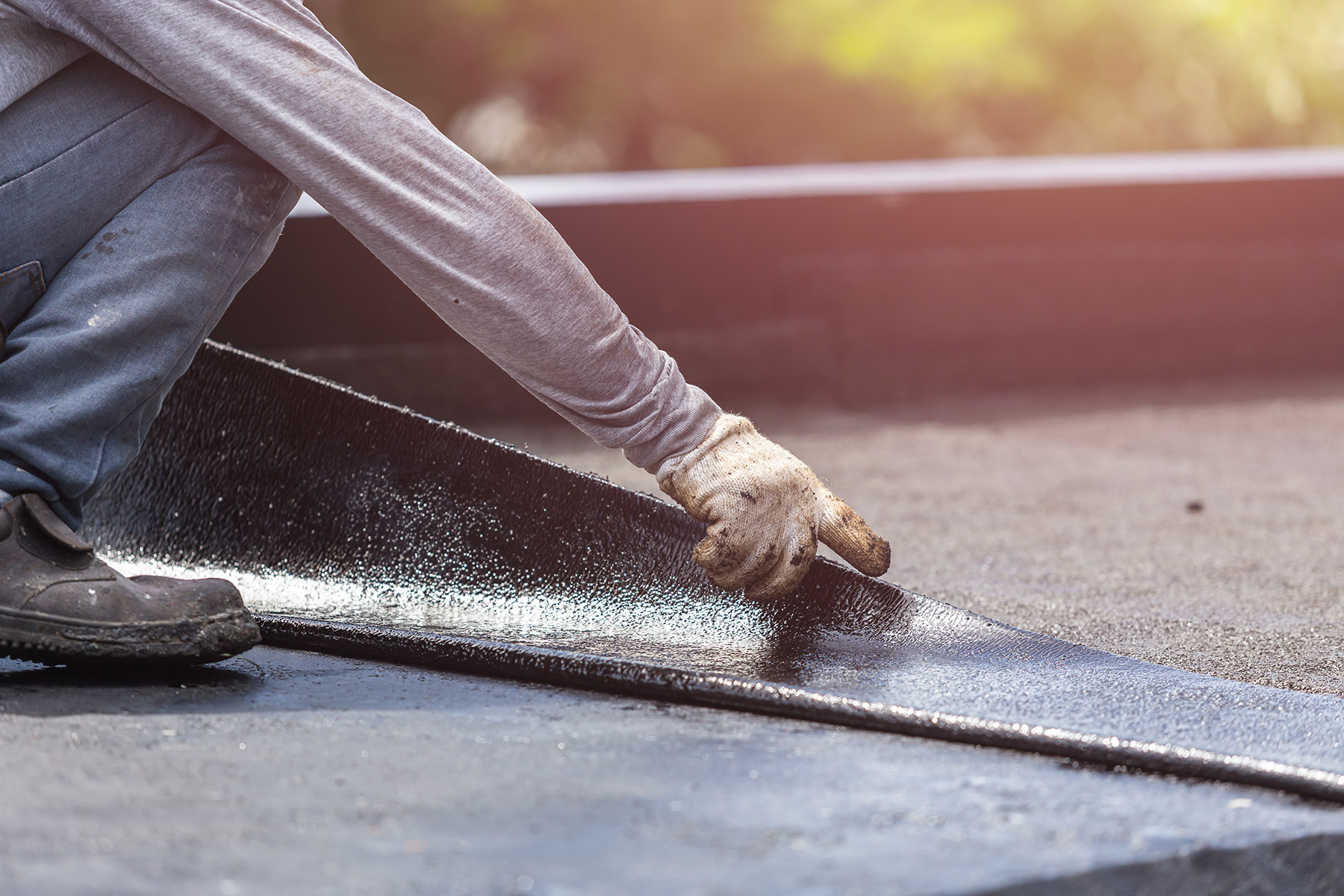
Two-ply modified bitumen gives a tough, redundant membrane for the right Des Moines deck, weighing torch versus cold-applied methods against decades of hail and straight-line wind.
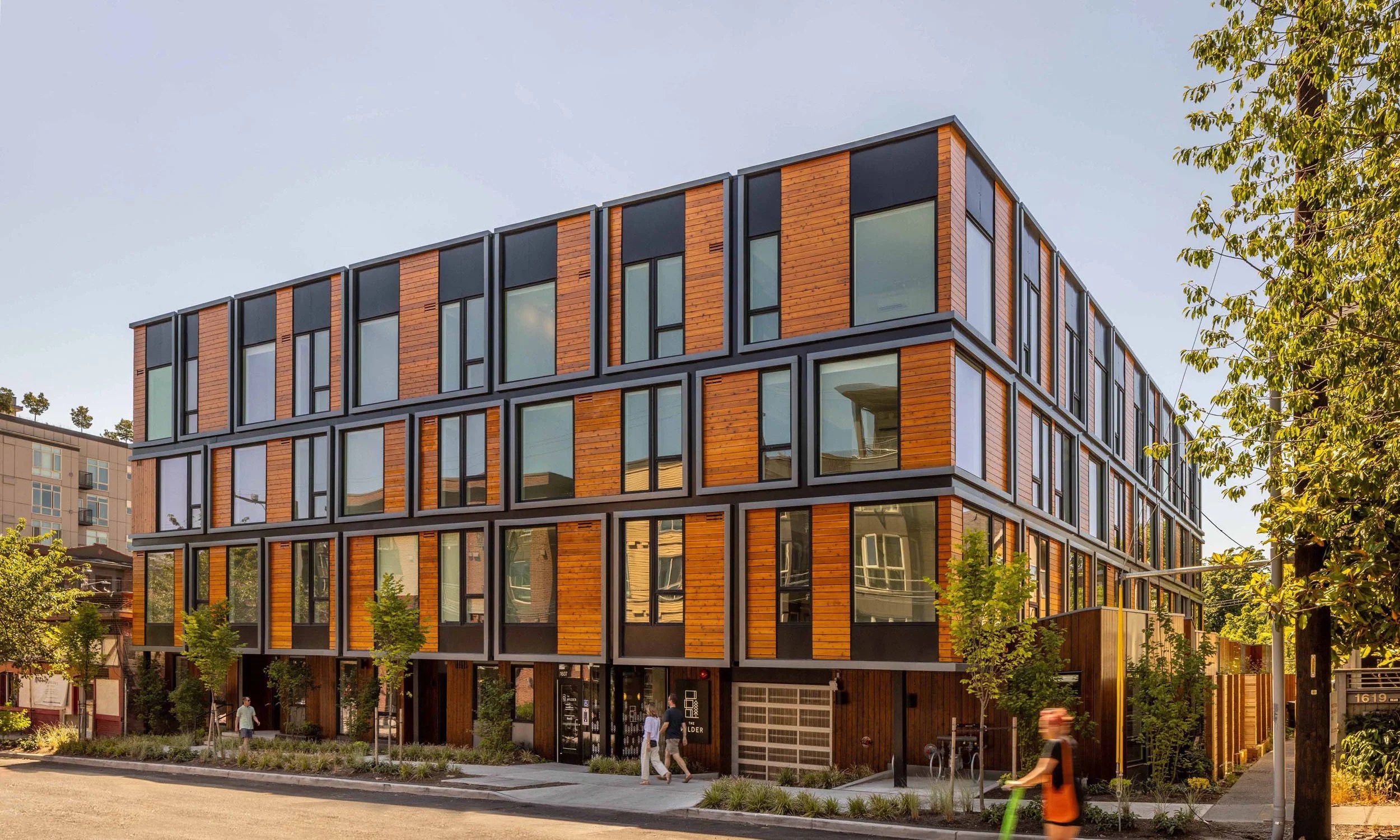
Everything lives under an apartment deck, so multifamily roof work protects the units below while we correct the drainage and field seams that winter snowmelt keeps exposing.
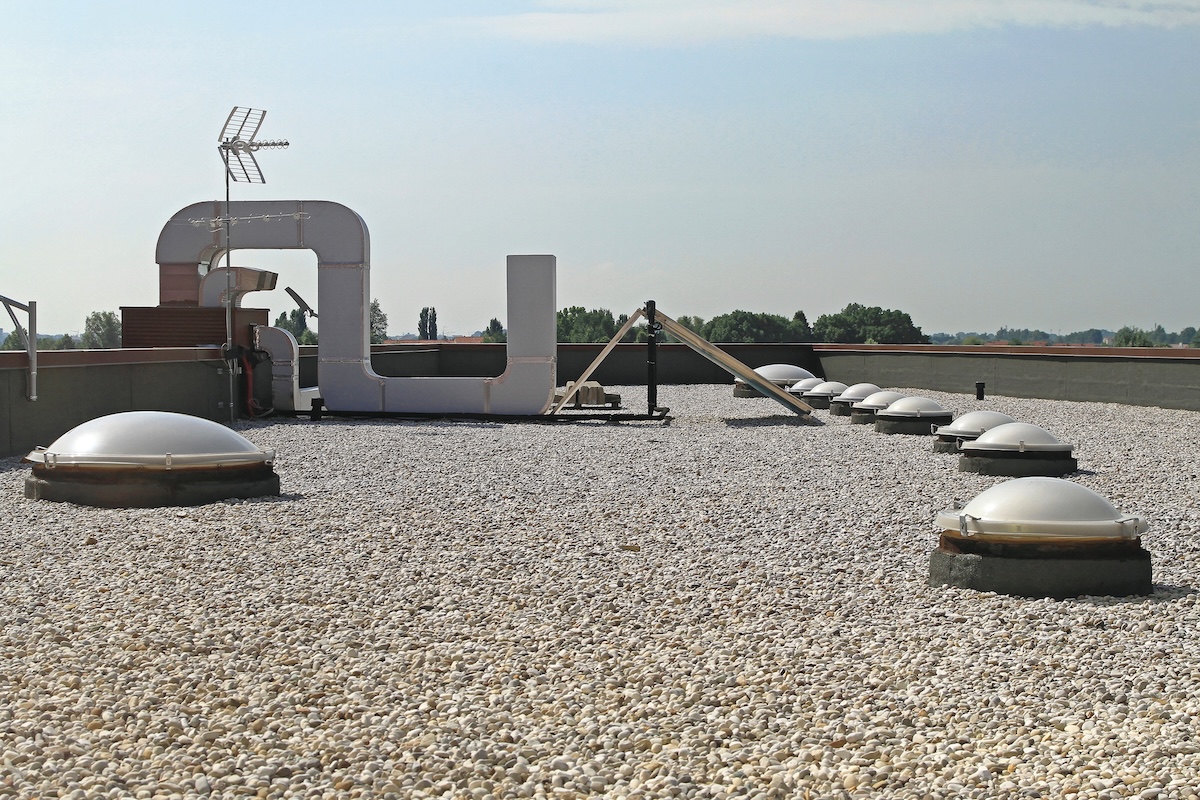
Built-up roofing still earns a place on Central Iowa decks that take abuse, provided the ply count, flood coat, and gravel surfacing are matched to ice ridging along the eaves each winter.
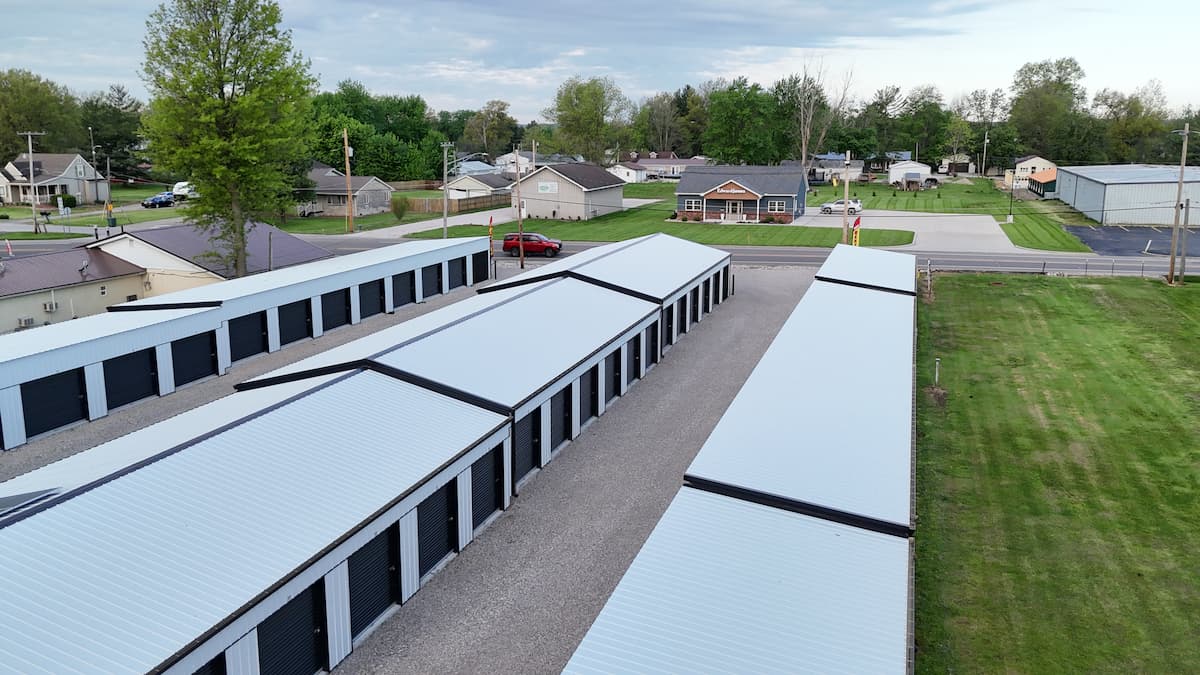
Storage tenants expect their units dry and accessible, so we stage roof work to keep drive aisles open while sealing the long runs of seam that ice ridging tends to find.
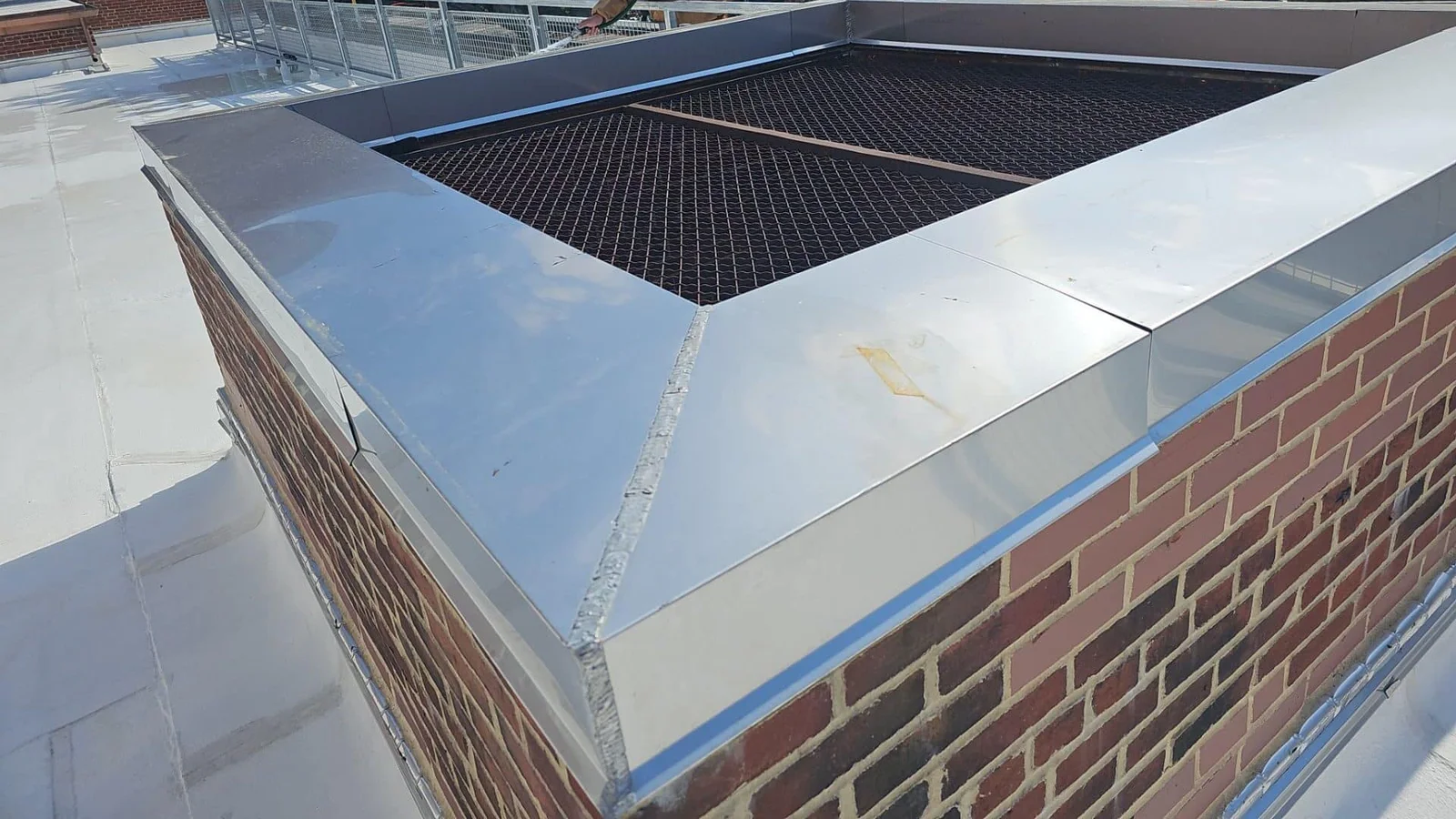
Wind uplift almost always starts at the perimeter, so we rebuild edge metal, coping caps, and gutter lines to stay anchored through the straight-line storms that sweep the prairie.
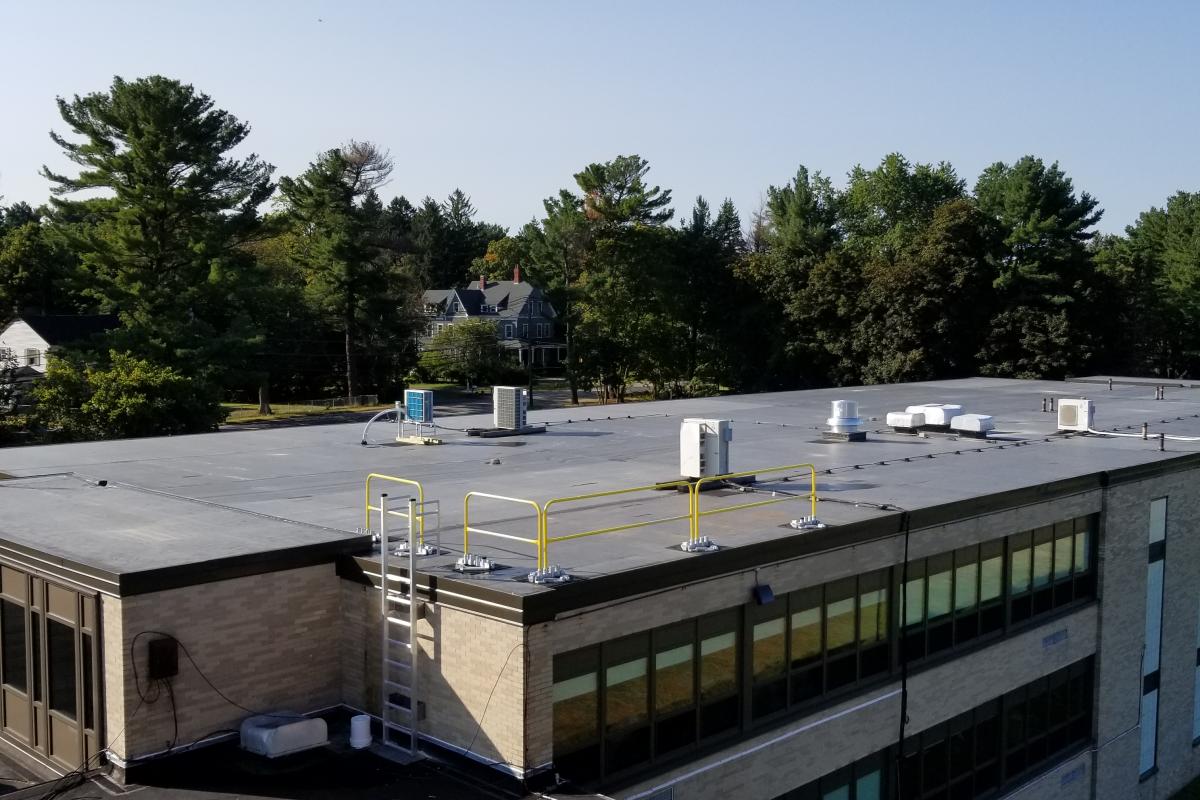
Public buildings have to stay open, so roof work over courthouses and civic offices is sequenced for minimal disruption and built to ride out sudden freeze-to-thaw swings.
Plenty of downtown Des Moines facades carry architectural sheet metal, and the panels stay tight only when the cleats, hems, and underlying cover board are detailed for hard Iowa freeze-thaw movement.
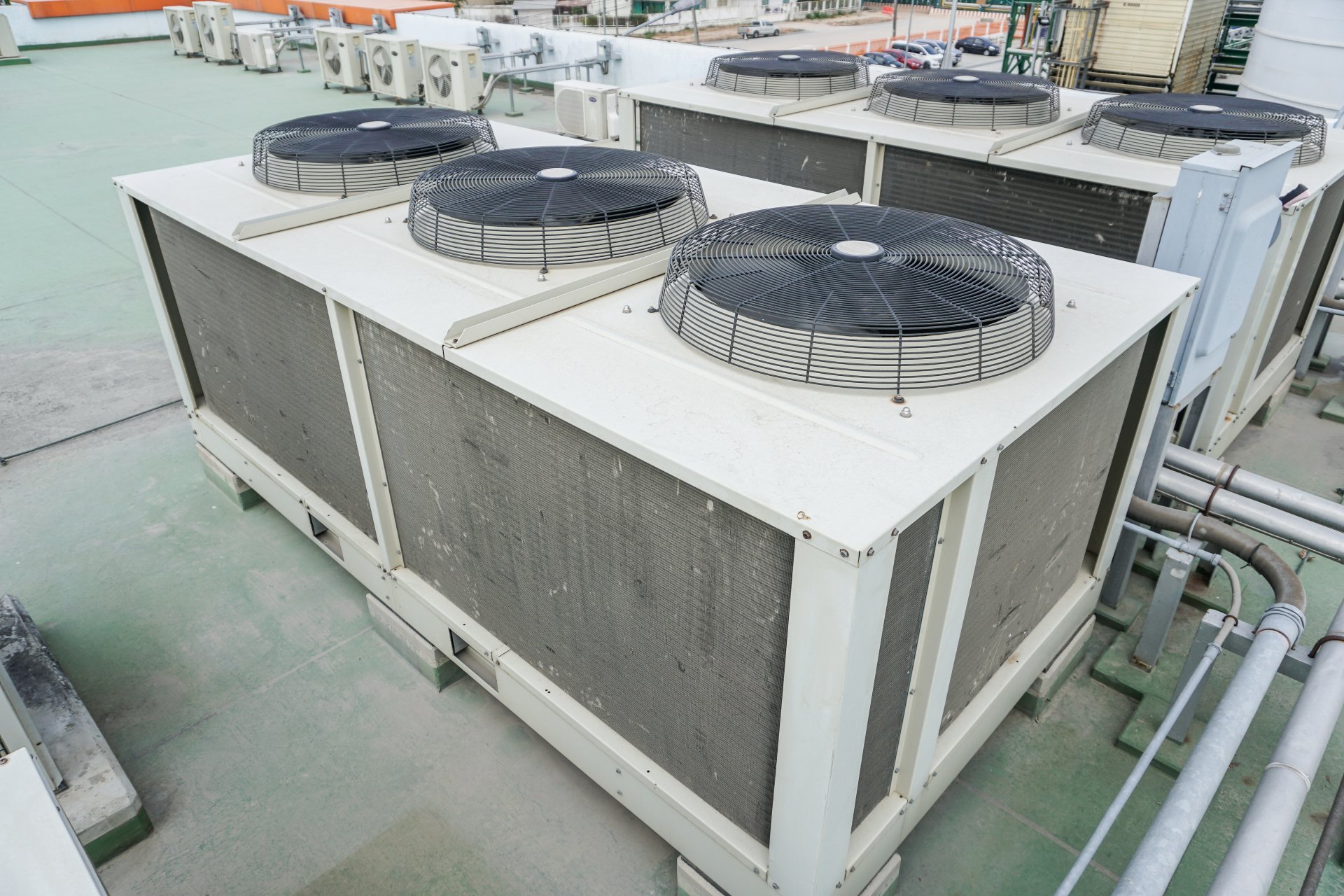
Kitchen exhaust and grease shorten the life of a restaurant roof, so we chase each leak past the deck to the curbs and flashings that wind-driven rain pried open around the units.
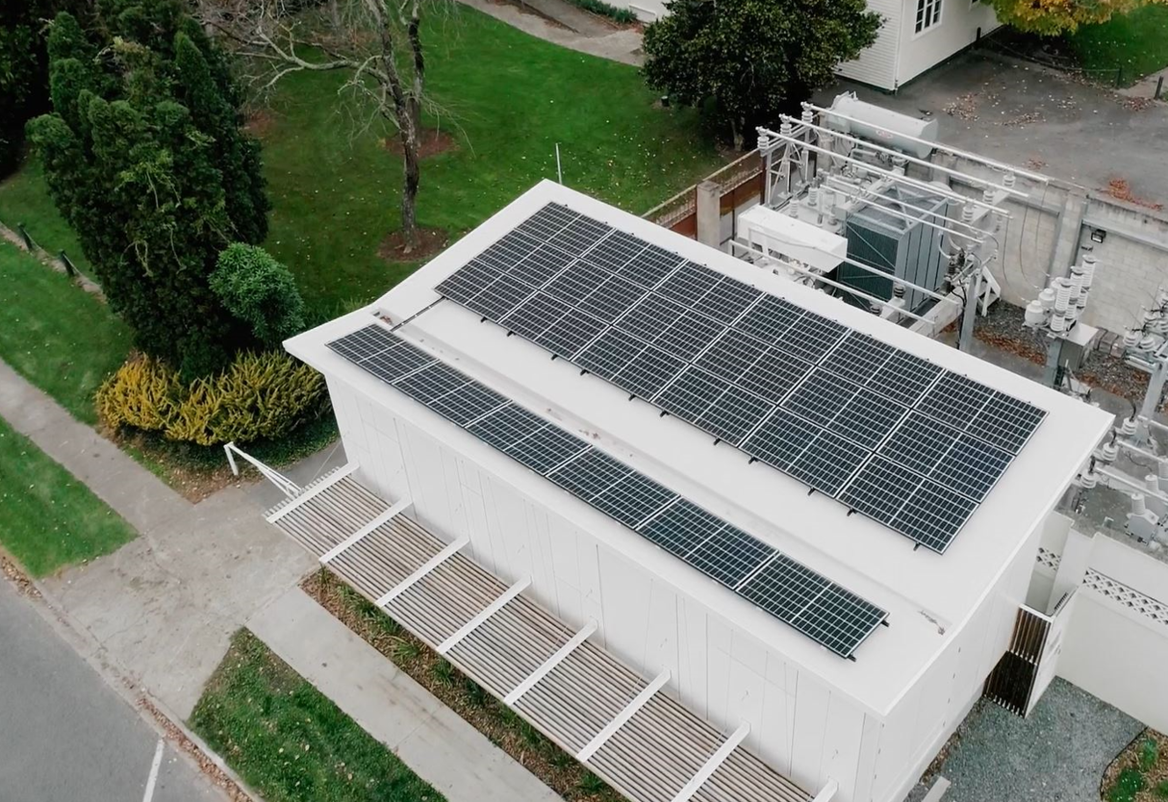
Mounting an array shouldn't void a warranty, so solar integration coordinates the racking attachments and membrane details and leaves the owner a record before hail season returns.
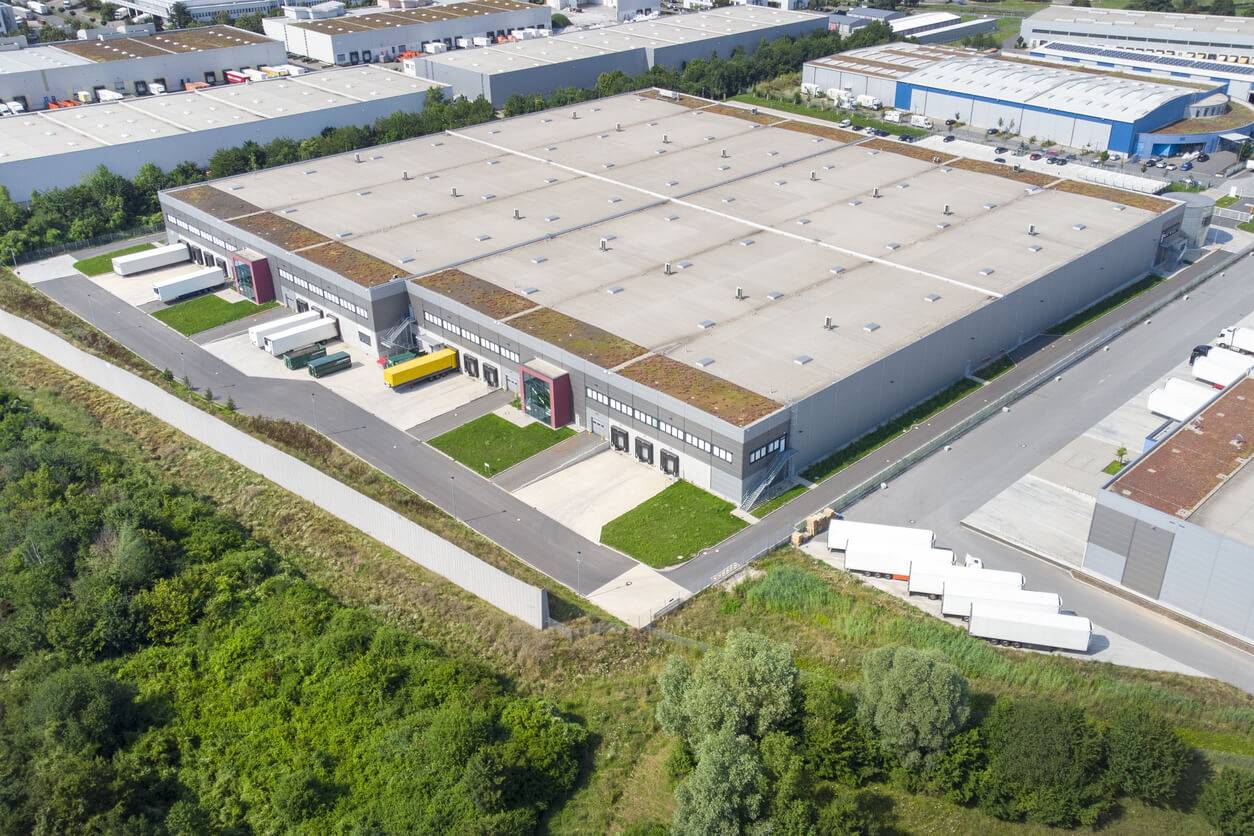
Production never stops on an industrial deck, so flashings and drainage corrections get scheduled between shifts, with crane bays and exhaust stacks worked around rather than shut down.
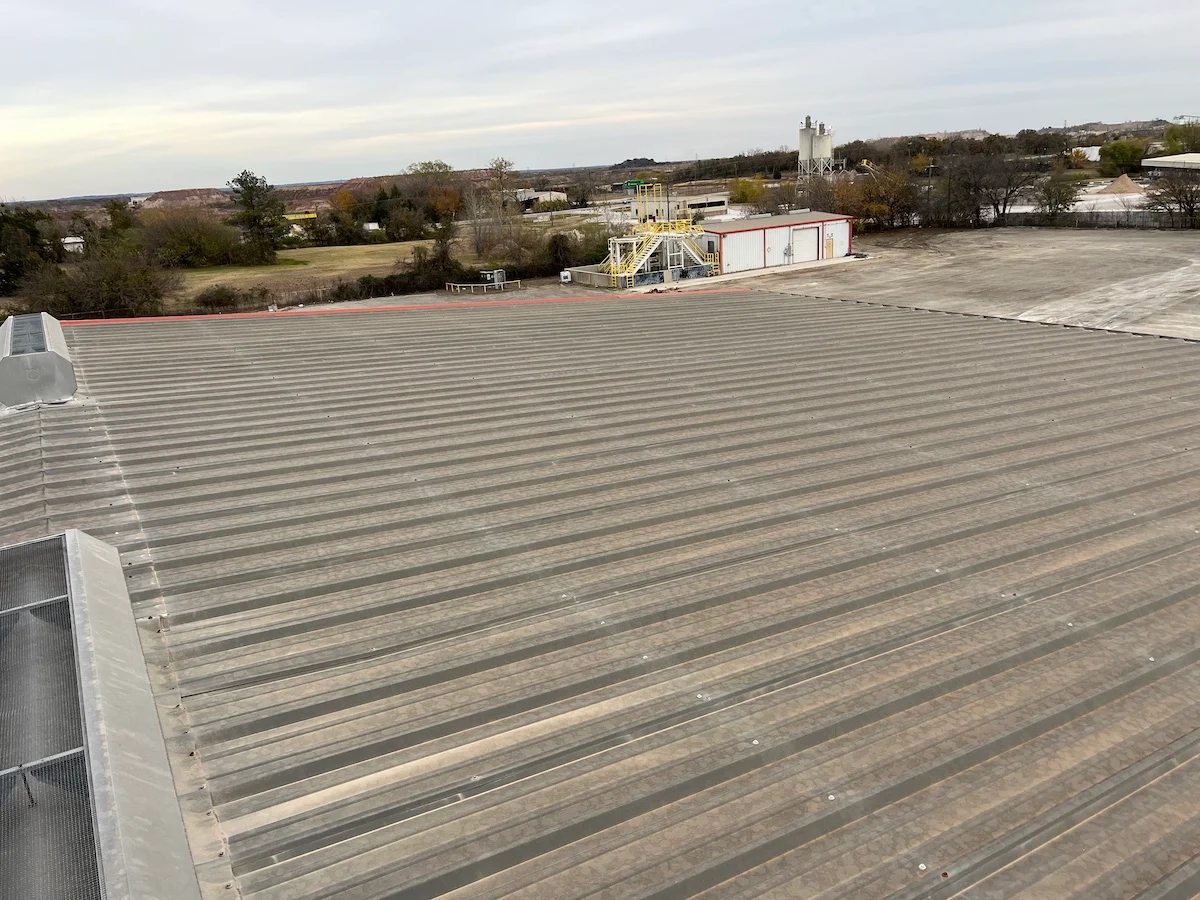
Where the structure supports it, an exposed-fastener R-panel roof gives a Central Iowa shop or barn a long, economical service life against the wind-driven rain that hammers open terrain.
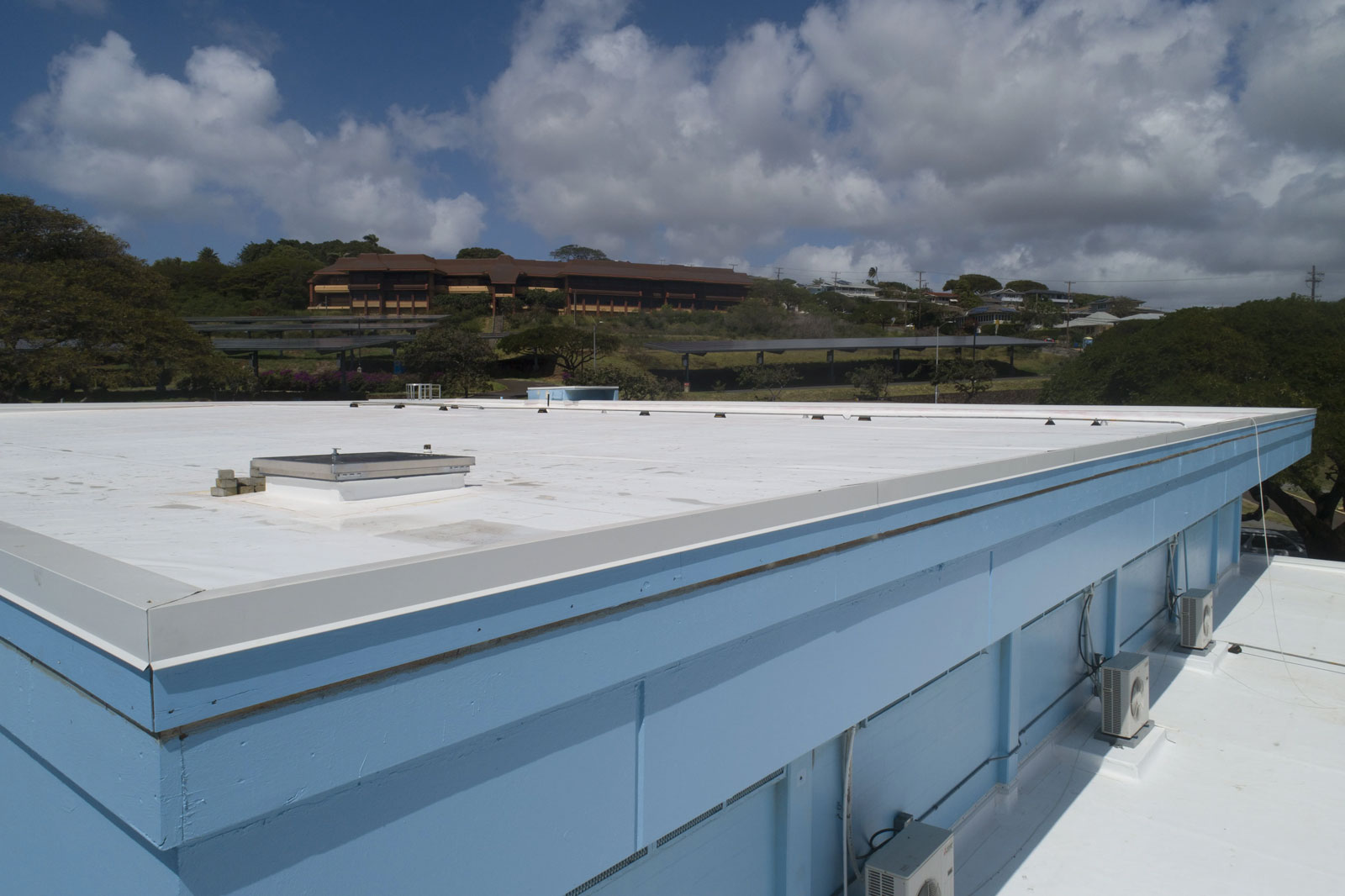
Hot-air-welded PVC resists grease and ponding, which makes it a strong pick for Polk County restaurants and plants once the fastening rows, plates, and seam welds are specified for local uplift.
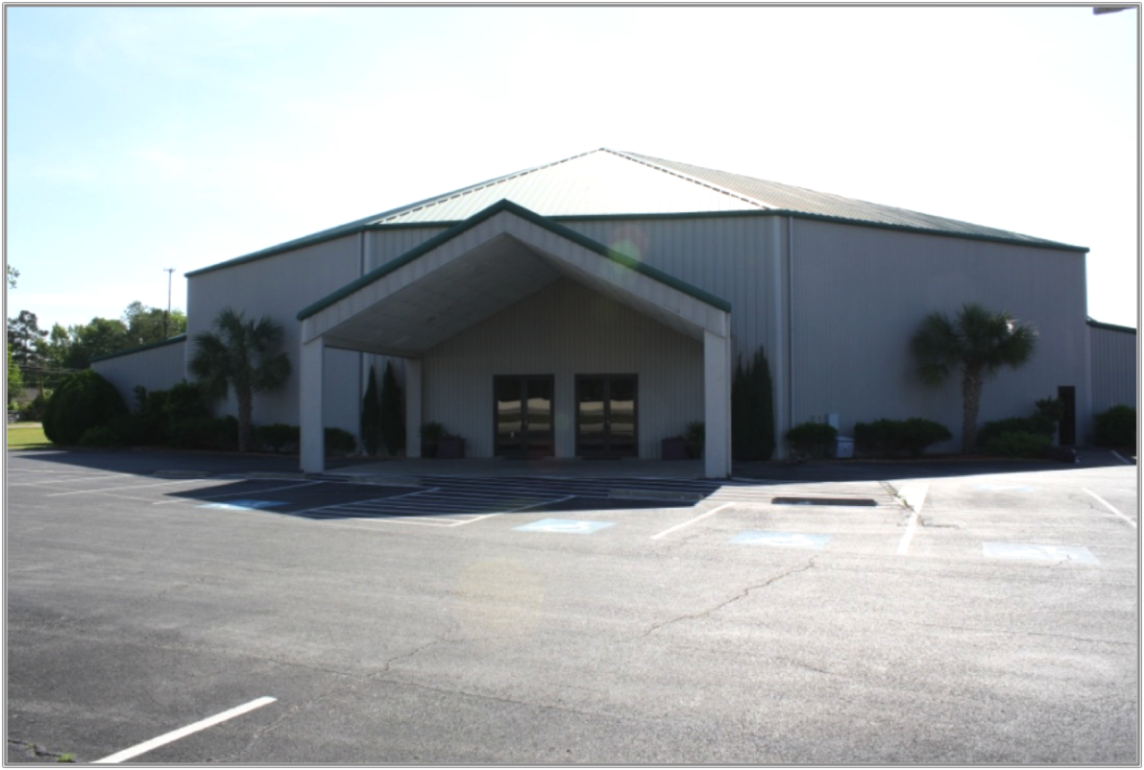
A sanctuary can rarely go dark for roof work, so worship-building scopes get phased around service schedules while steep accent slopes and bell-tower transitions are sealed against derecho-force gusts.
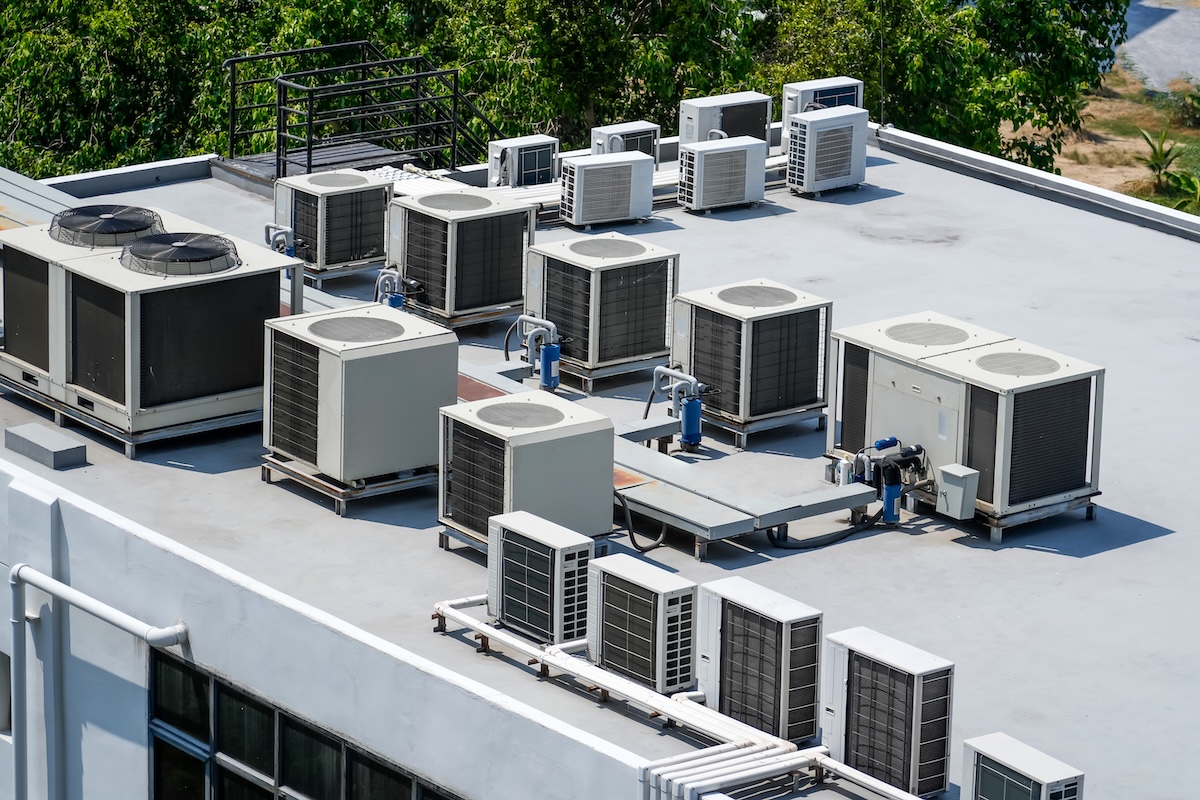
On an office deck, the hard part is telling cosmetic scuffing from a real puncture after a gusty spring front, then fixing only what is genuinely letting water past the membrane.
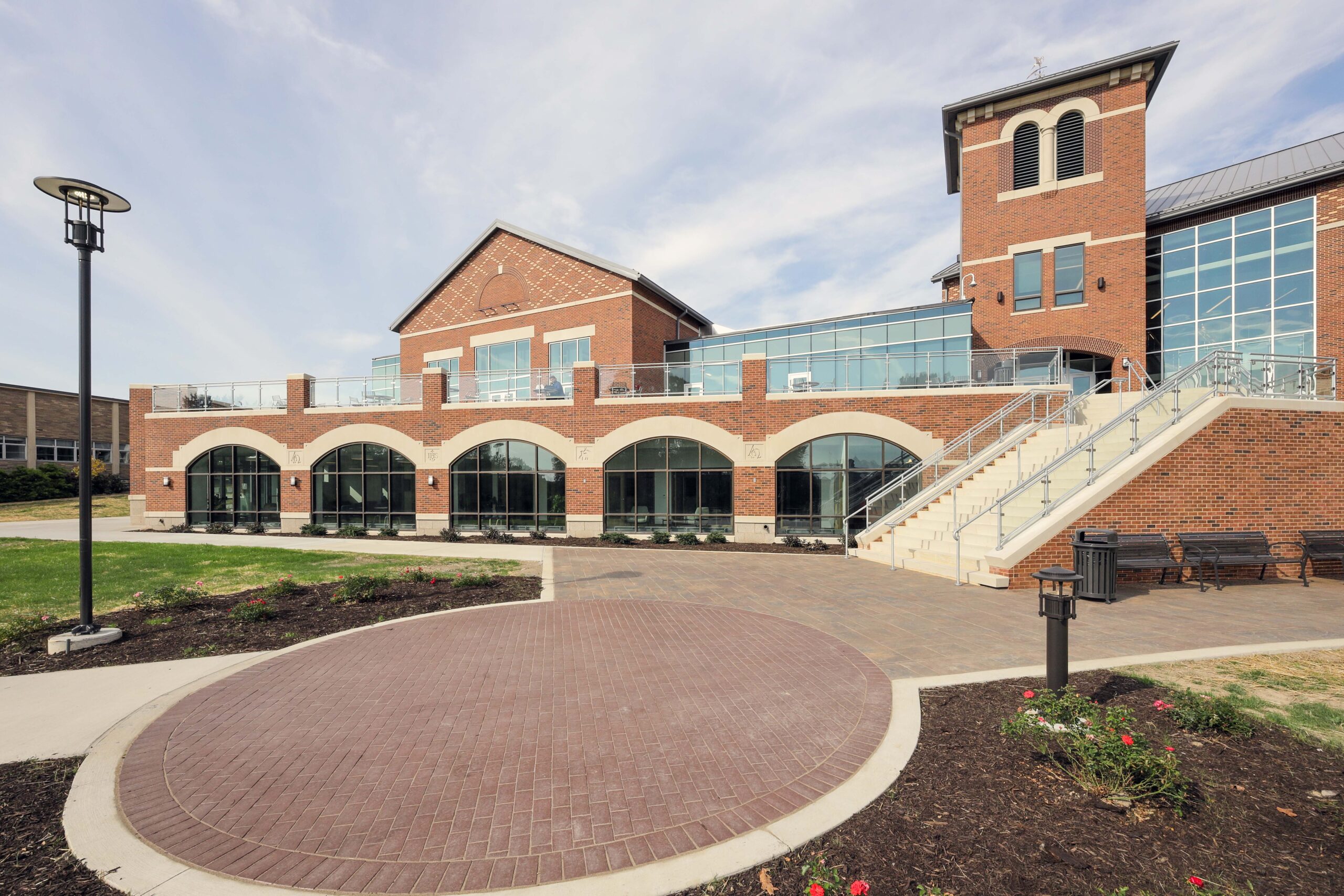
Campus budgets run lean, so university roof work protects the labs and lecture halls below and prioritizes the drainage and flashing a leak would shut down first.
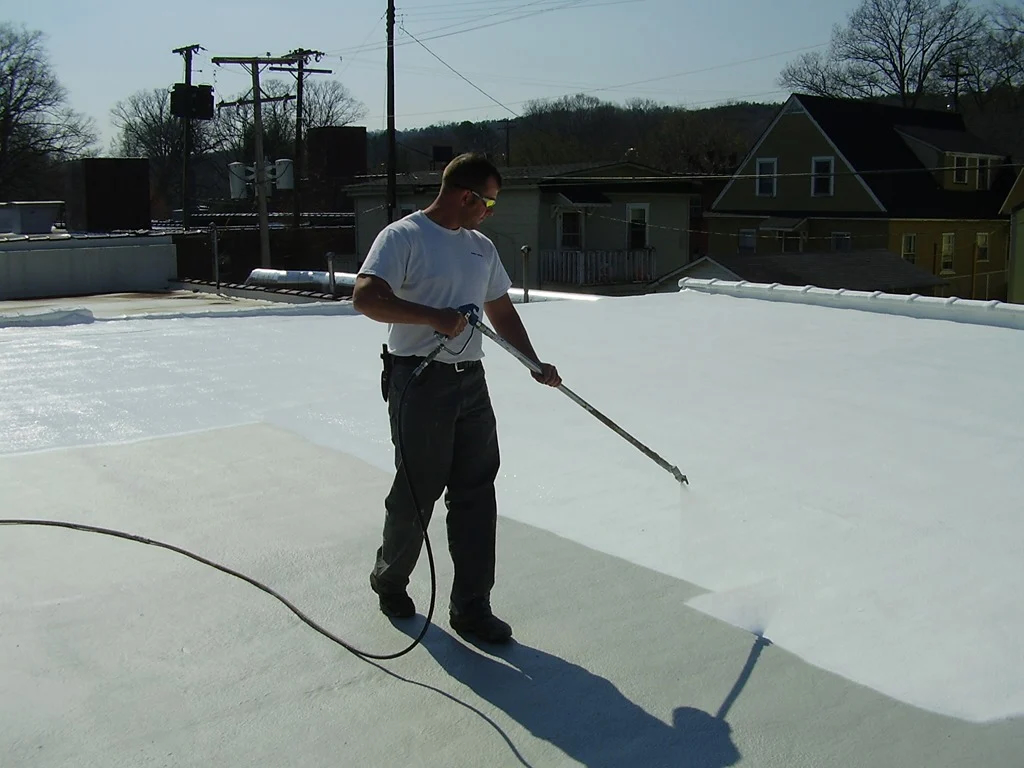
Sprayed polyurethane foam seals and insulates a low-slope deck in one pass, a fit for older Des Moines buildings where eliminating seams matters more than anything against blowing snow.
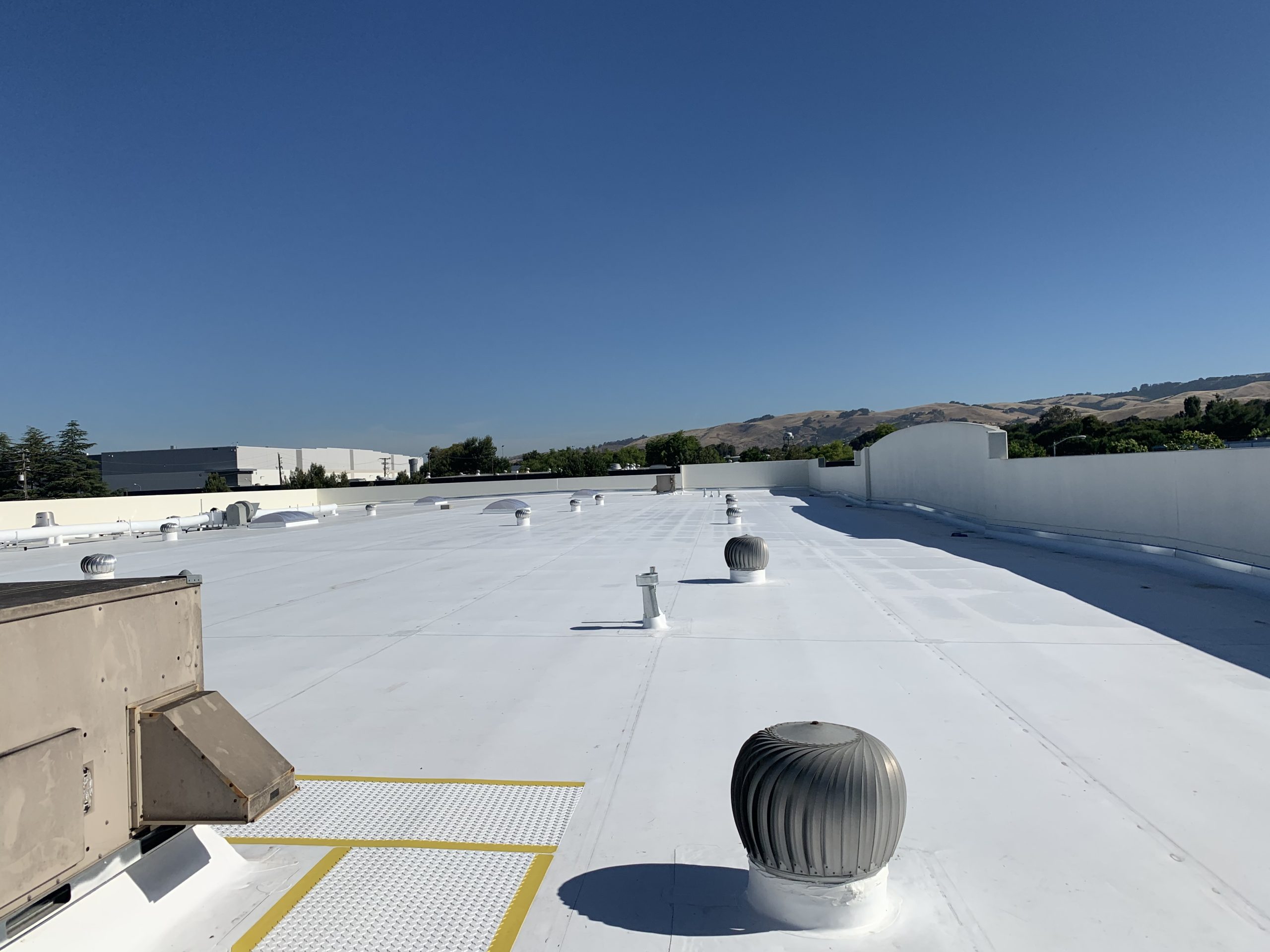
KEE single-ply brings chemical resistance and weldability that suit certain Des Moines plants, and it pays off where rooftop discharge and ponding around drains would punish a lesser membrane.

With guest rooms occupied below, hospitality roofing sequences parapet caps and through-wall flashings to keep noise down while standing up to the snow loads and ice dams of a Des Moines winter.
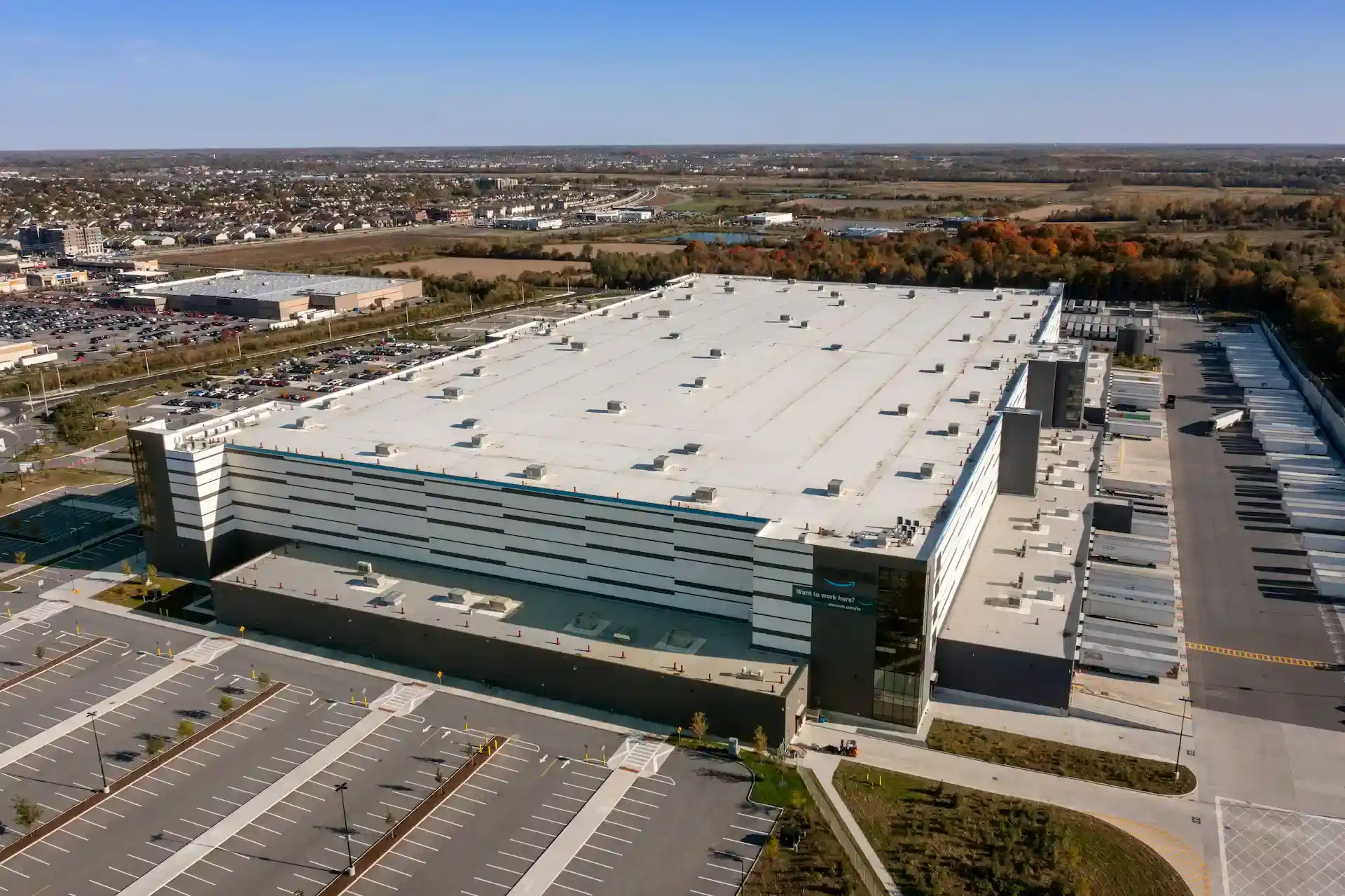
A distribution roof starts with how the floor below is used, then matches membrane and insulation to the deep cold and rooftop snow that test acres of Des Moines decking.
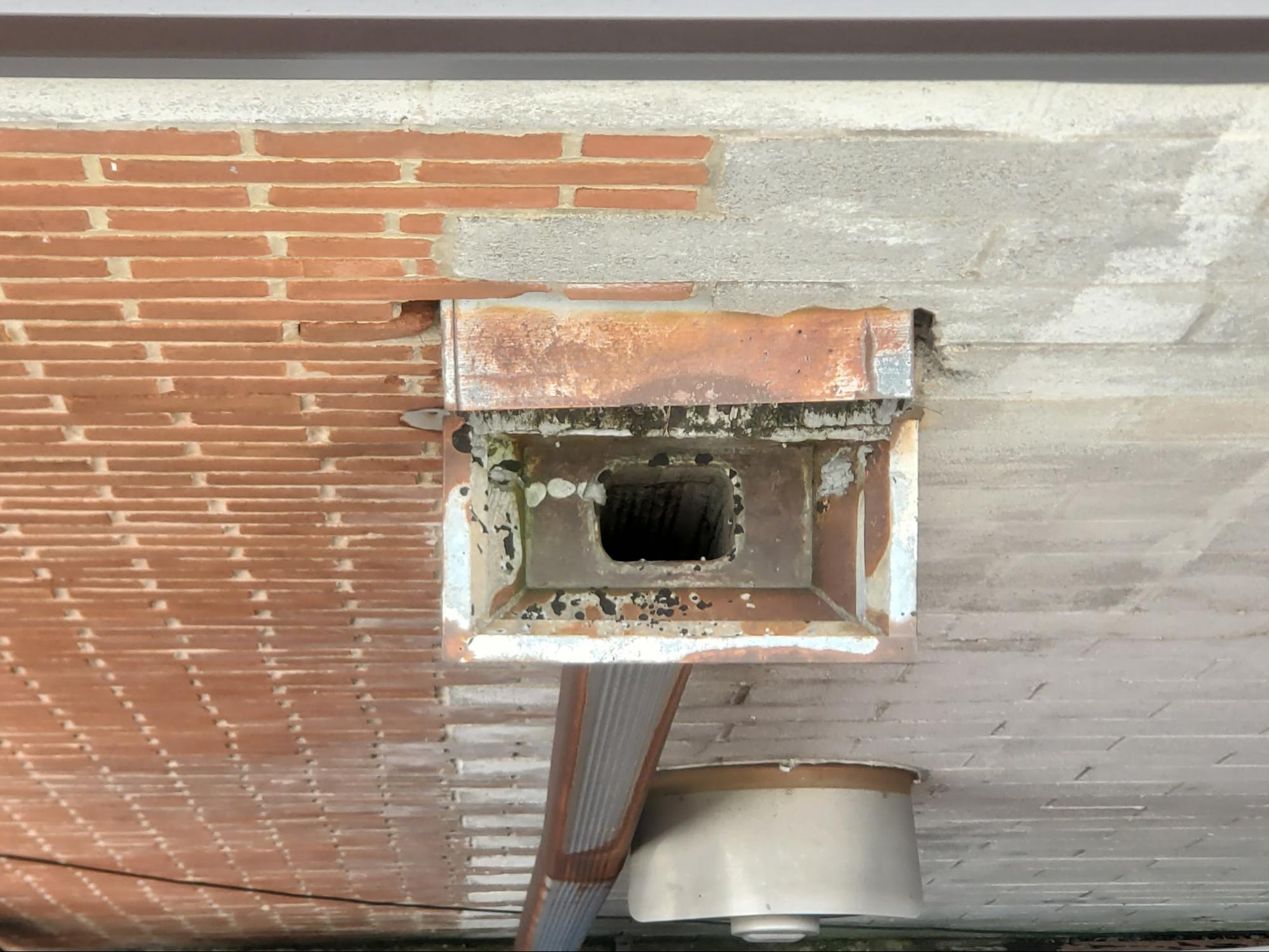
Flat Des Moines decks live or die by drainage, so we clear and rebuild drains, scuppers, and overflow paths to move the runoff that spring storms dump in a hurry.
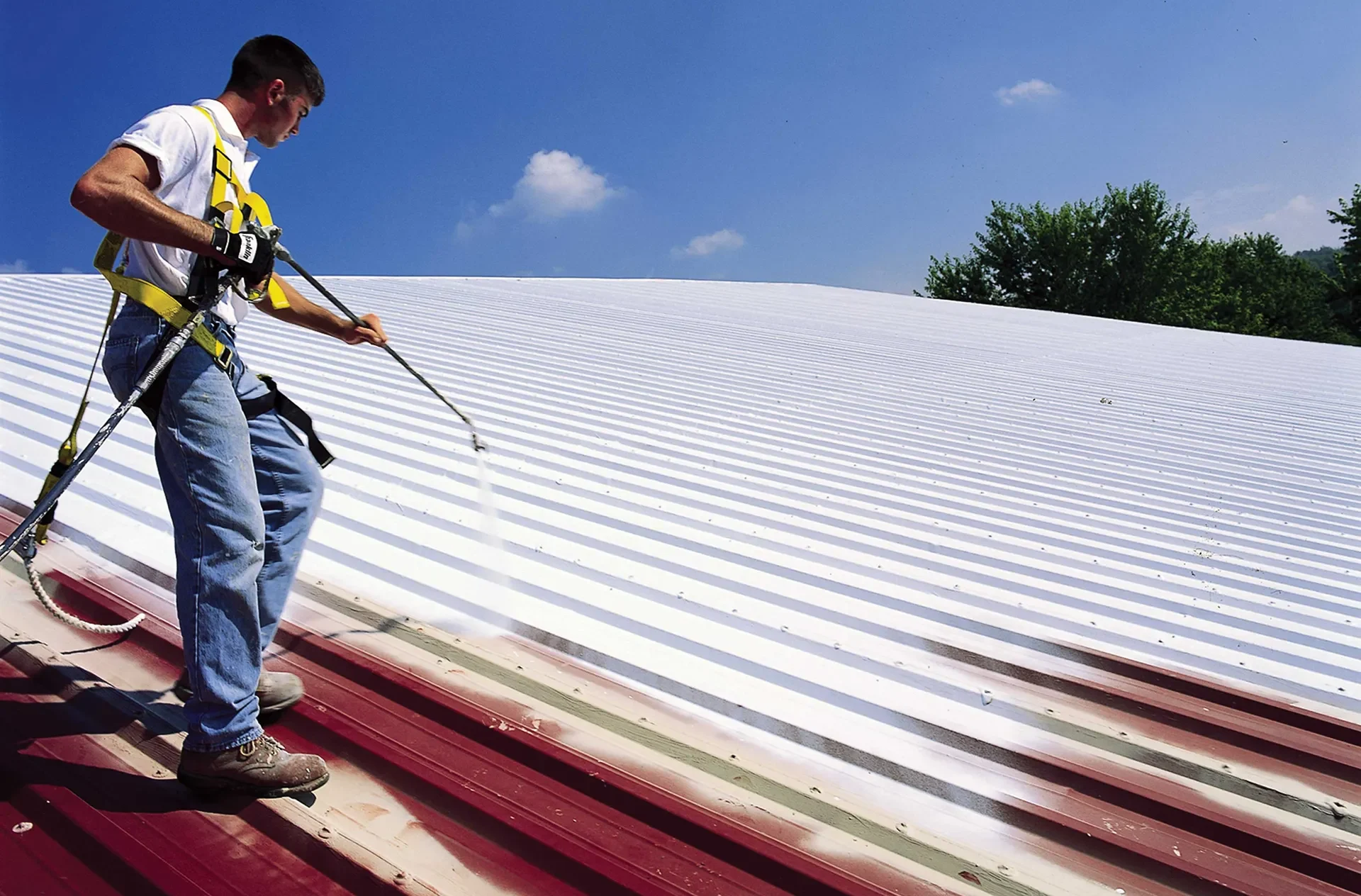
A clean claim depends on the paperwork, so we photograph the insulation, cover board, and attachment pattern and write the condition report an insurer needs before the next front rolls in.
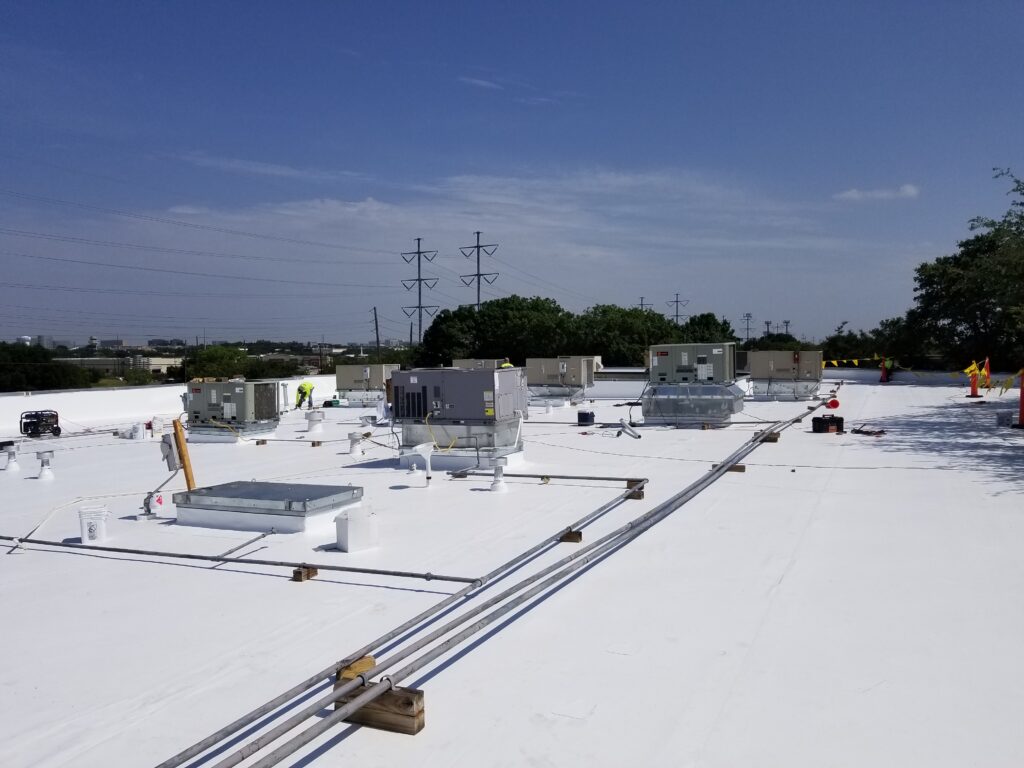
Black or ballasted EPDM remains a sensible call for many Des Moines warehouses, holding up to wide January-to-July temperature swings when the seams and T-joints are taped and rolled correctly.
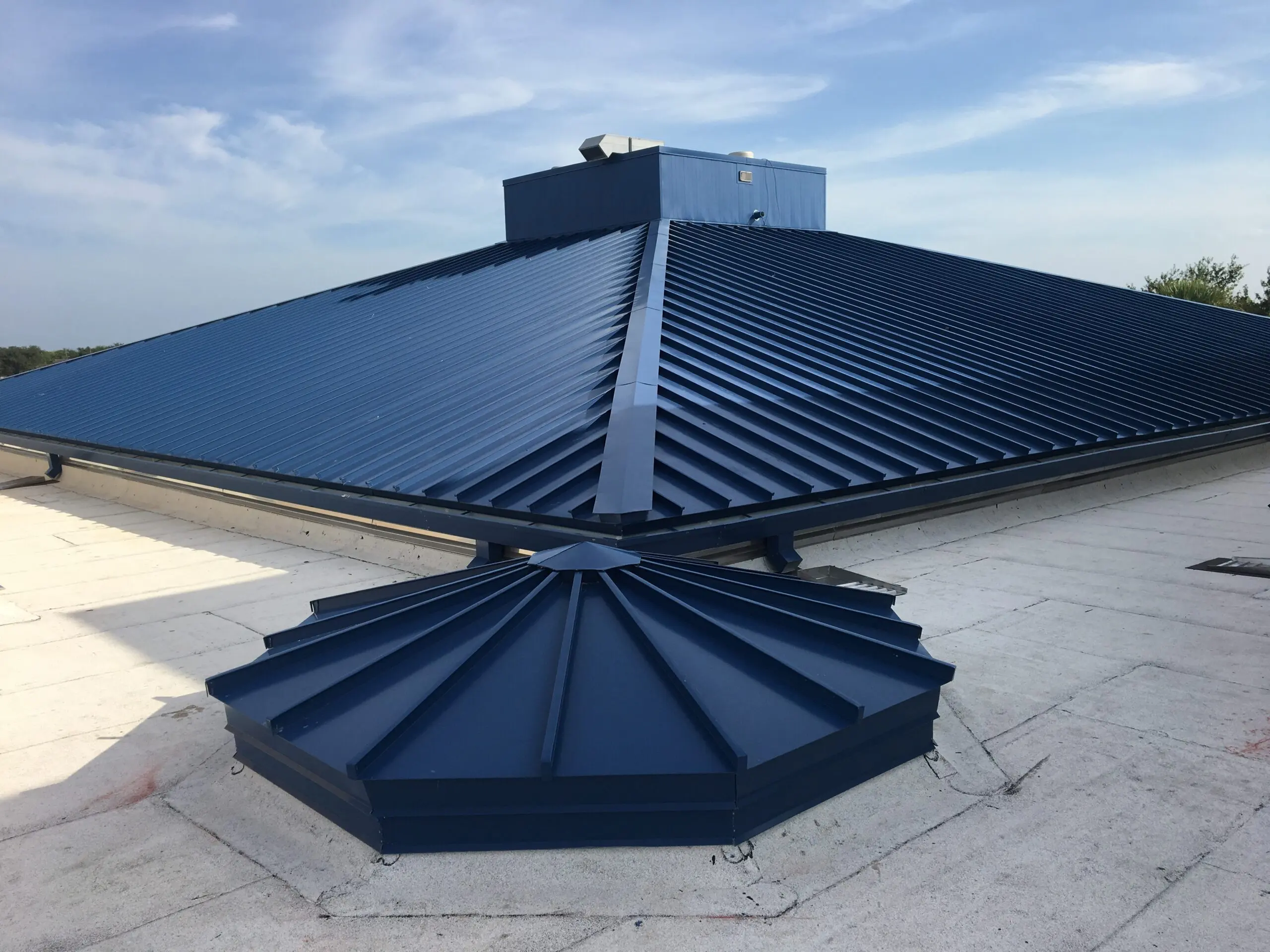
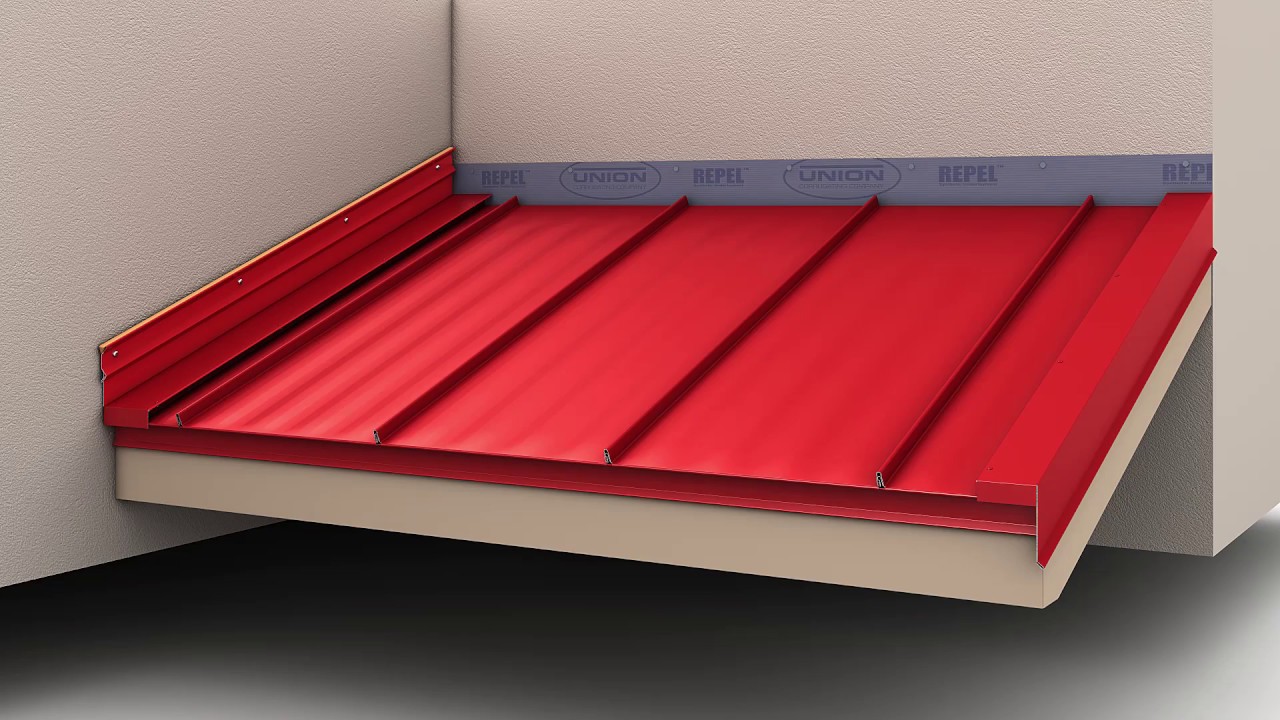
Standing-seam metal goes on where the building calls for it, with concealed clips and detailed equipment supports built to ride out the ice that loads eaves and gutters each winter.
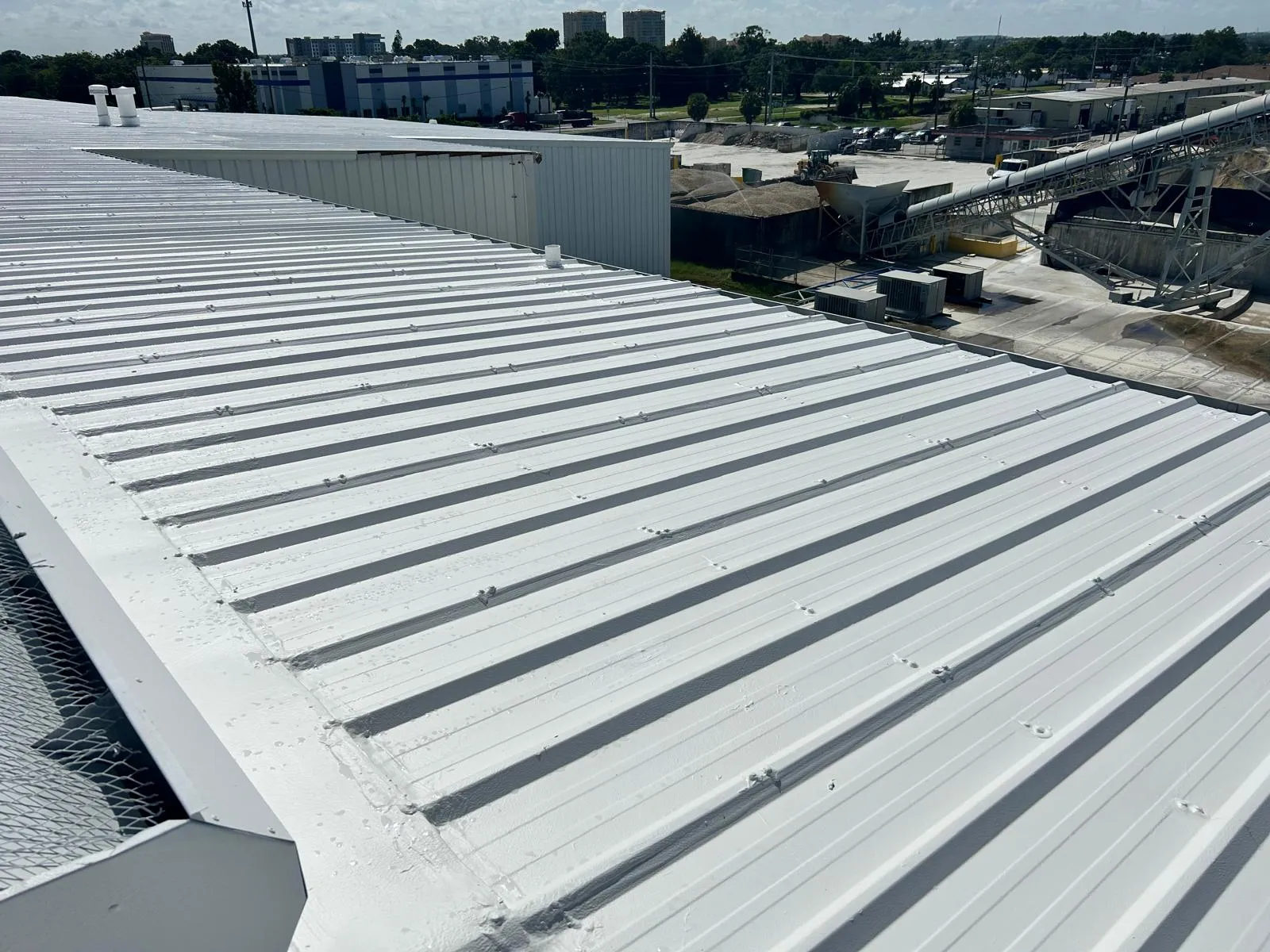
Reflective cool-roof membranes cut the July cooling load on a low-slope Des Moines building, but only after edge metal, coping joints, and parapet terminations are made watertight first.
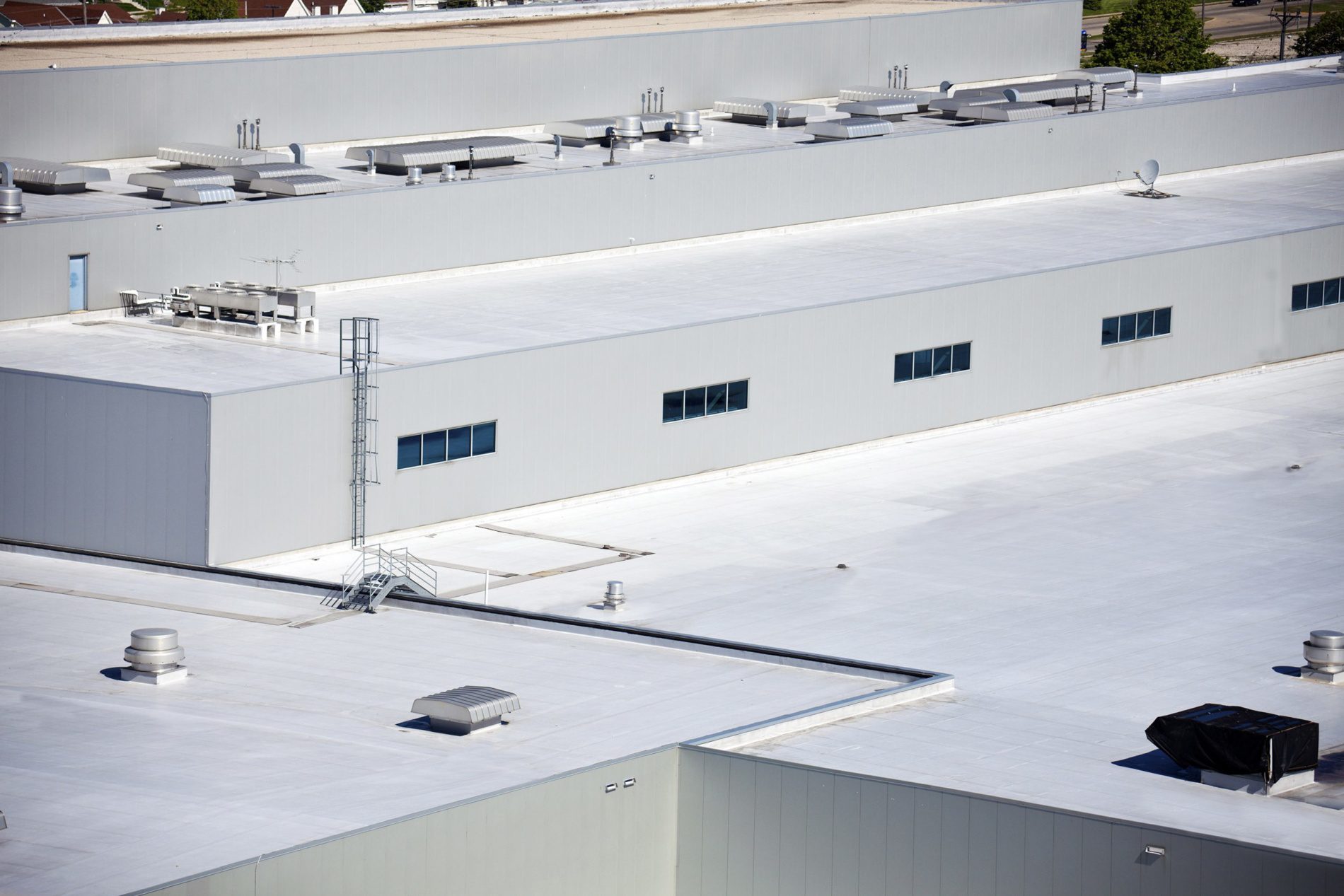
On a Polk County plant, the roof scope turns on rooftop access, equipment loads, and a membrane that can take both Central Iowa hail and the heat shed by the process below.
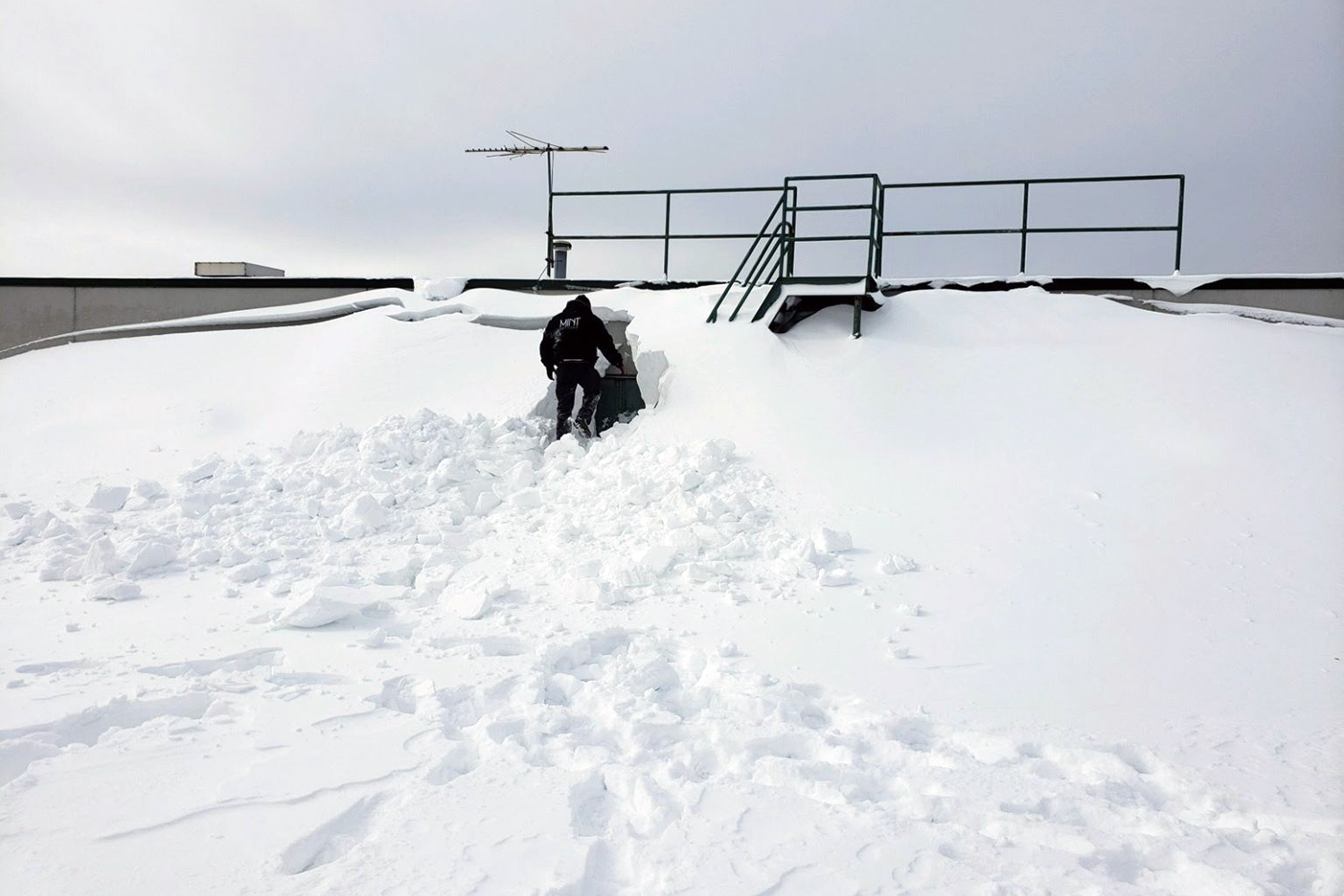
When snow load and ice dams back water up under the membrane, fast dry-in plus honest photo documentation gets a Greater Des Moines owner and the insurer reading the same record.
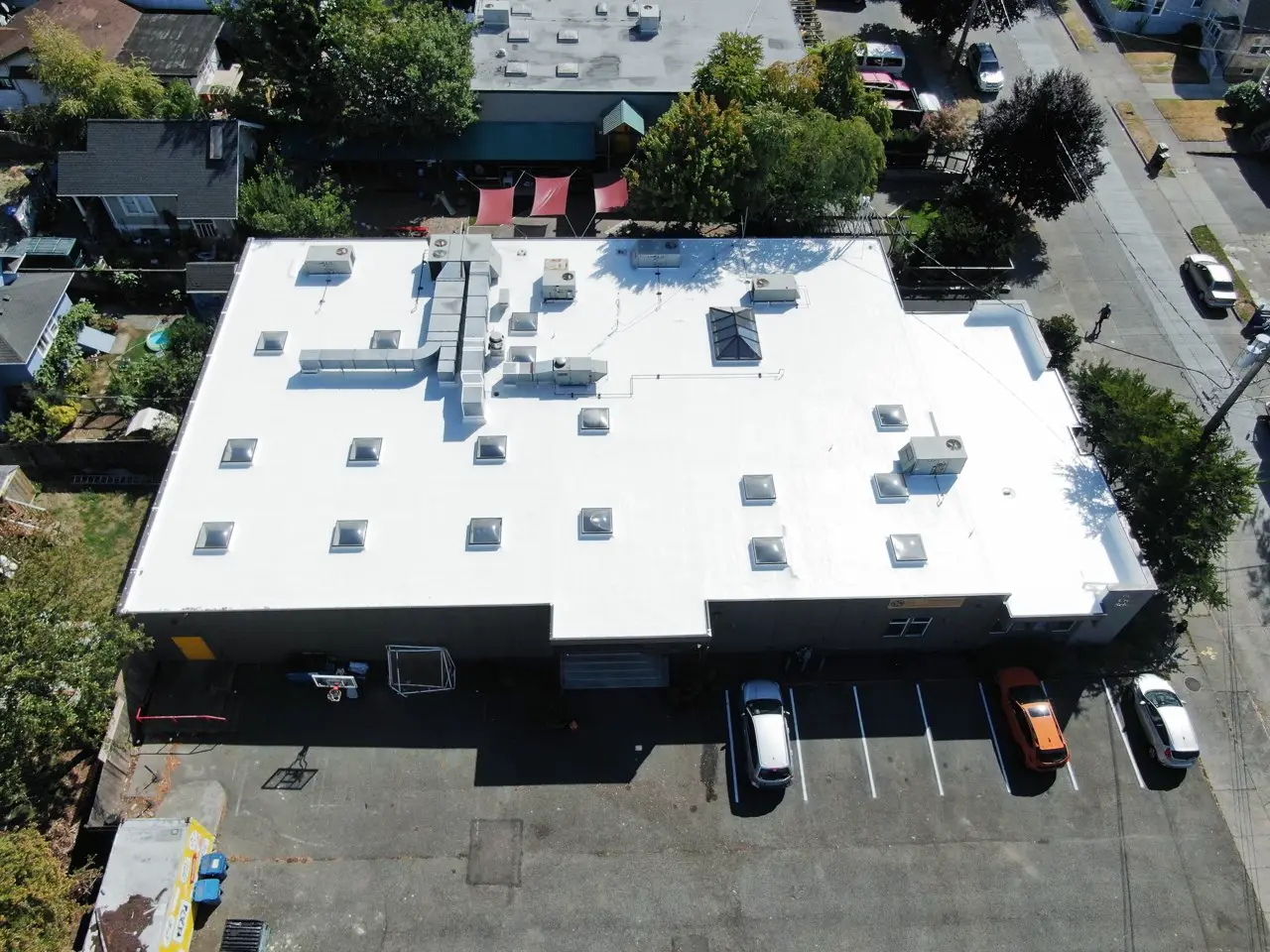
Skylights and rooftop penetrations are where most leaks begin, so done-right curb and boot flashing keeps a spring storm from turning a sound roof into a ceiling stain.
Summer break is the real deadline for school roofing, so work over classrooms and gyms is scoped tight around the calendar and the post-thaw ponding that pools on aging decks.