Roof Systems
Membrane, metal, coating, foam, asphalt, and recover assemblies reviewed against Iowa weather, roof access, and building operations.

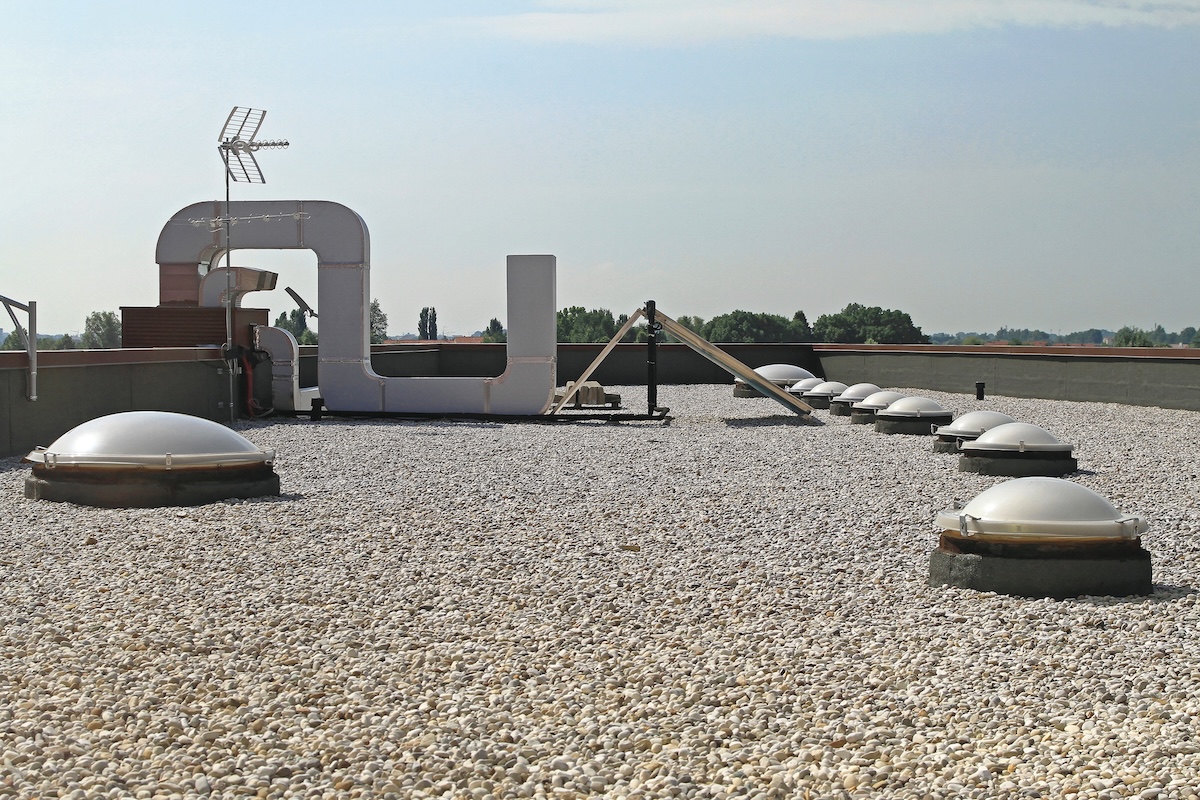
Membrane, metal, coating, foam, asphalt, and recover assemblies reviewed against Iowa weather, roof access, and building operations.
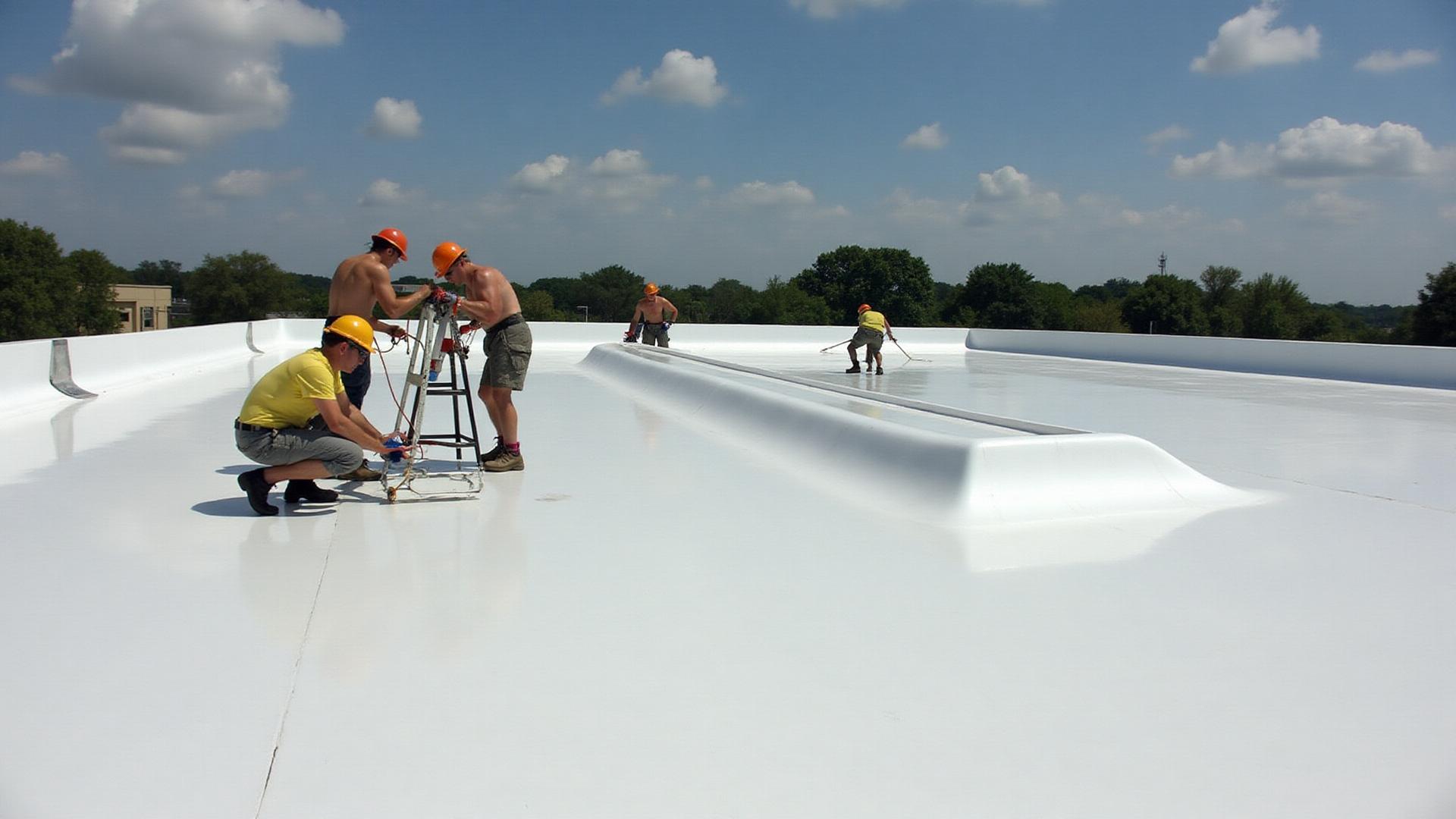
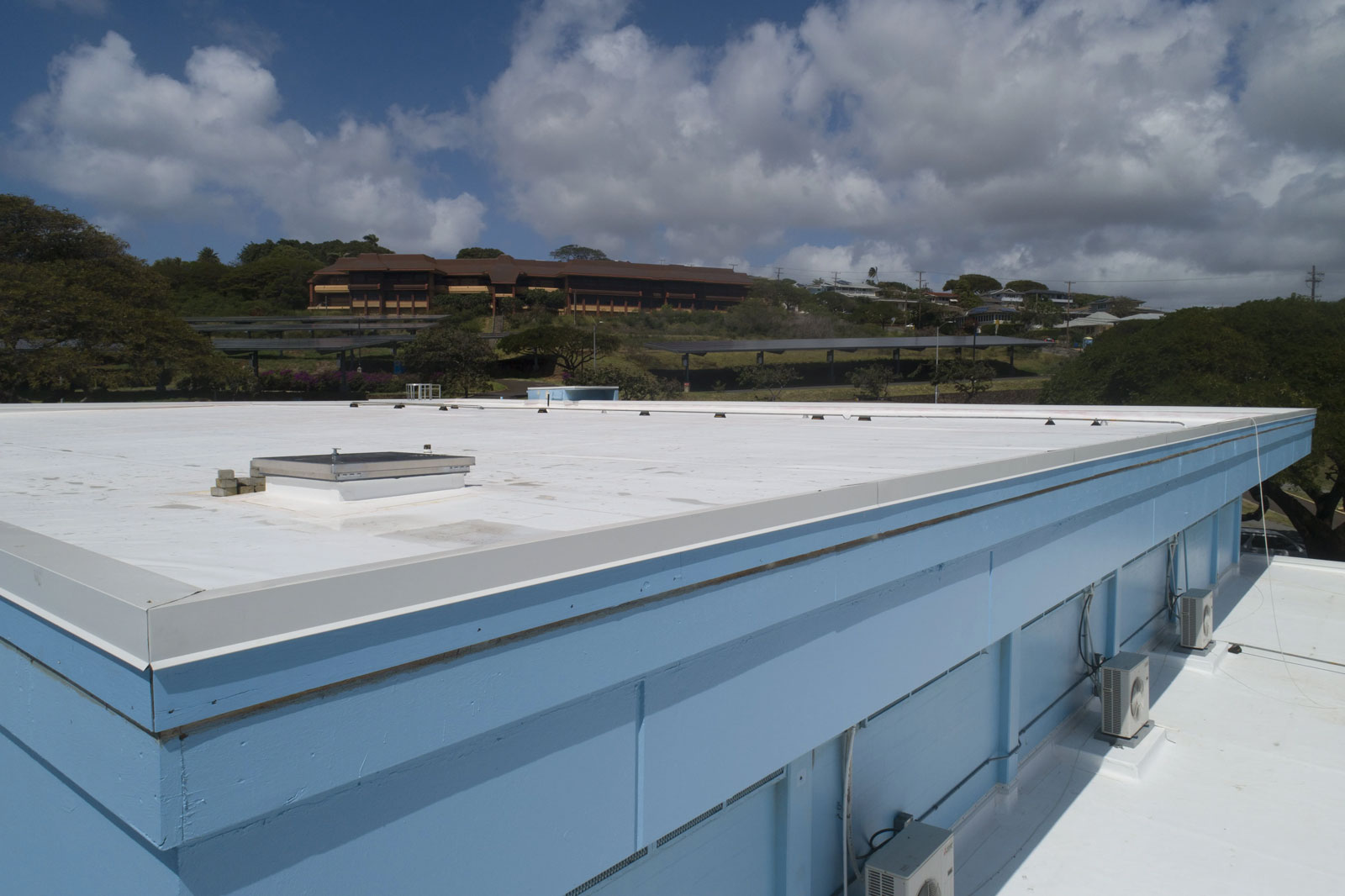
Standard 60-mil TPO balances cost and durability for everyday Des Moines low-slope work, its reflective, heat-welded surface handling the wide swing from January cold to July sun.
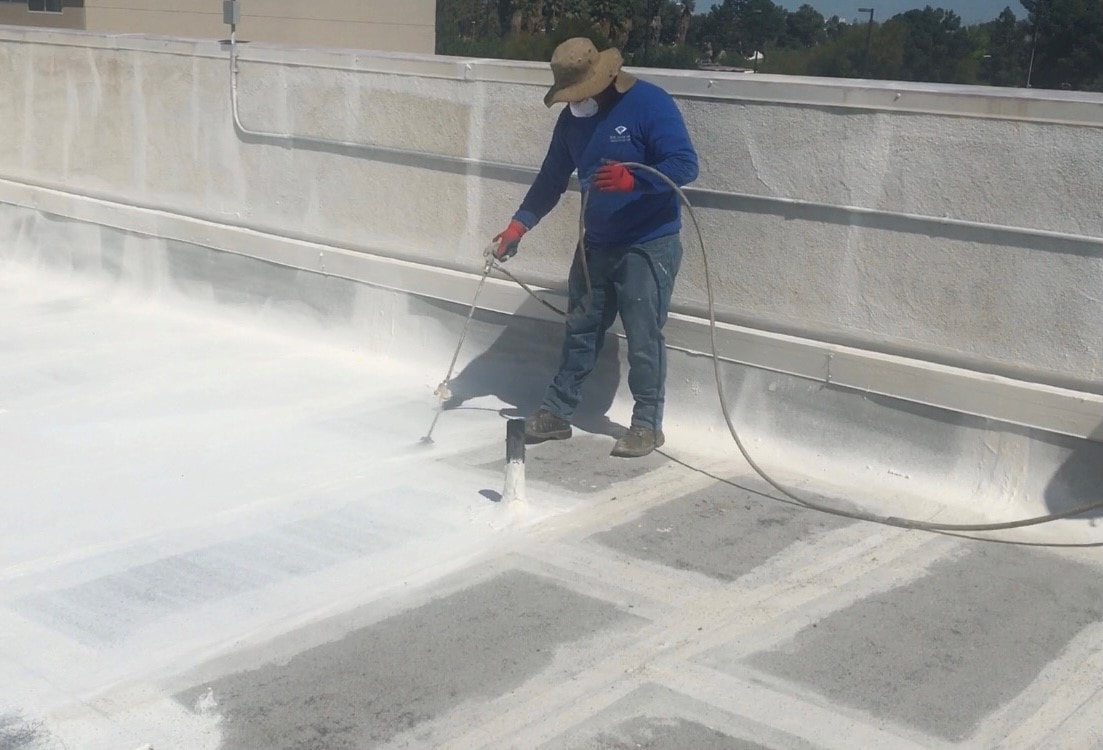
A fluid-applied silicone coating restores a weathered but sound roof, sealing it monolithically against the ponding and standing water that linger after an Iowa thaw.
An 80-mil TPO membrane adds thickness where it counts, a worthwhile upgrade on high-traffic Des Moines roofs that face frequent service visits and the bruising of summer hail.
Layered asphalt-and-felt built-up roofing trades simplicity for redundancy, a reasonable choice on a heavily trafficked Des Moines deck once the insulation and parapet flashings can handle repeated hard freezes.
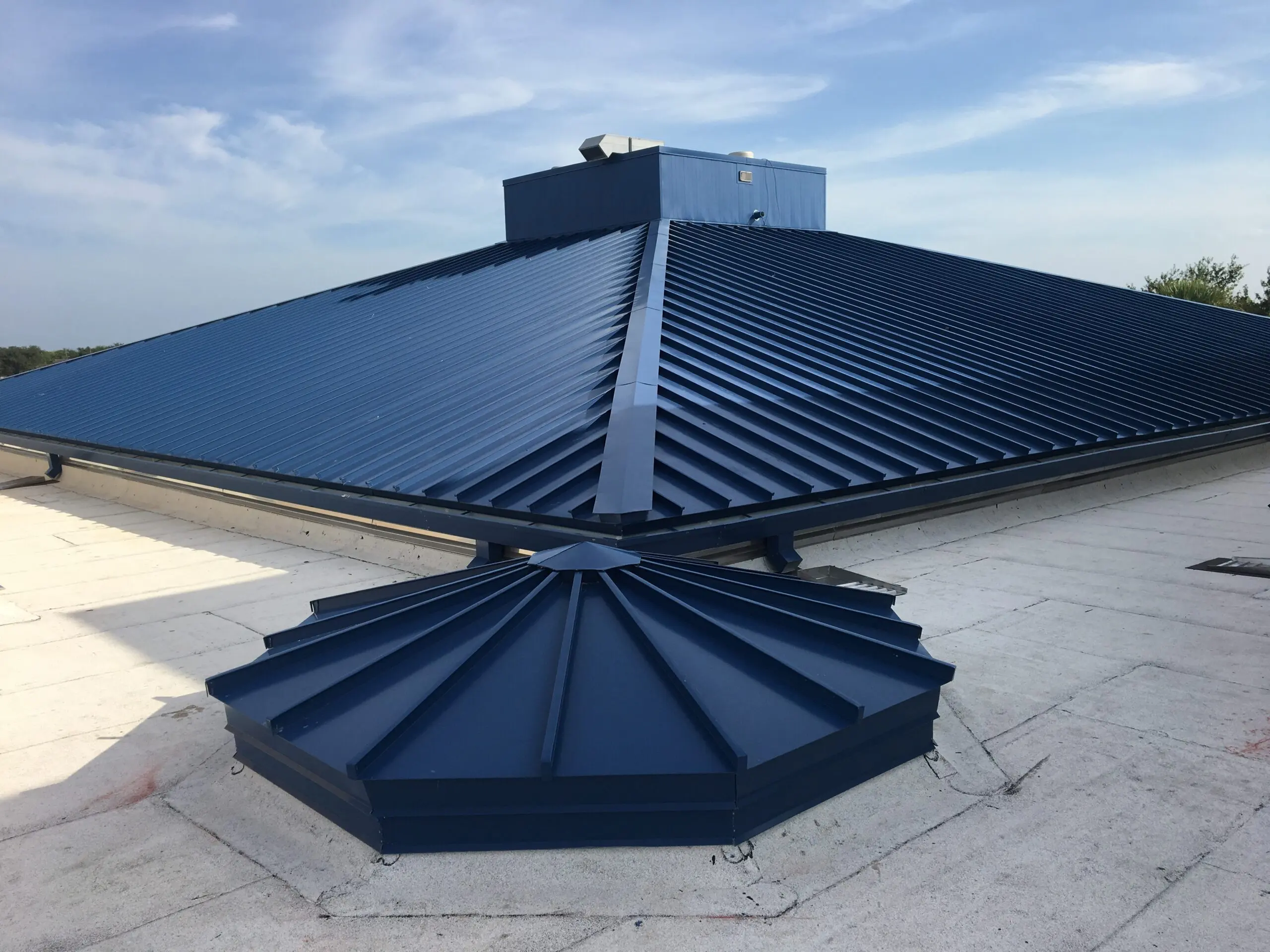
Standing-seam and R-panel metal systems offer decades of service on the right structure, with concealed or exposed fasteners chosen for how the roof will take Central Iowa wind and ice.
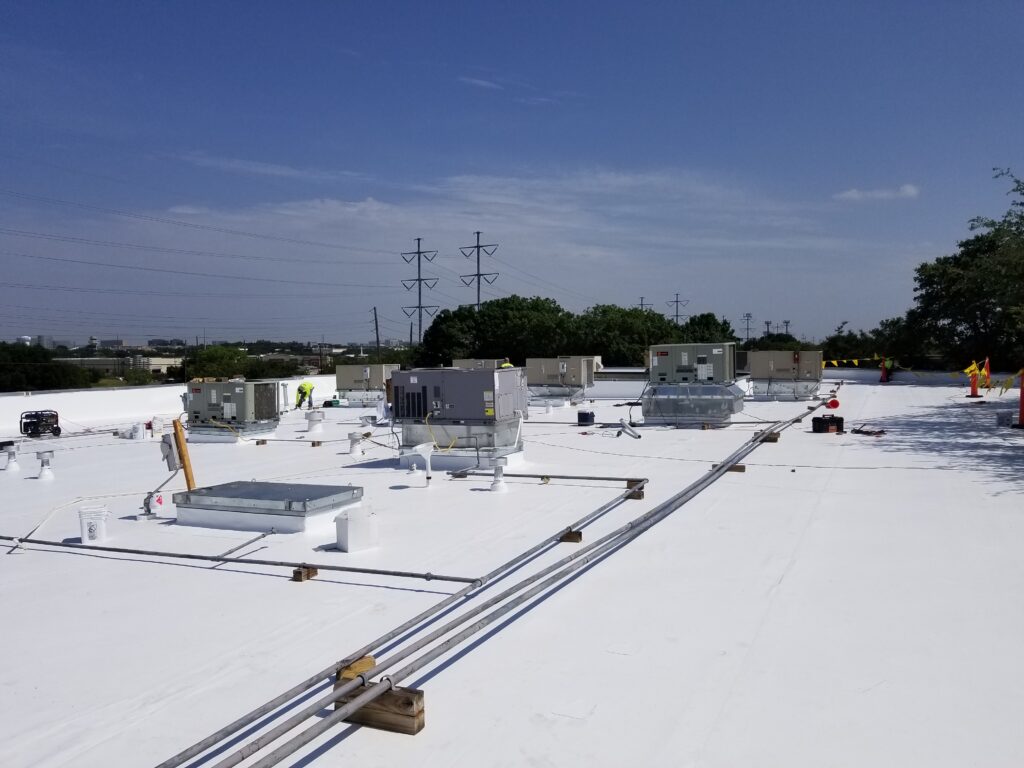
EPDM rubber membrane, black or white, ages gracefully on Des Moines low-slope roofs, and its performance comes down to how cleanly the seams, T-joints, and base flashings are bonded.
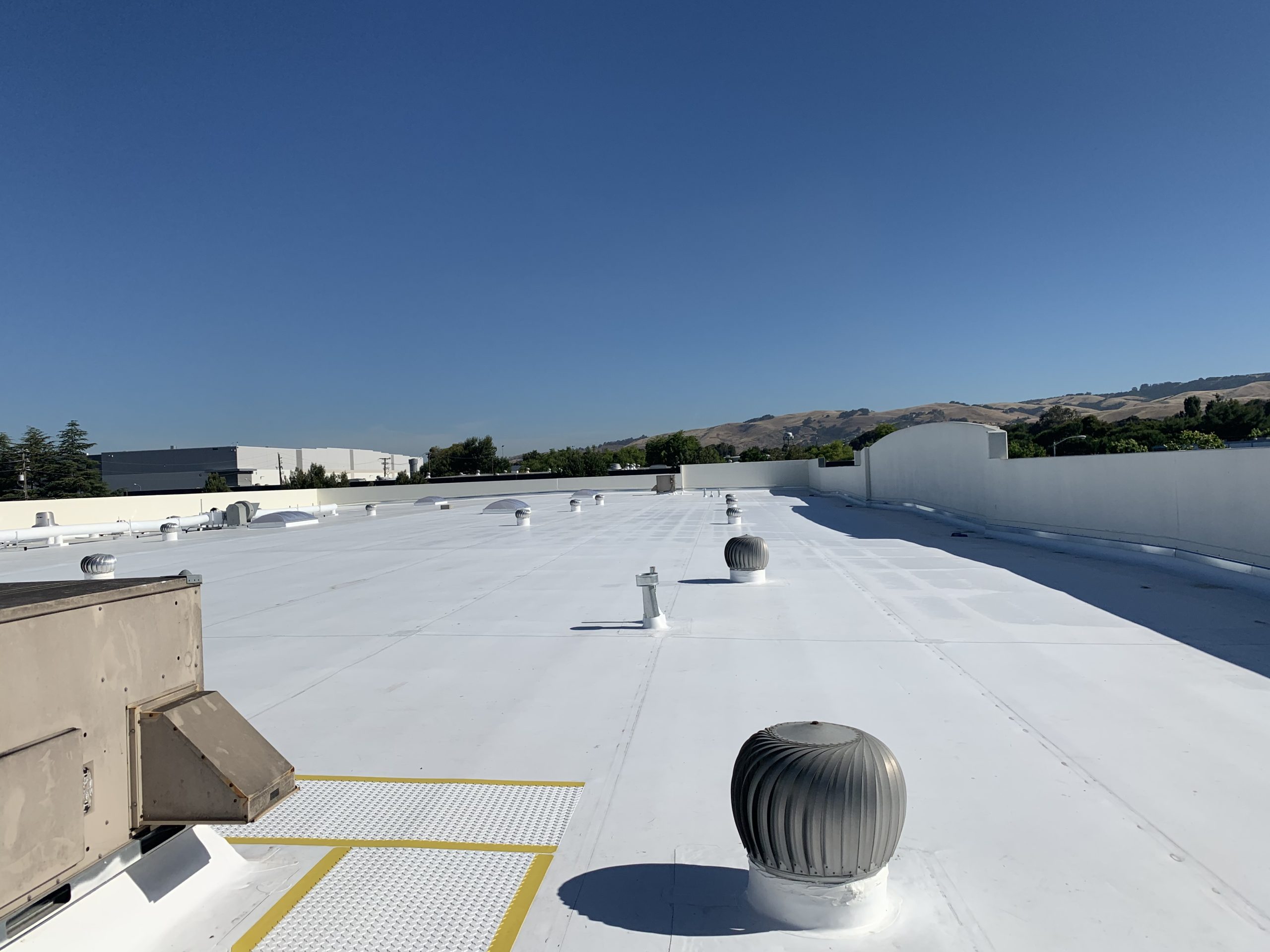
A KEE membrane keeps its plasticizers locked in for the long haul, which makes it worth specifying on Central Iowa roofs facing chemical exposure and the wind uplift of open terrain.
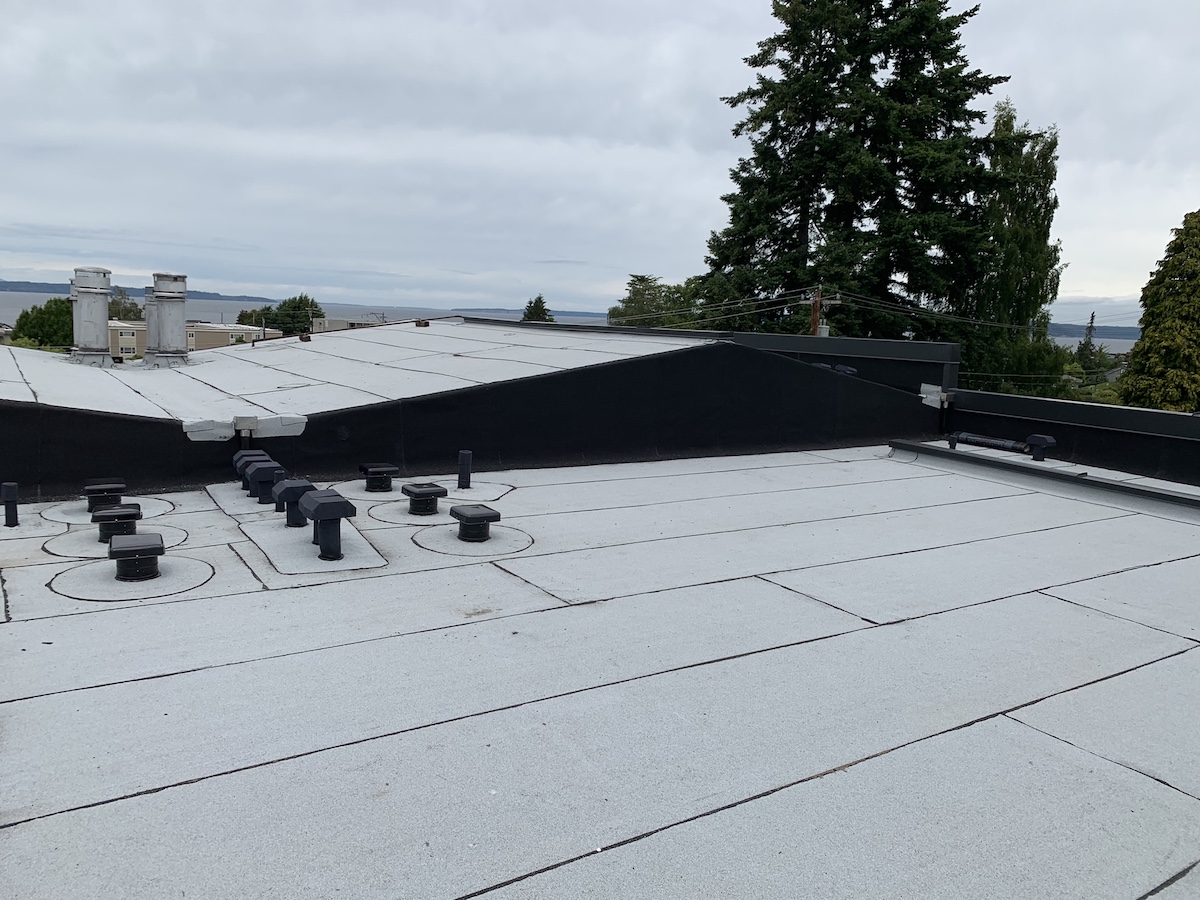
APP-modified bitumen cures into a tough, UV-stable cap sheet, suiting a Central Iowa deck where the membrane has to take direct sun and the strain of freeze-thaw cycling.
SBS-modified bitumen stays flexible in the cold, an asset on a Des Moines building where the assembly has to keep moving with the deck through a deep January freeze.
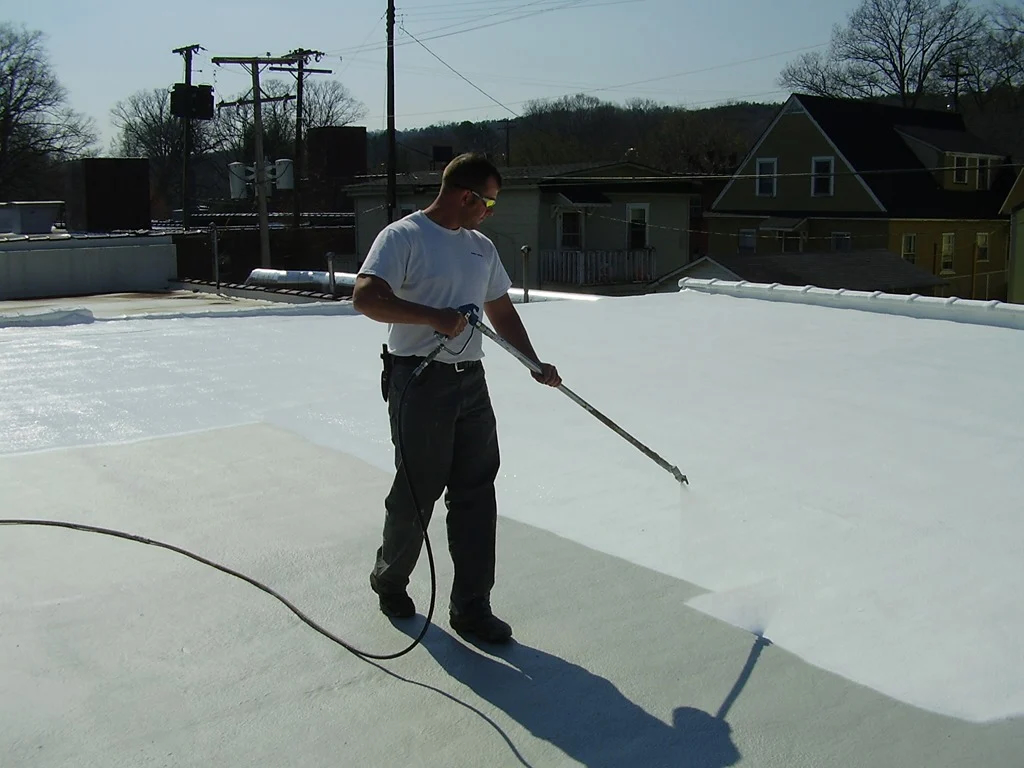
Sprayed polyurethane foam bonds insulation and waterproofing into one seamless layer, a smart retrofit for irregular Des Moines decks where eliminating every seam beats blowing snow.
Fleeceback TPO adds a fleece backing for puncture resistance and fully-adhered strength, a fit for Des Moines buildings where rooftop foot traffic and summer hail both threaten a bare membrane.
Hot-air-welded PVC resists grease, chemicals, and ponding, earning its place on capital-city restaurants and plants where the welded seams have to outlast the spring storms off the plains.