Service Areas
Local roof planning for downtown properties, industrial corridors, suburbs, campus roofs, and owner portfolios around Central Iowa.

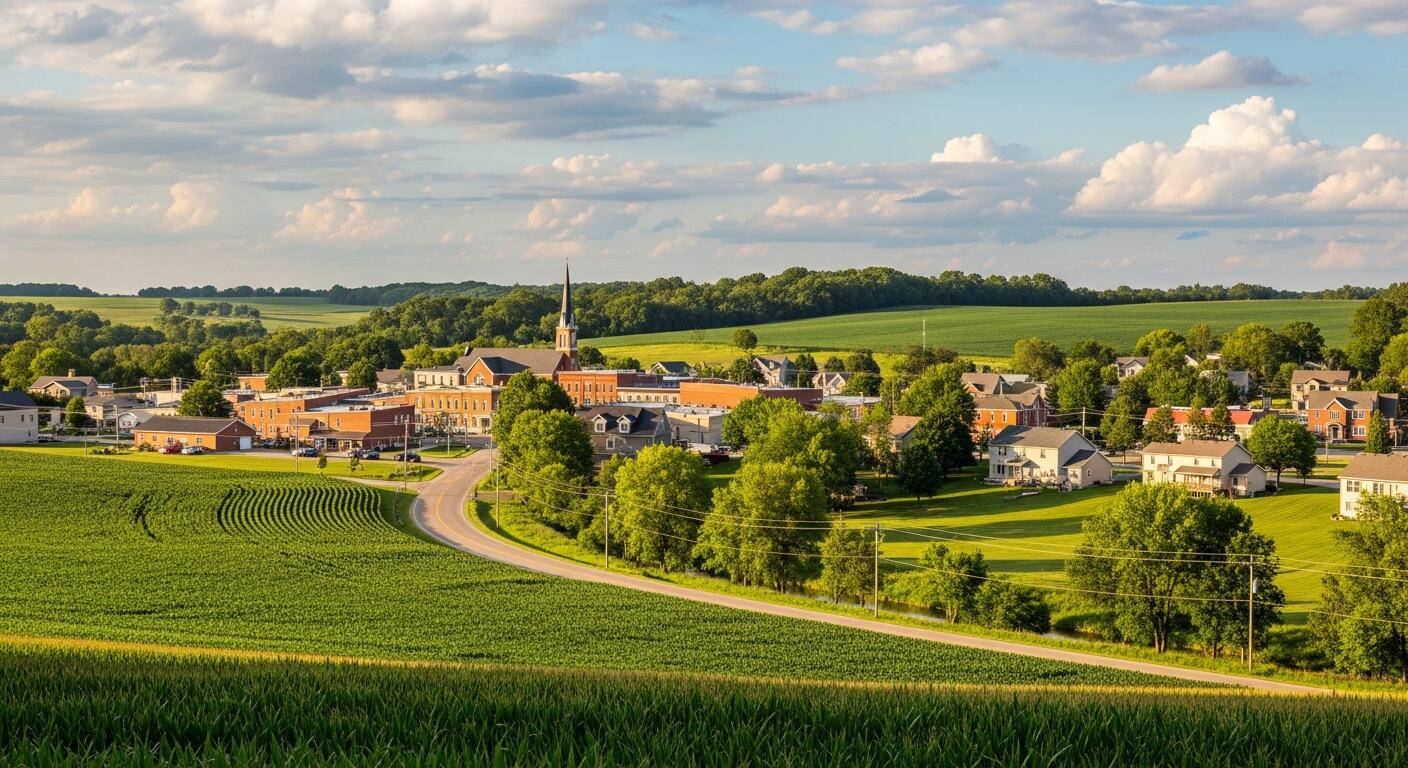
Local roof planning for downtown properties, industrial corridors, suburbs, campus roofs, and owner portfolios around Central Iowa.

Urbandale's office parks, retail centers, and light-industrial buildings northwest of the city contend with eave ice ridging, so the focus stays on flashings and ponding control.
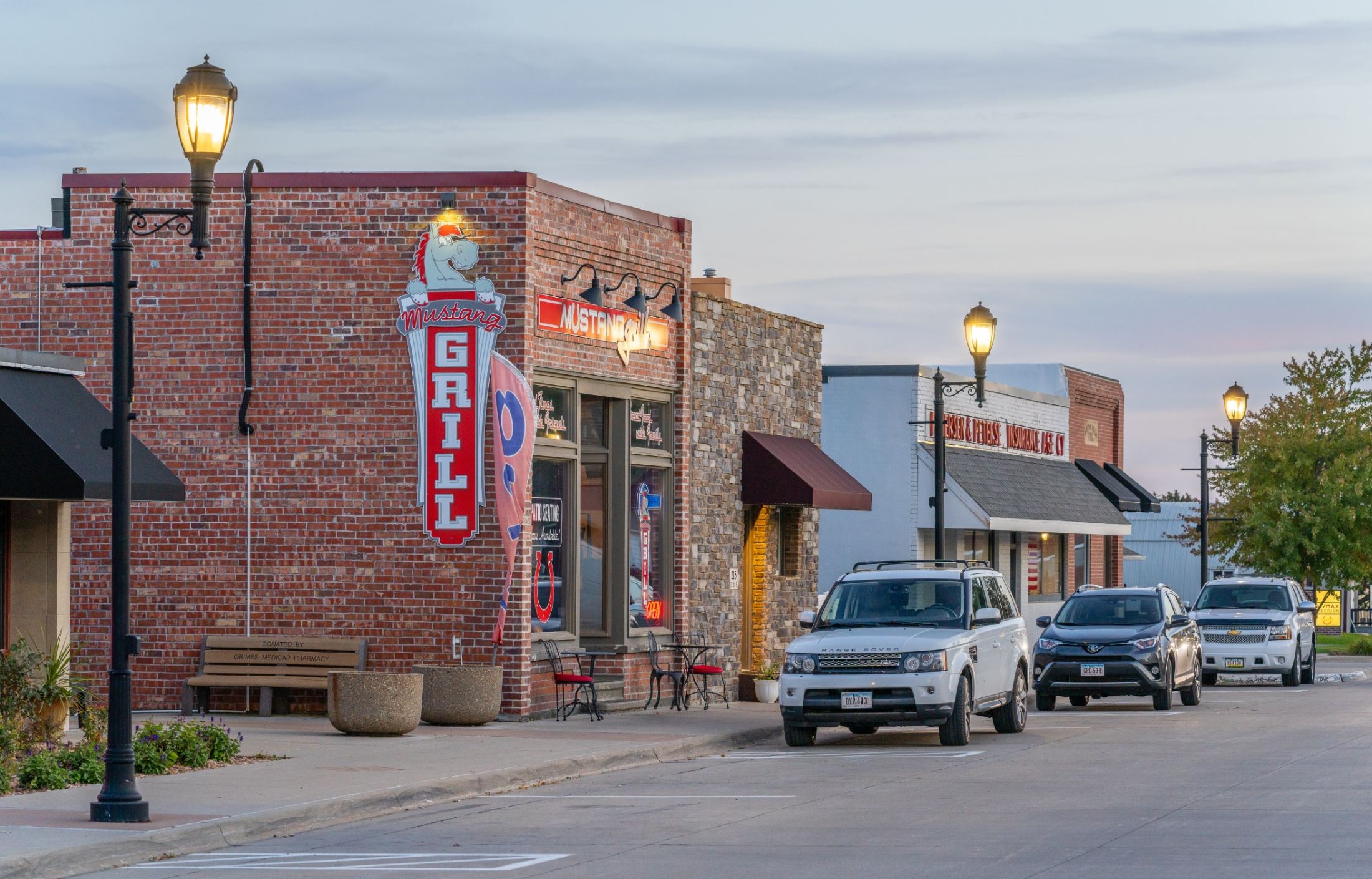
In the South of Grand district, established offices and institutional buildings weigh their fastening pattern against the demands of a wide January-to-July temperature swing.
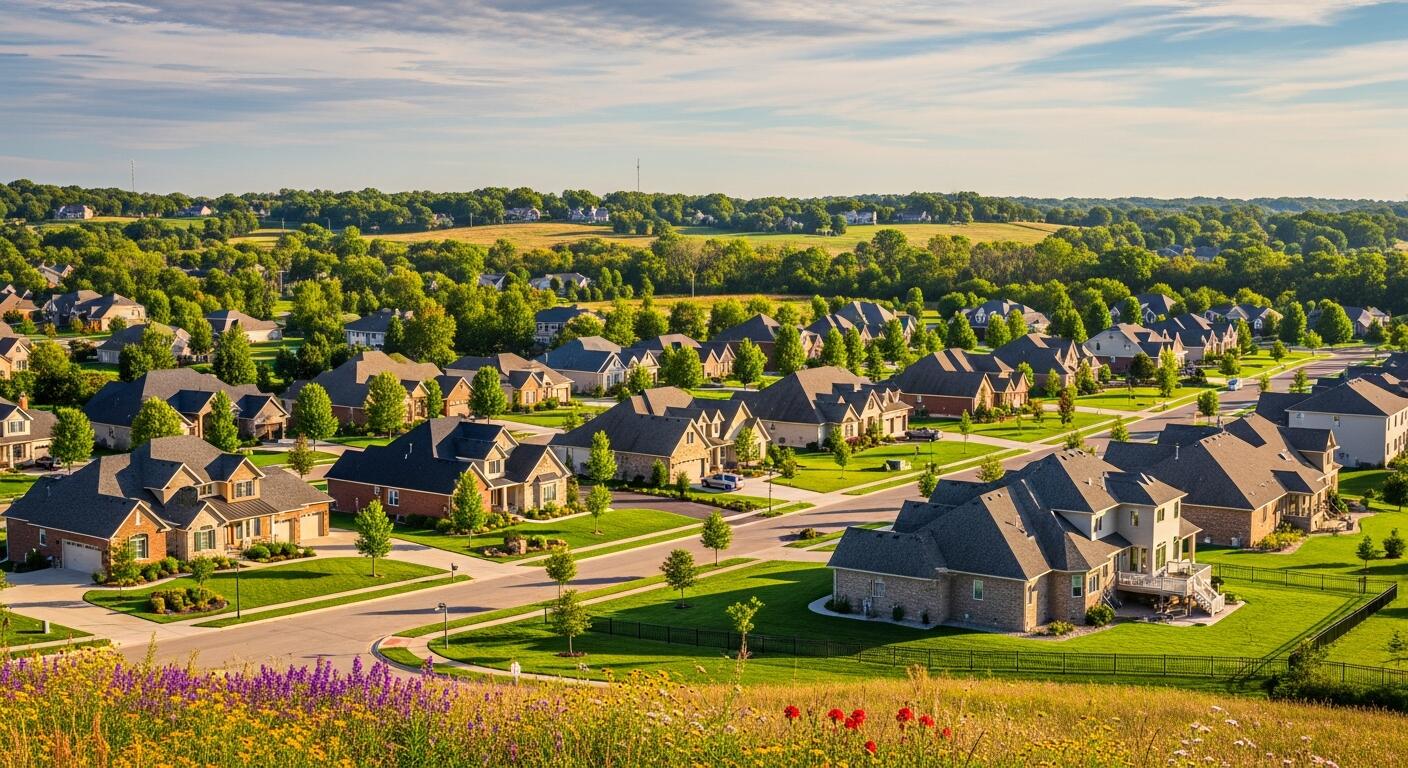
Office and medical buildings line the University Avenue corridor through Clive, and their scuppers have to be sized for the cloudbursts that ride summer hailstorms.
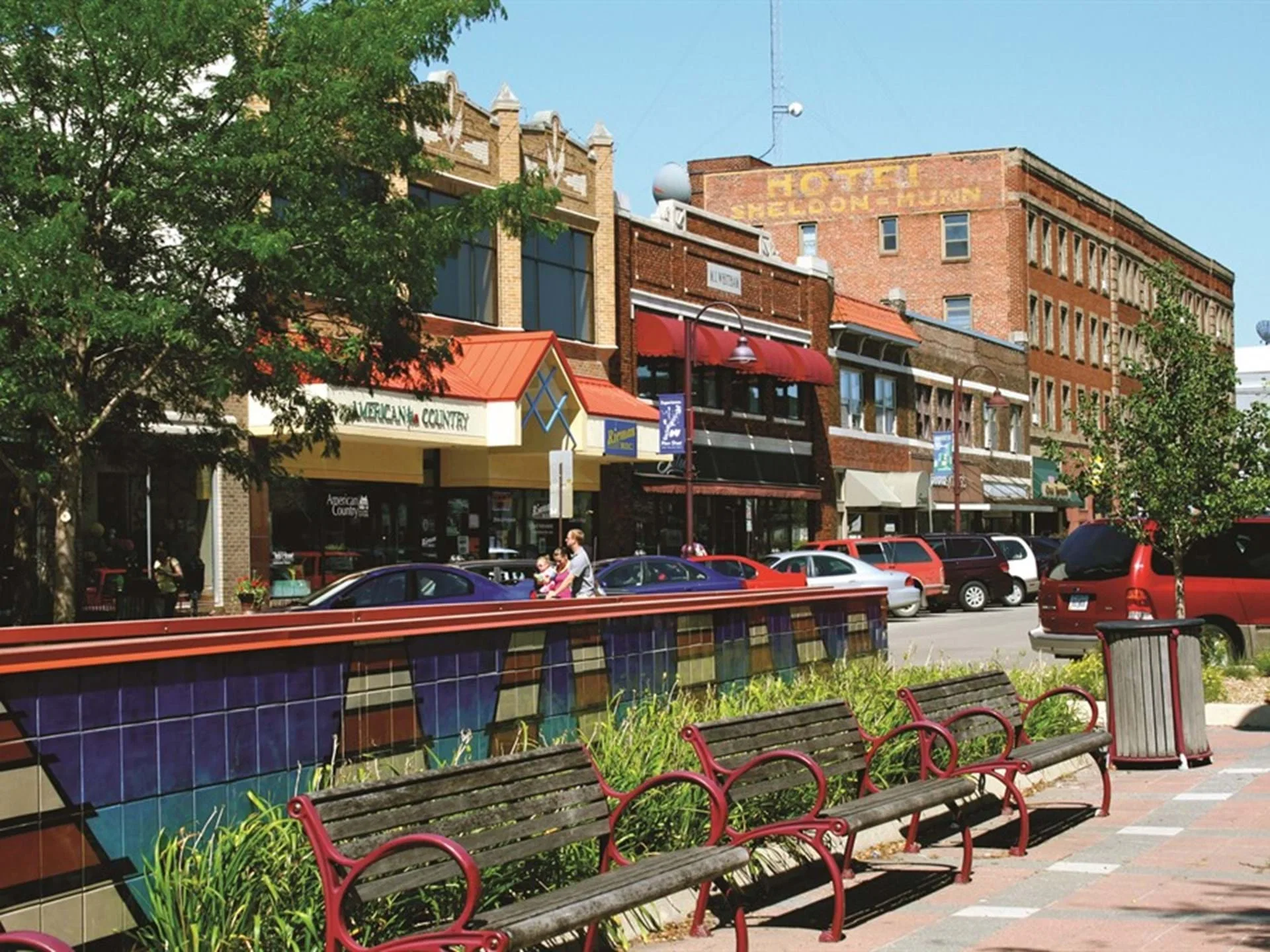
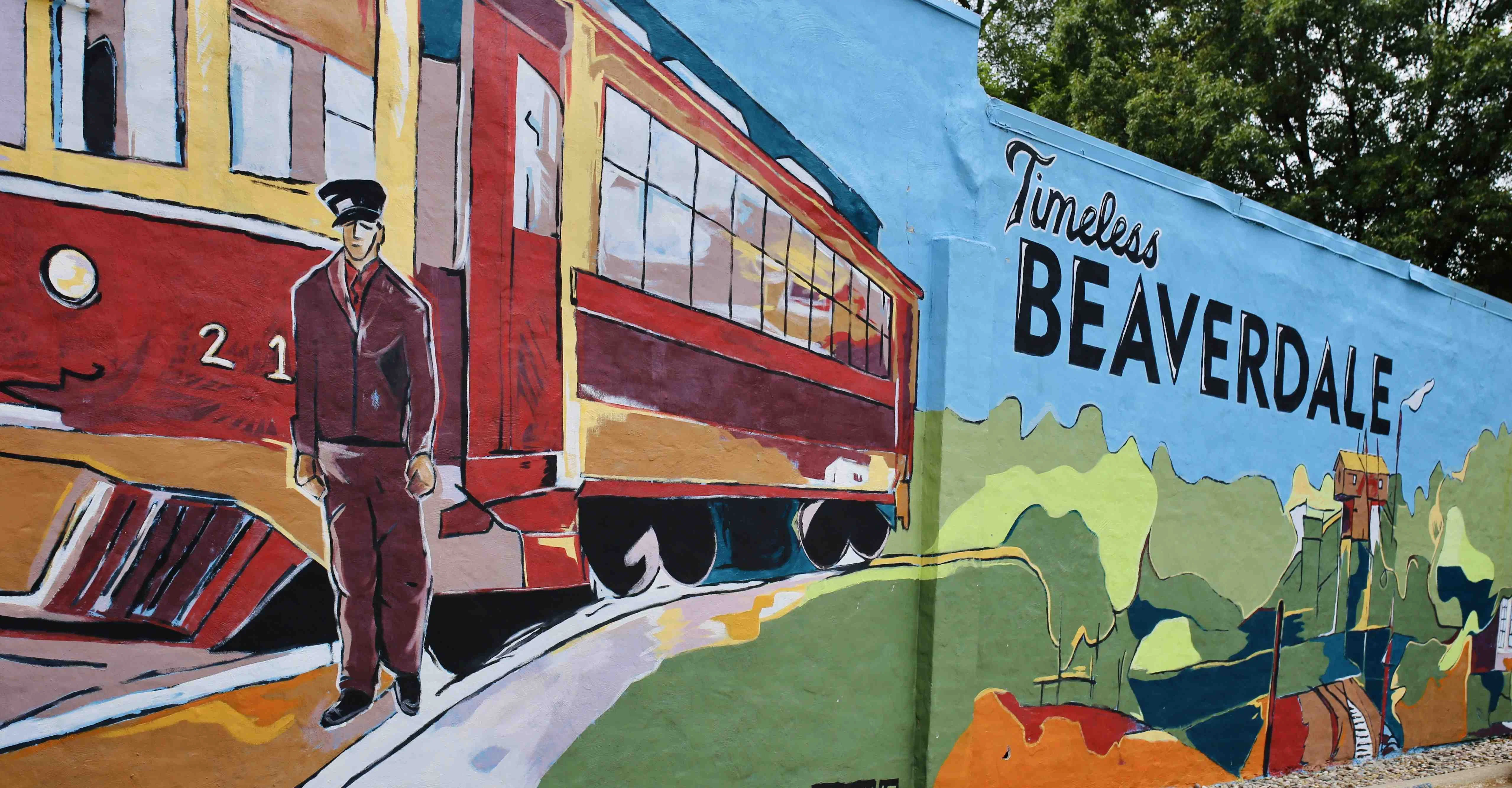
Northwest of downtown, Beaverdale's older brick storefronts carry interior drains and clamping rings that take the brunt of a winter's worth of heavy, wet snow.
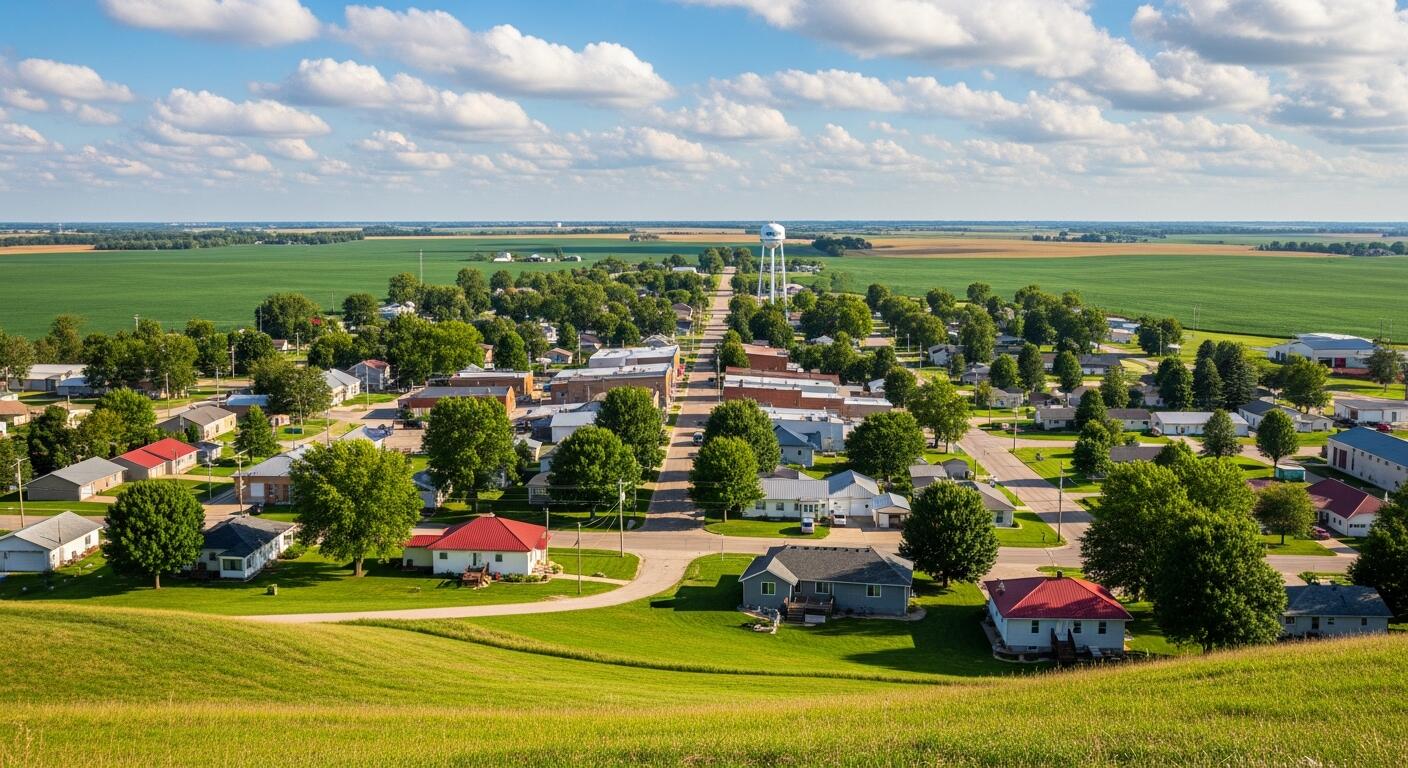
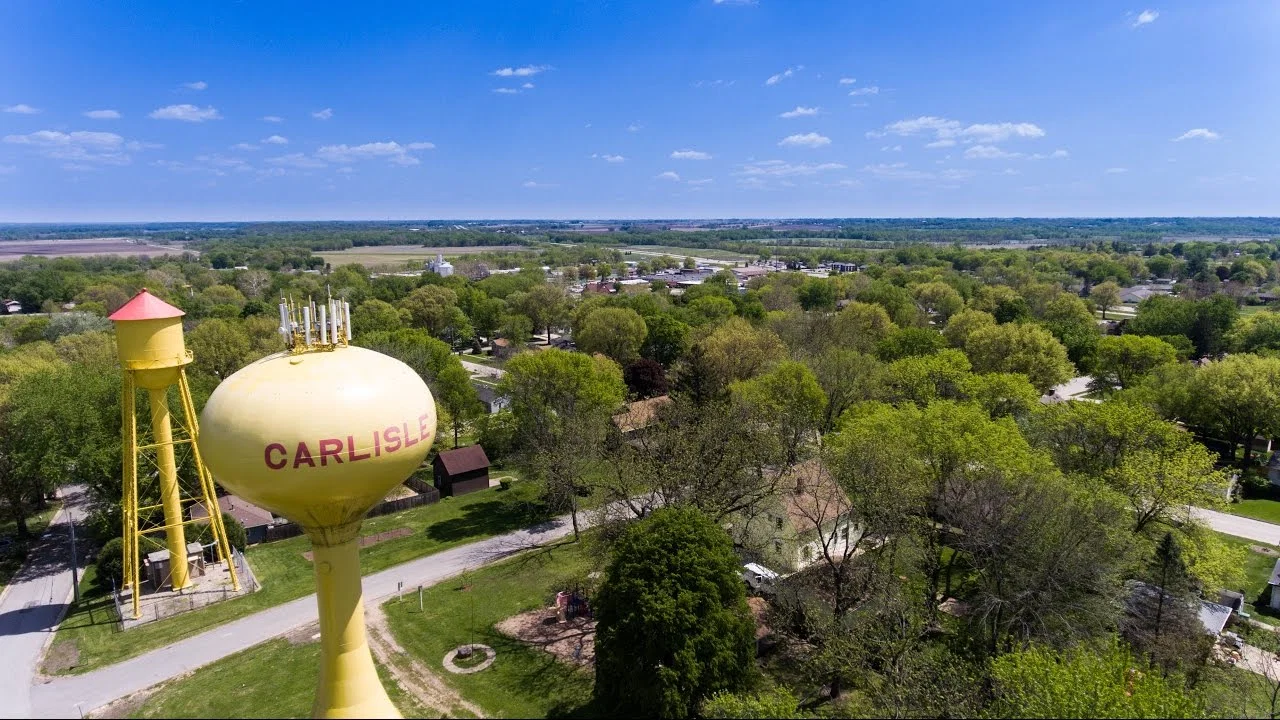
Carlisle's small-town storefronts south of the river meet Iowa freeze-thaw head-on, so we start at the flashings long before touching anything cosmetic.
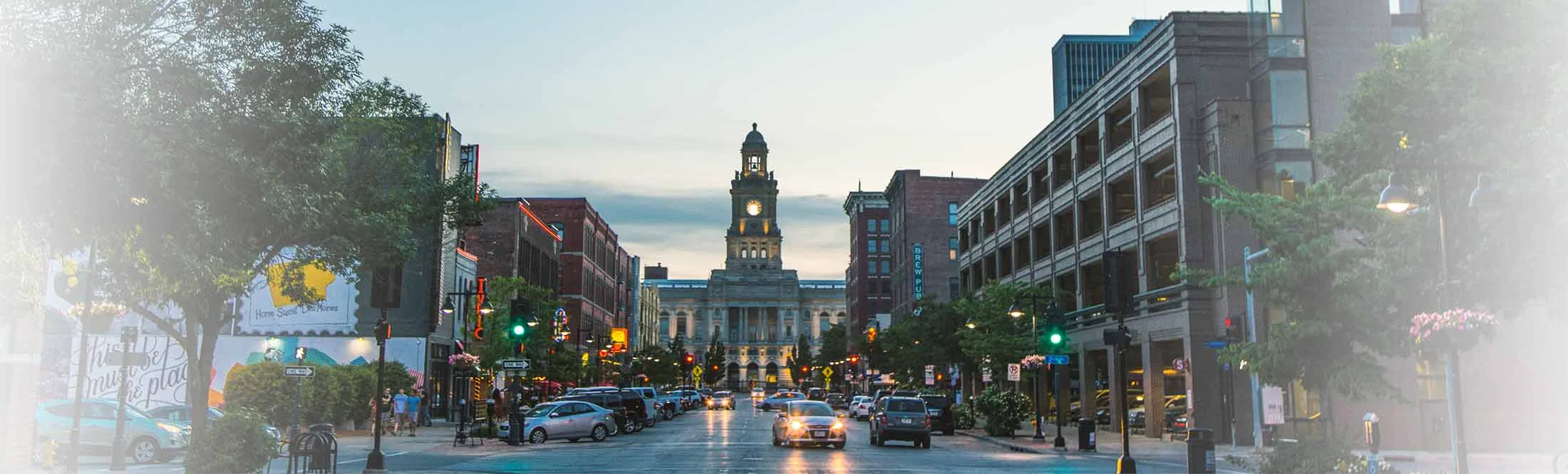
The historic brick buildings of the Court Avenue entertainment district downtown let post-thaw ponding push water toward wall transitions faster than most owners expect.
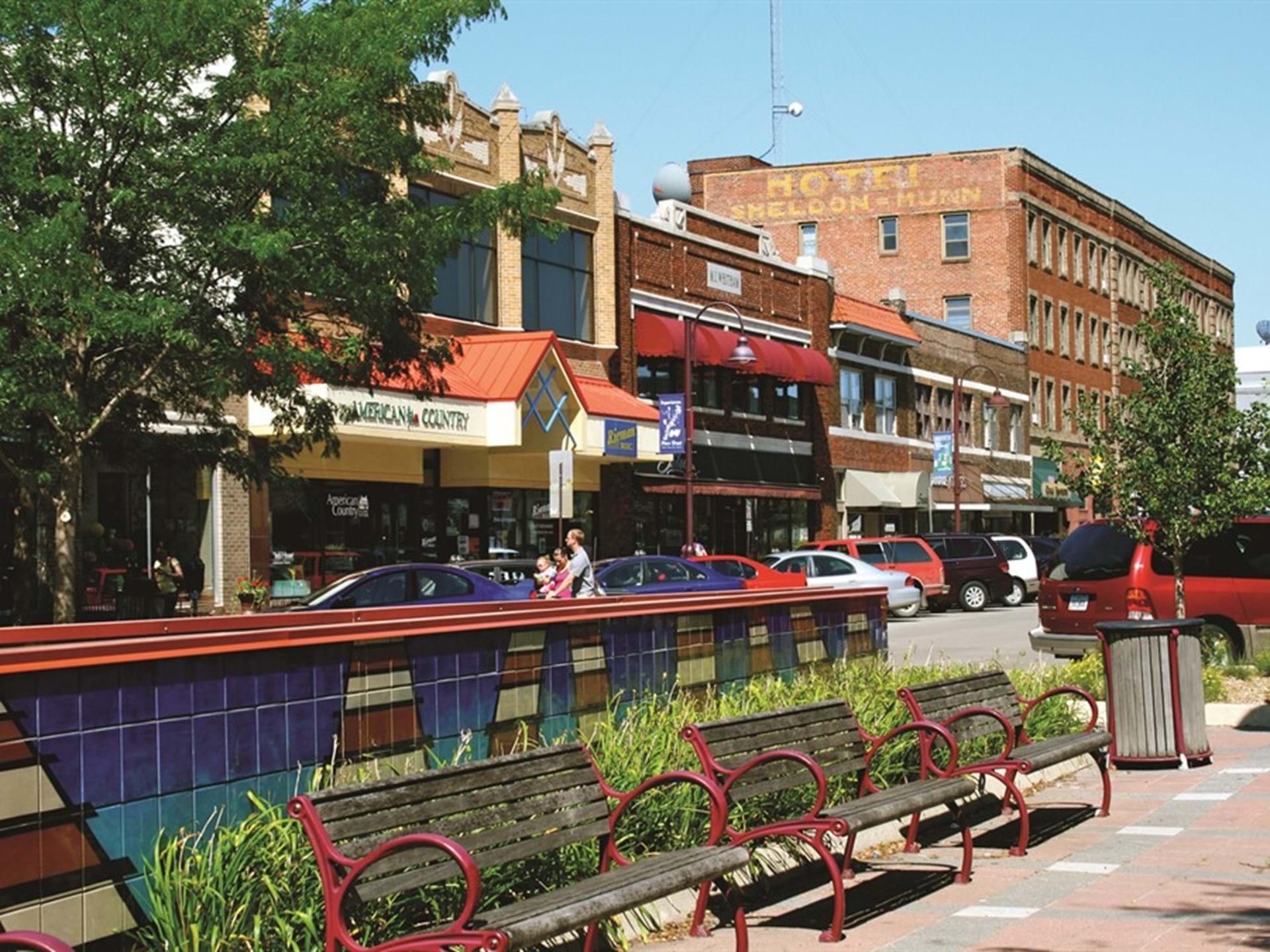
Along Fifth Street in Valley Junction, we document the expansion joints and wall-to-roof transitions on the historic storefronts before open-terrain winds open a seam.
Grimes is booming with logistics and flex-space buildings northwest of the metro, where we seal skylights and curbs before deep cold and rooftop snow find the weak points.
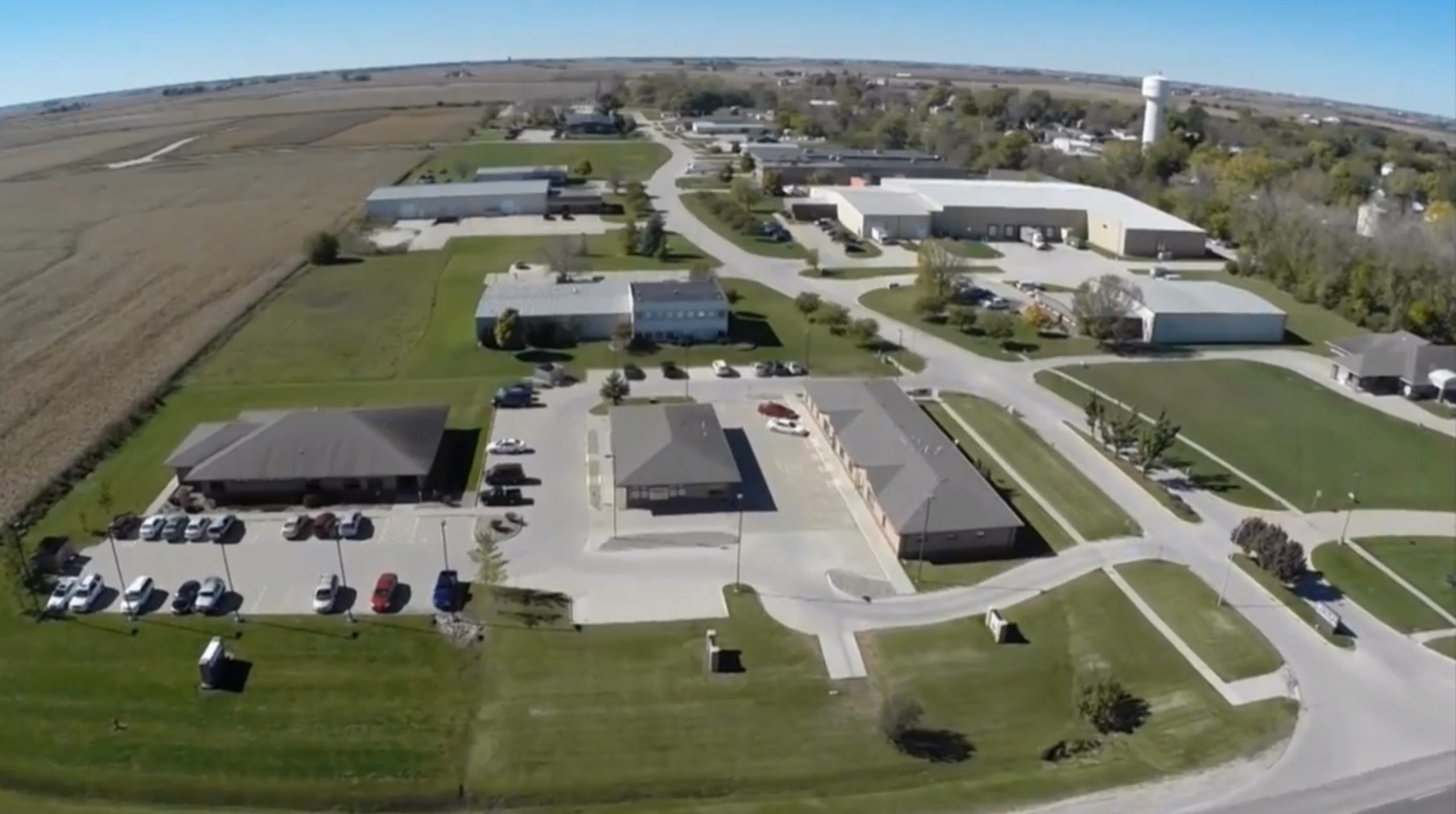
Up the I-35 corridor, the campus-adjacent offices and labs of Ames need scopes that begin at base and counterflashing and account for how repeated hard freezes work a deck.

Along the western corridor, the hyperscale data centers and their support facilities put edge metal and parapet terminations up against post-thaw ponding.
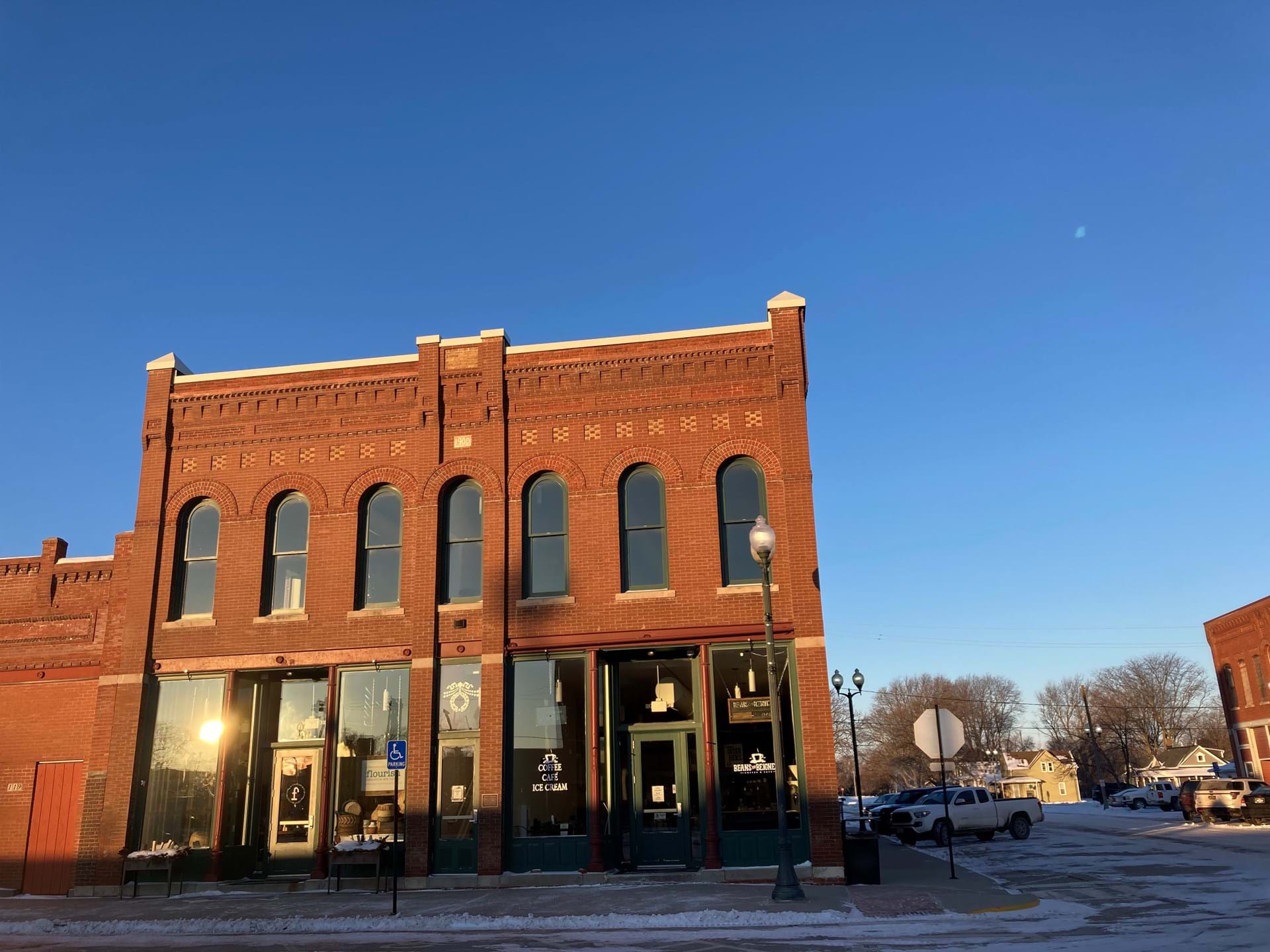
Oak Park's modest north-side shops and commercial buildings rely on drainage that can keep up with the load a season of snow and ice dumps on a flat deck.
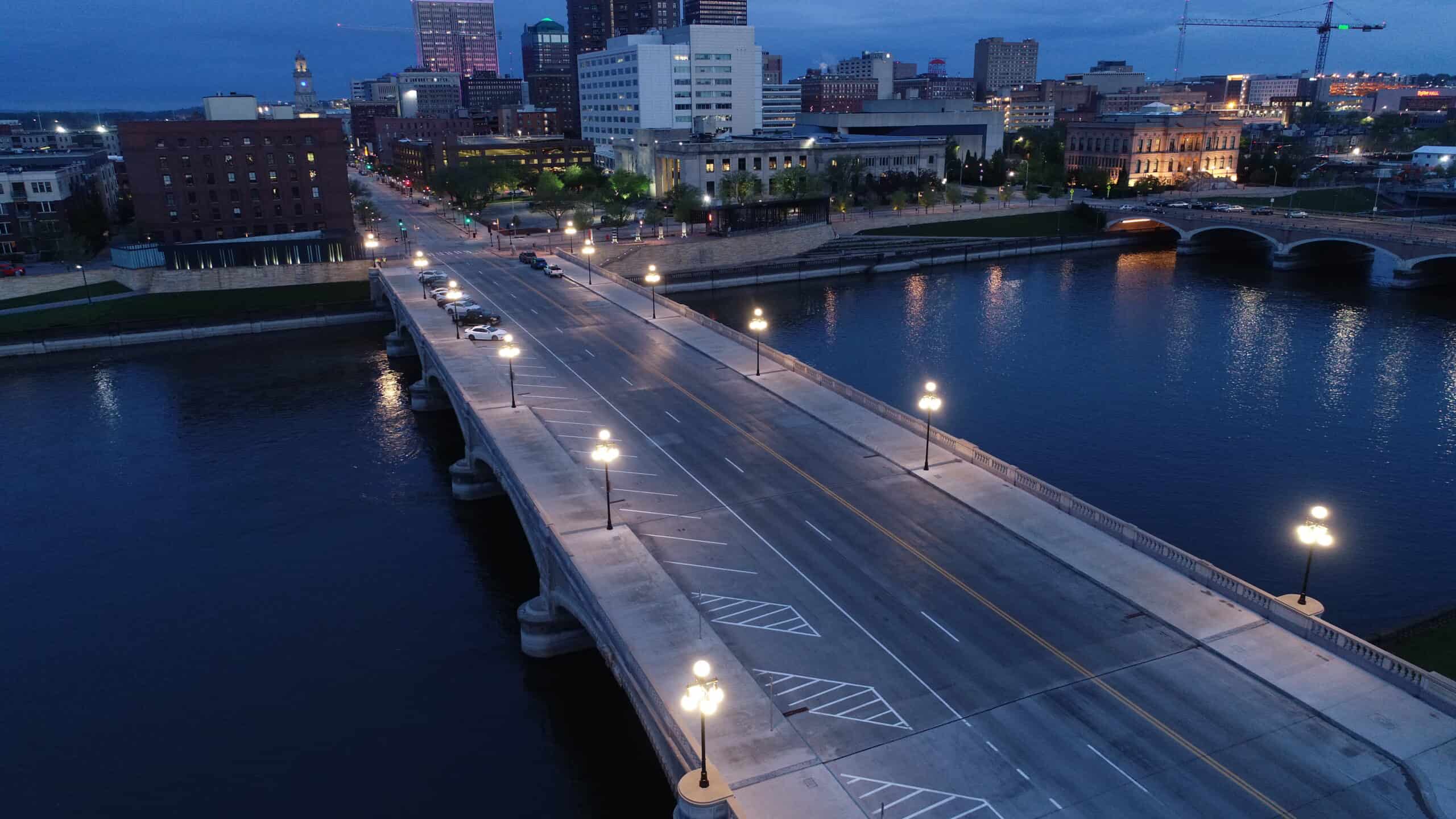
At the interstate junction, the big distribution centers and truck terminals need scopes built on the insulation and attachment pattern and how freeze-to-thaw cycling moves a deck.
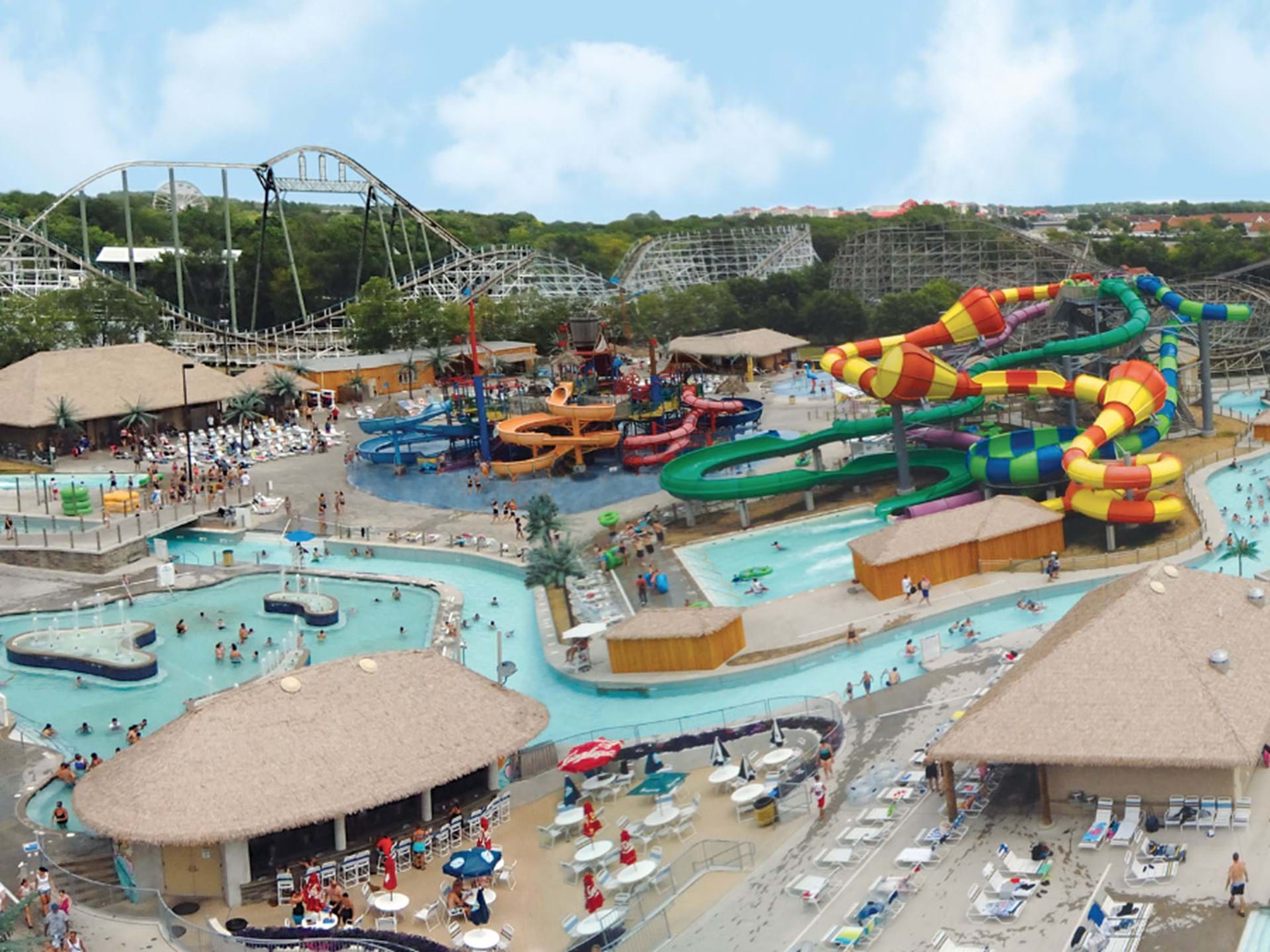
Altoona's east-side mix of retail, entertainment, and warehouse buildings leans hard on rooftop equipment supports and walk pads tough enough for Central Iowa hail and wind-driven rain.
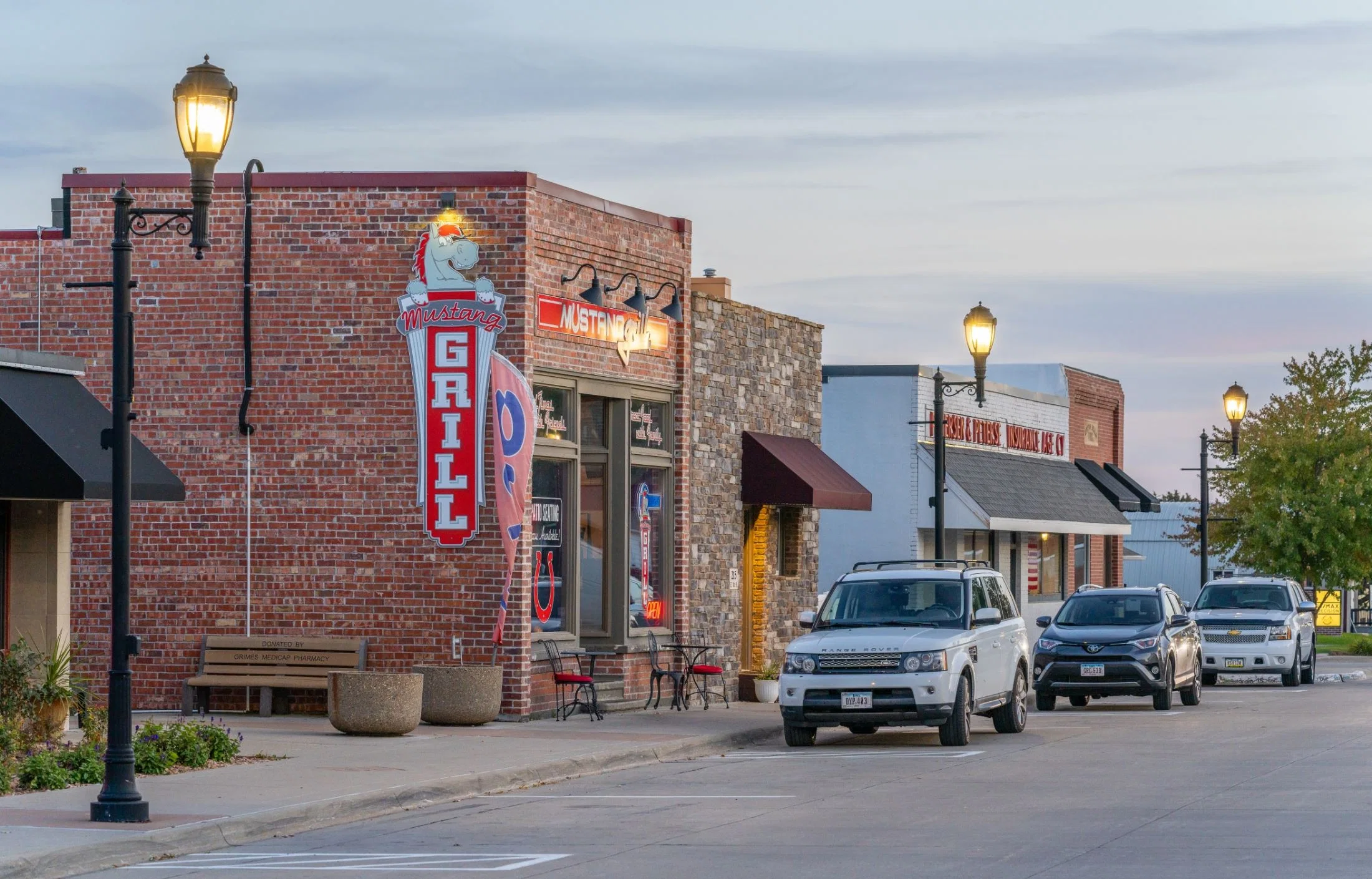
Sherman Hill's historic mansions, churches, and converted buildings near downtown face long sub-zero stretches, so the work centers on deck condition and field seams.
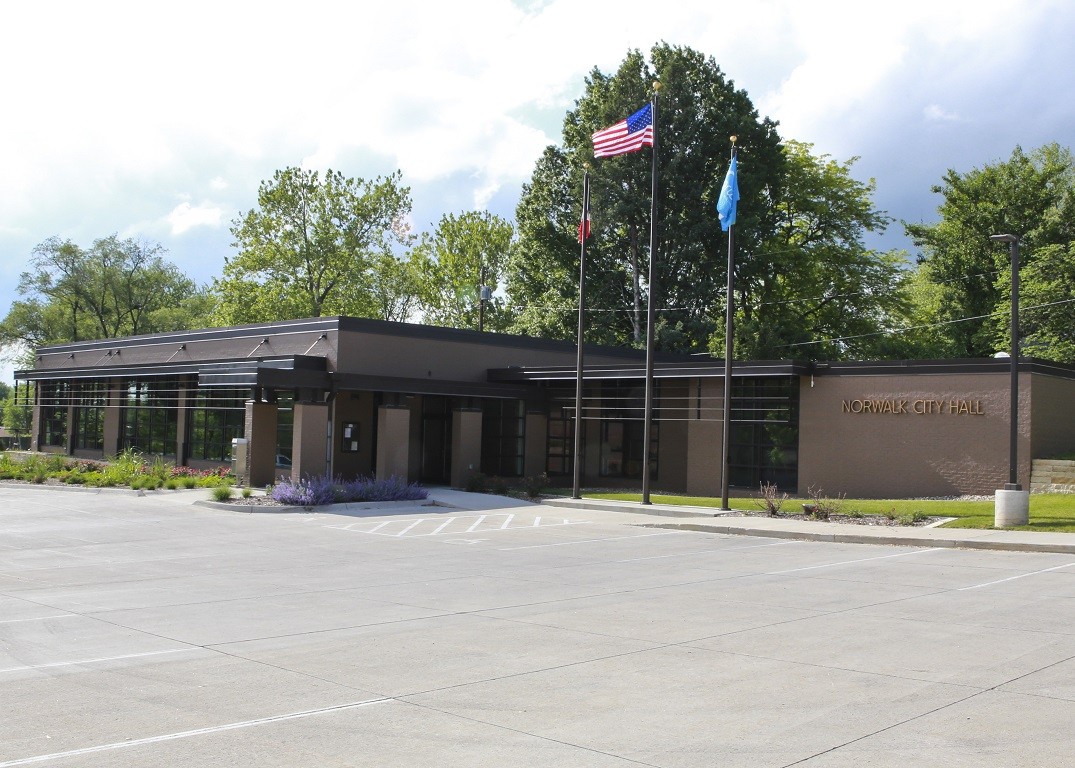
Just south of the metro, Norwalk's growing retail and office buildings get crews who plan around tight access and the heavy, wet snowfalls that mark a winter here.
The new mixed-use and corporate buildings of Waukee's Kettlestone district lean on edge metal, coping, and parapet terminations built for gusty spring fronts.
Out in Dallas County, Adel's retail strips and small shops west of the metro get scopes that put the membrane field and hail resistance ahead of any cosmetic touch-up.
On the east side's heavy manufacturing and warehouse stock, crews work tight access and the wind-driven rain against exposed parapets that defines a storm season here.
Highland Park's older north-side commercial buildings let repeated hard freezes drive meltwater toward the flashings well before owners notice a stain.
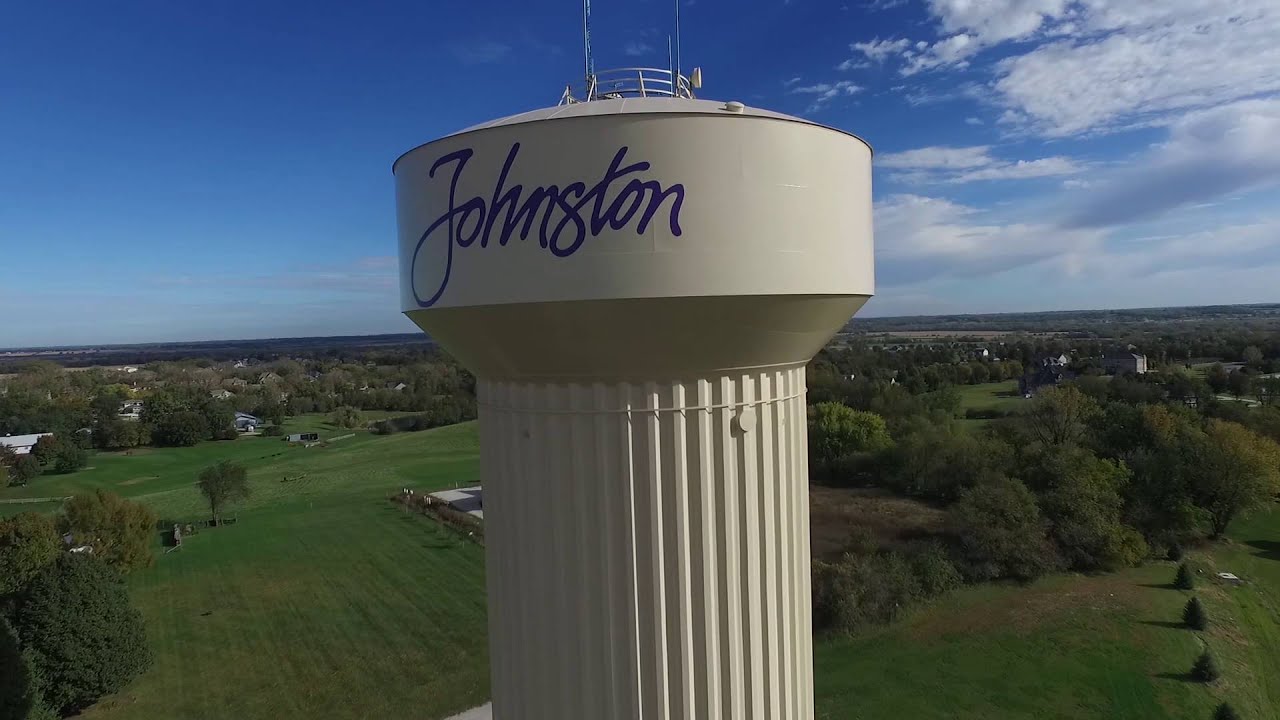
Johnston's corporate offices and flex buildings north of the river put their seam welds and fastening rows squarely in the path of Iowa freeze-thaw.
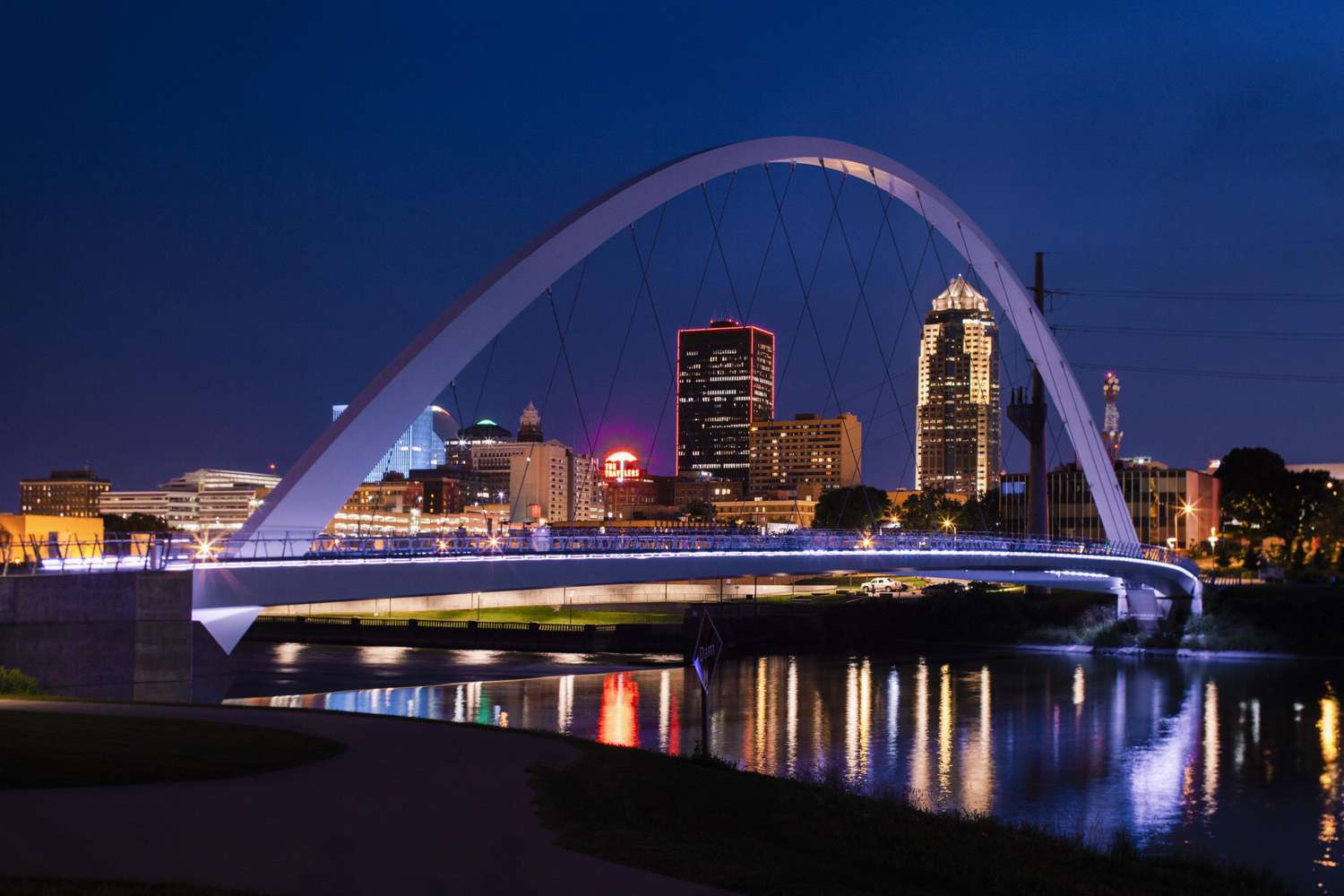
The offices, restaurants, and shops along Ingersoll Avenue show edge-metal and drainage trouble the moment freeze-to-thaw swings settle in for the season.
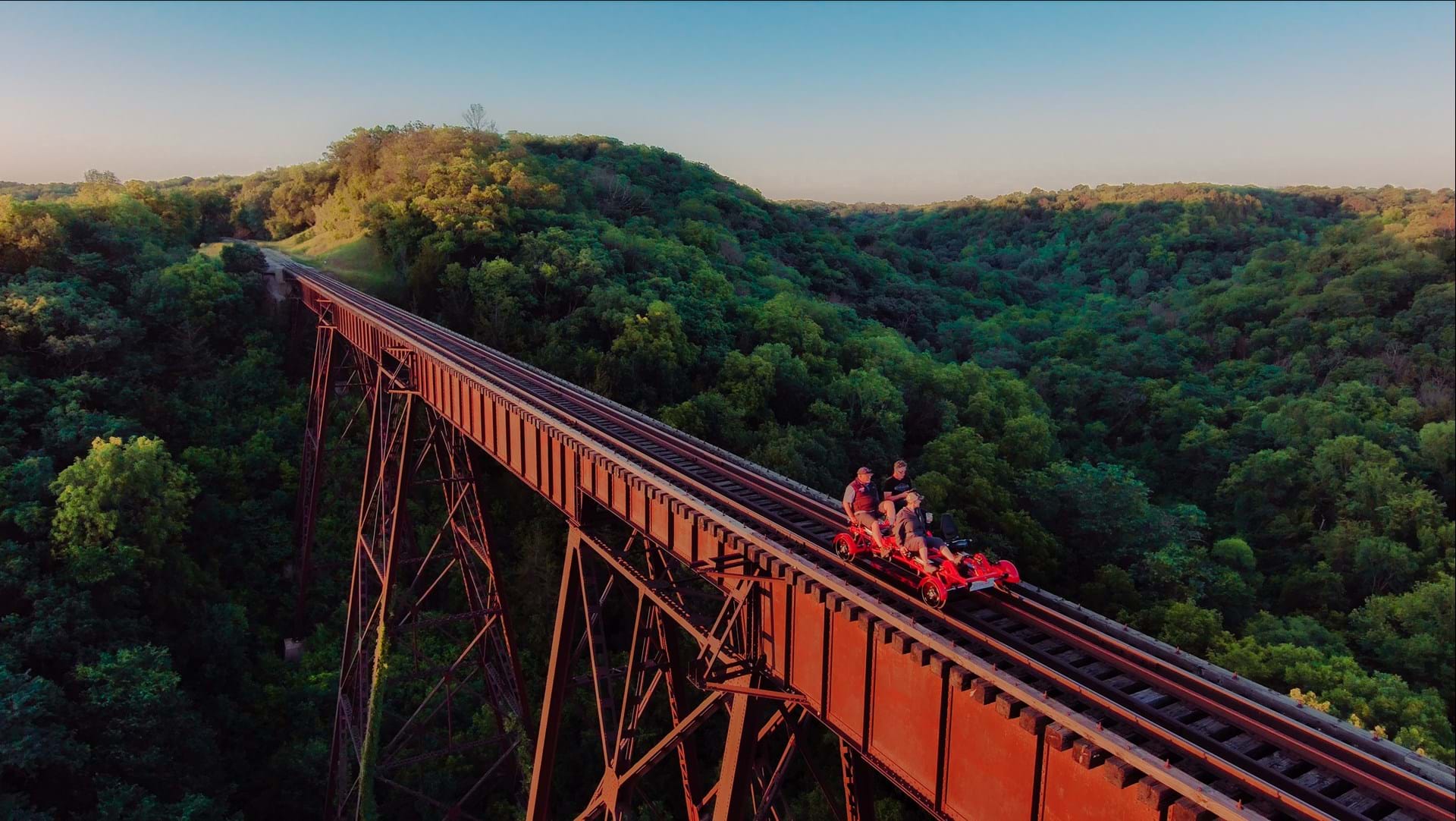
Around Drake, the university buildings and mixed-use blocks need roof planning that respects how the January-to-July swing works on rooftop equipment supports and walk pads.
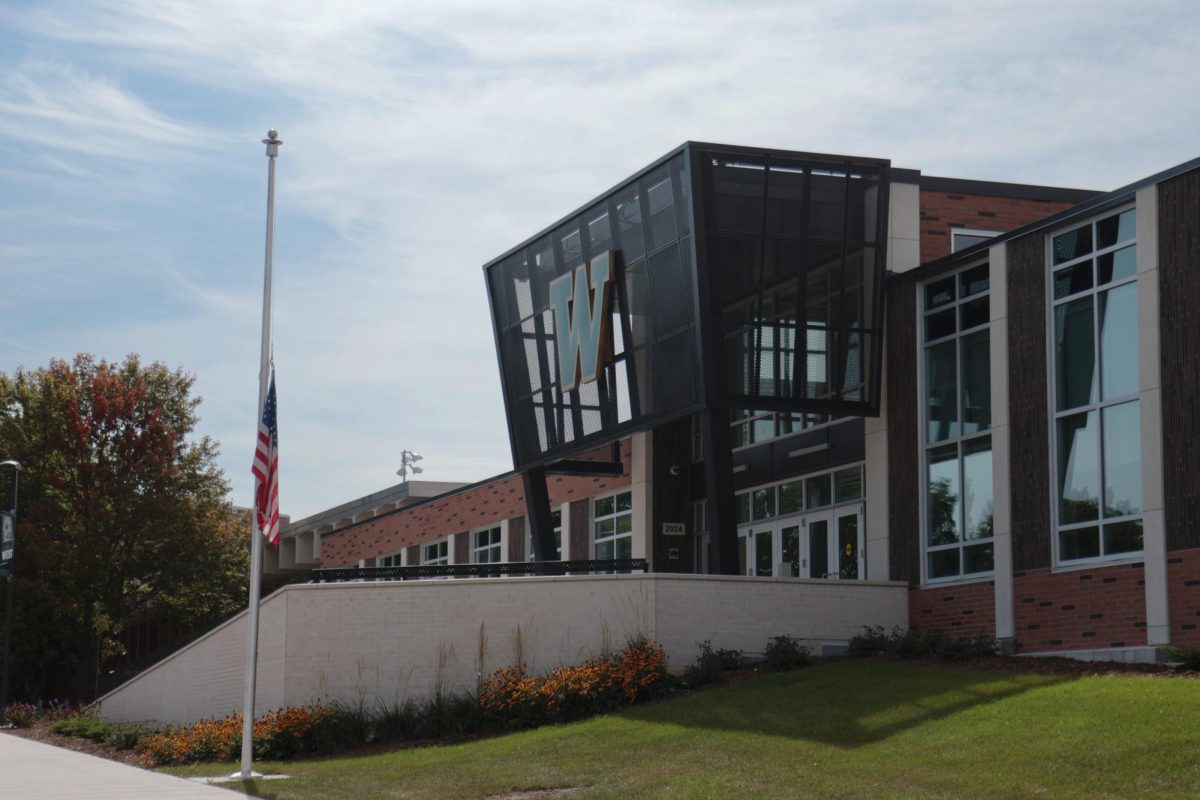
West Des Moines's corporate campuses, hospitals, and shopping centers stay dry through long sub-zero stretches only when the scuppers and drainage are rebuilt and kept clear.
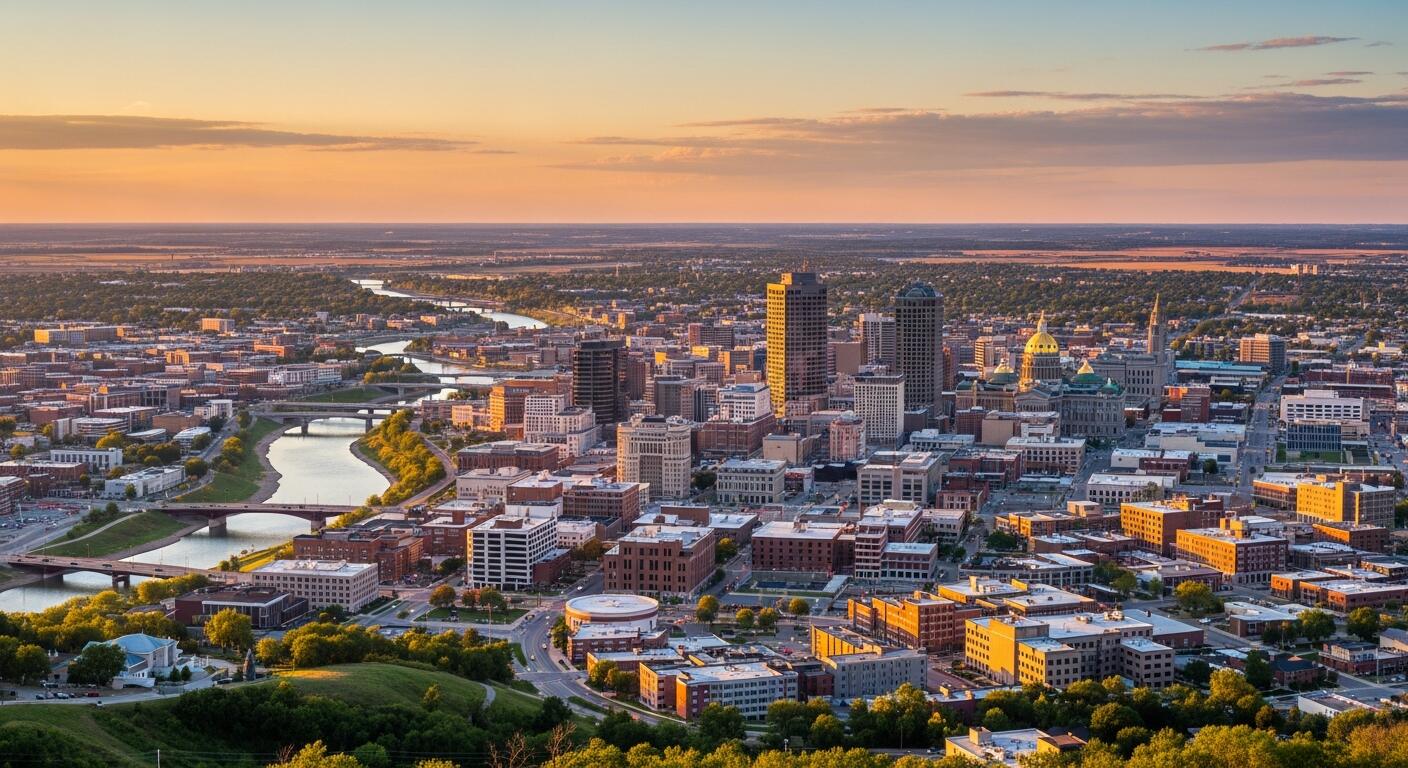
Near the international airport, hangars, freight buildings, and offices get low-slope scopes with access matched to airfield traffic and the abrupt freeze-to-thaw swings overhead.
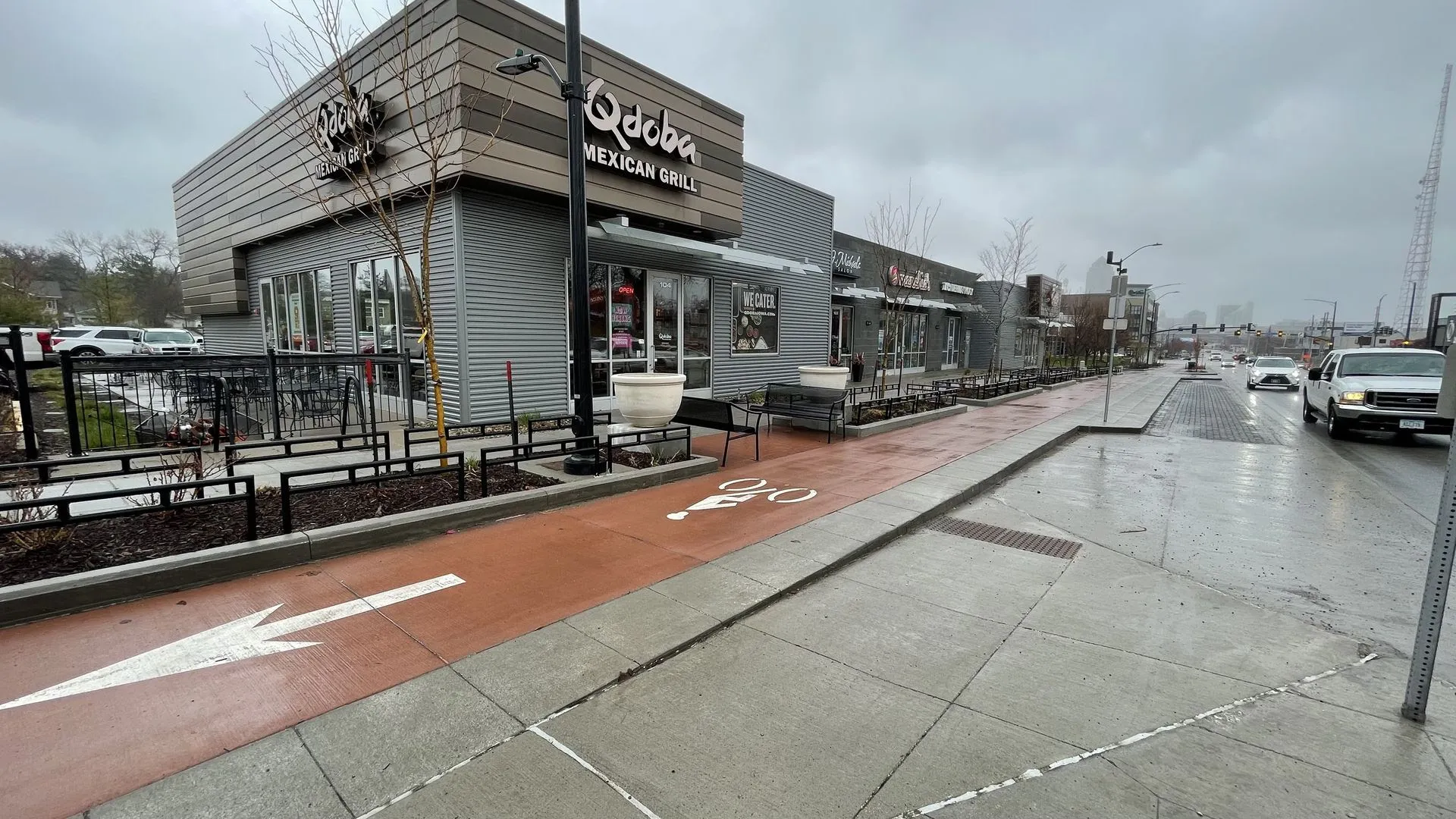
Around the sculpture park west of downtown, the offices and cultural buildings get crews working tight access and the deep cold and rooftop snow that define the season.
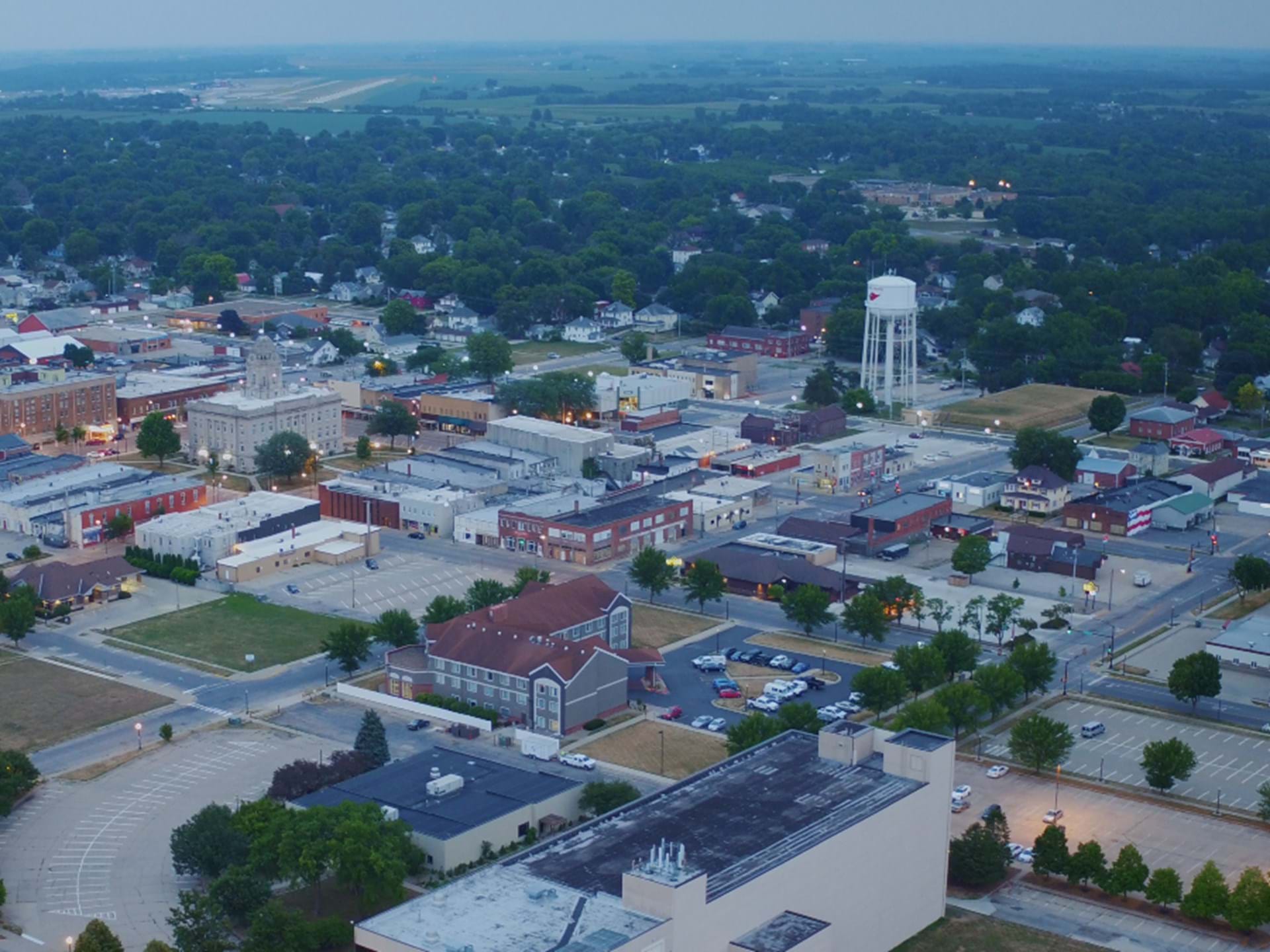
Out east in Jasper County, Newton's manufacturing plants and downtown buildings get scopes that weight the membrane field and wind resistance over cosmetic fixes.
In the East Village, we document the seam welds on renovated lofts, shops, and restaurants east of the river before freeze-thaw turns a small defect into a steady drip.
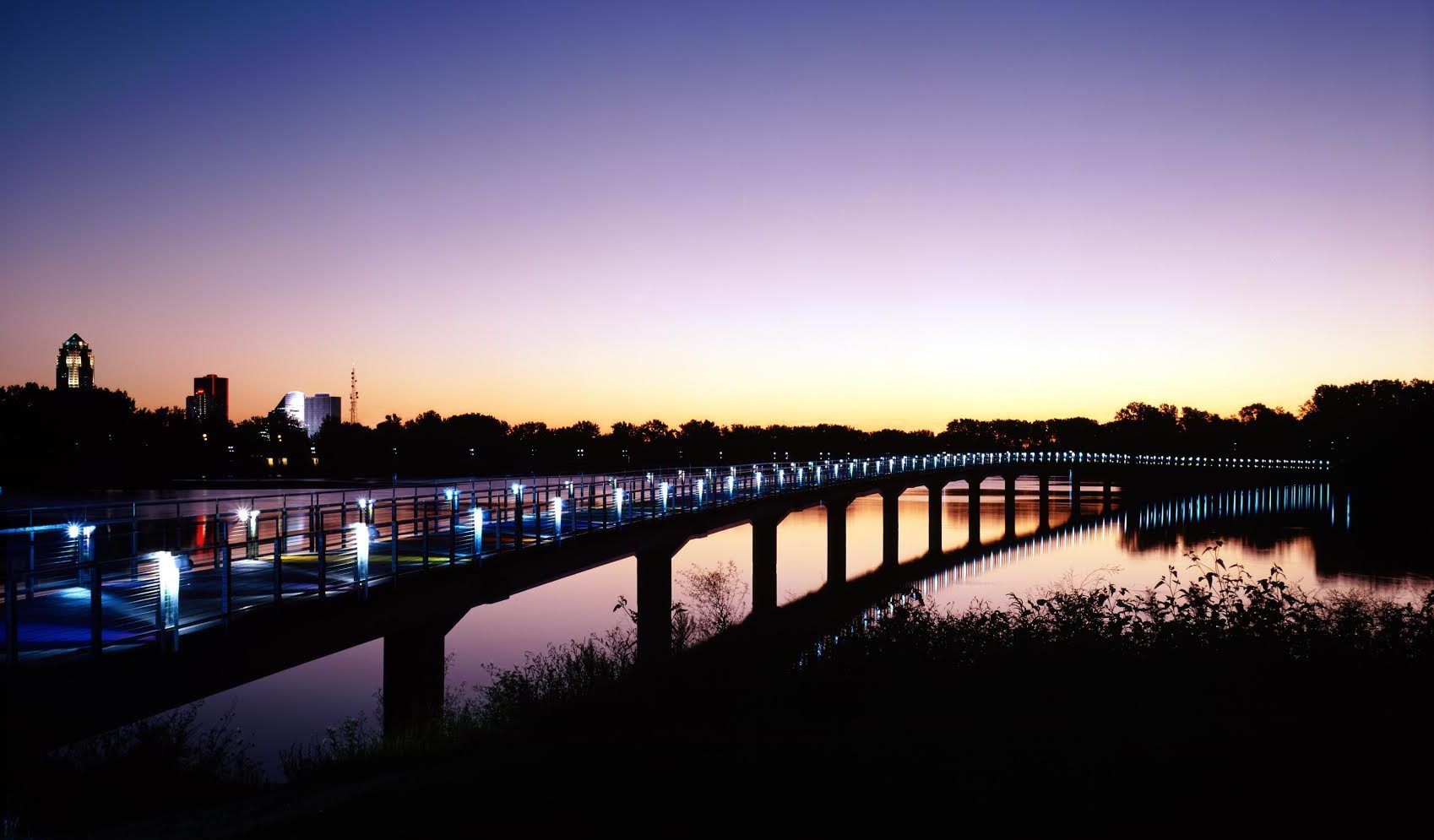
In the southeast industrial belt, the warehouses, plants, and truck docks get low-slope scopes with access matched to dock traffic and the spring storms off the plains.
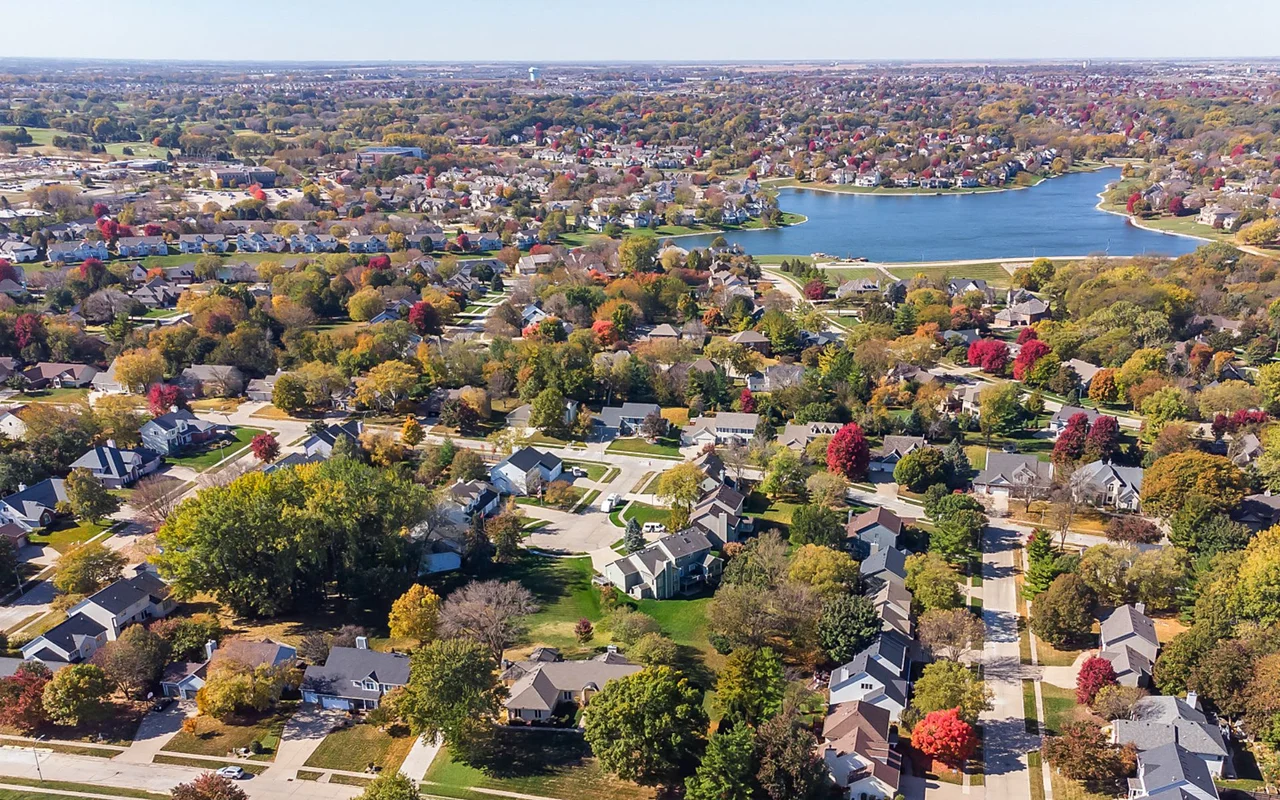
Near Gray's Lake south of downtown, the offices and recreation buildings carry decks that simply have to shed summer hail without ponding.
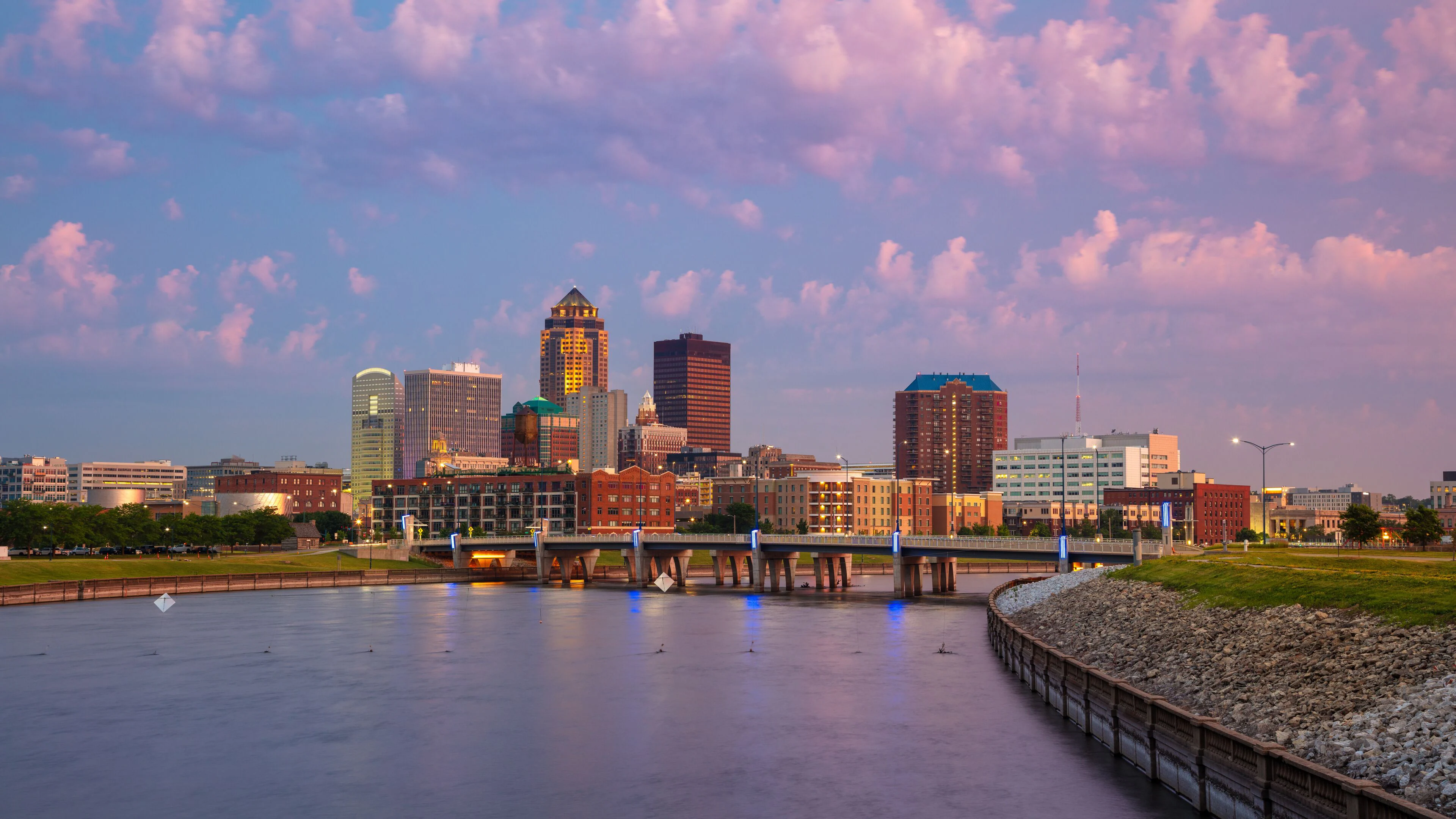
On the booming west side, Waukee's retail, office, and data-center buildings get scopes that put the fastening pattern and hail resistance ahead of cosmetic concerns.
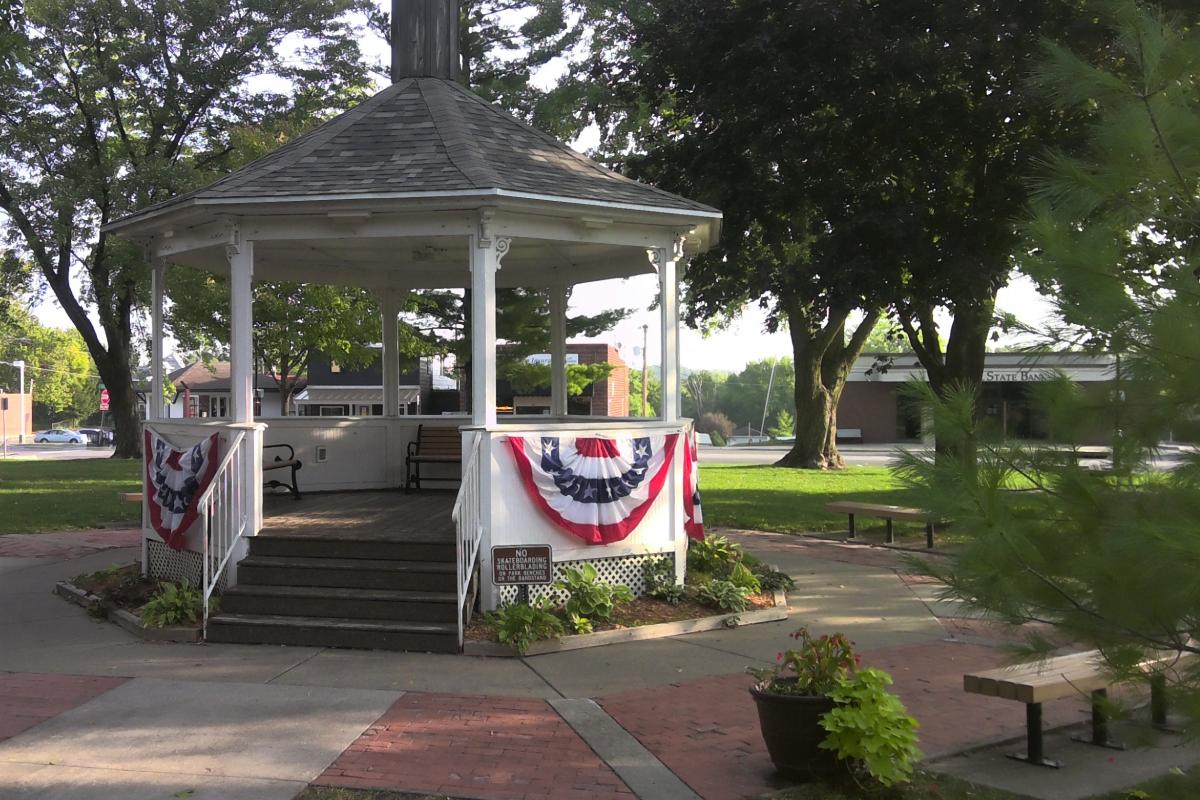
North of Saylorville, Polk City's small-town shops and lakeside buildings need decks detailed for the wind-uplift forces that open Iowa terrain throws at a roof.
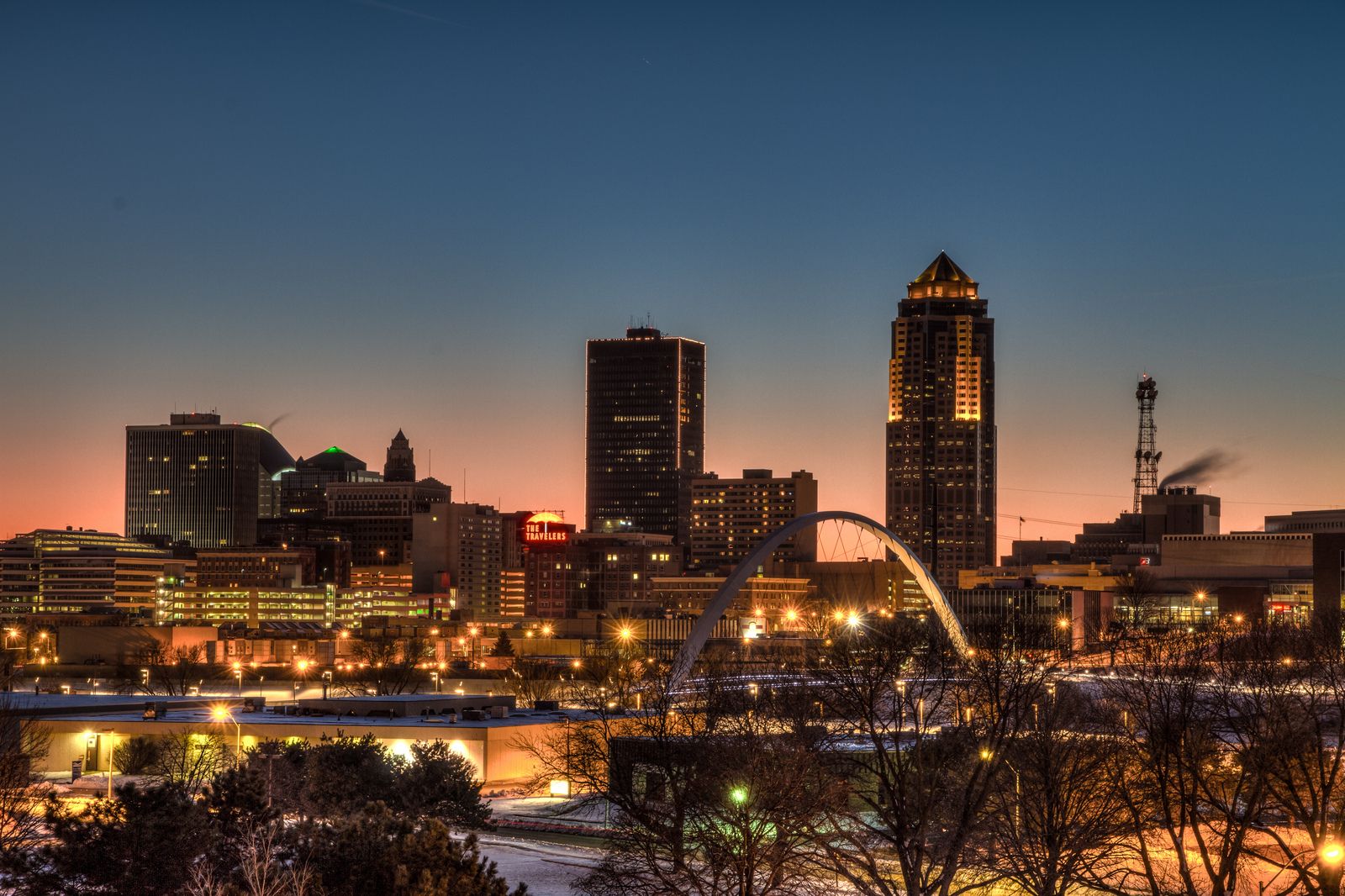
Bondurant's new distribution and light-industrial buildings northeast of the metro show field-weld and wet-insulation trouble the moment late-season ice dams form at the drains.
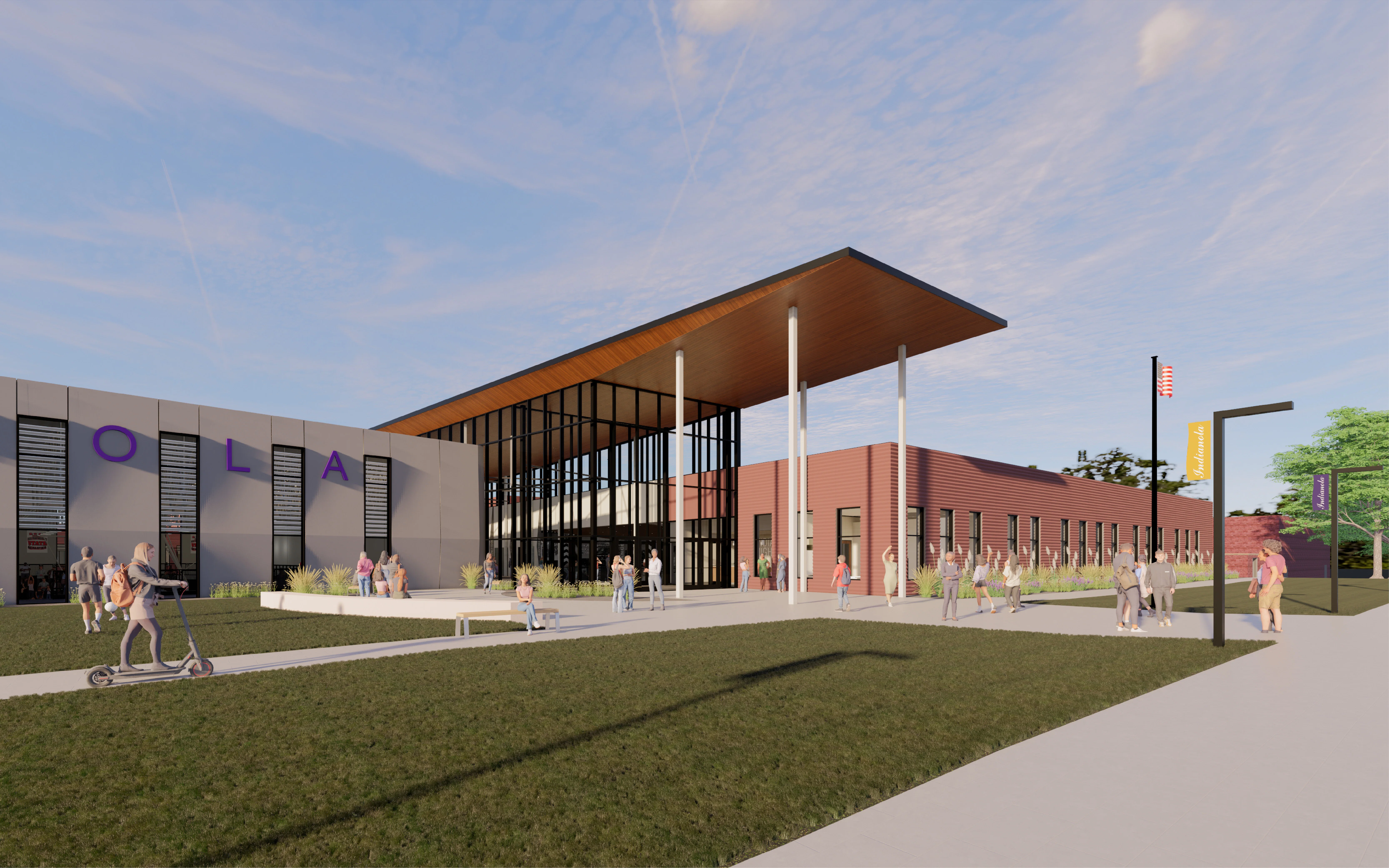
Down in Warren County, Indianola's storefronts, schools, and small plants face tornado-season winds that test the perimeter edge and corner uplift zones first.
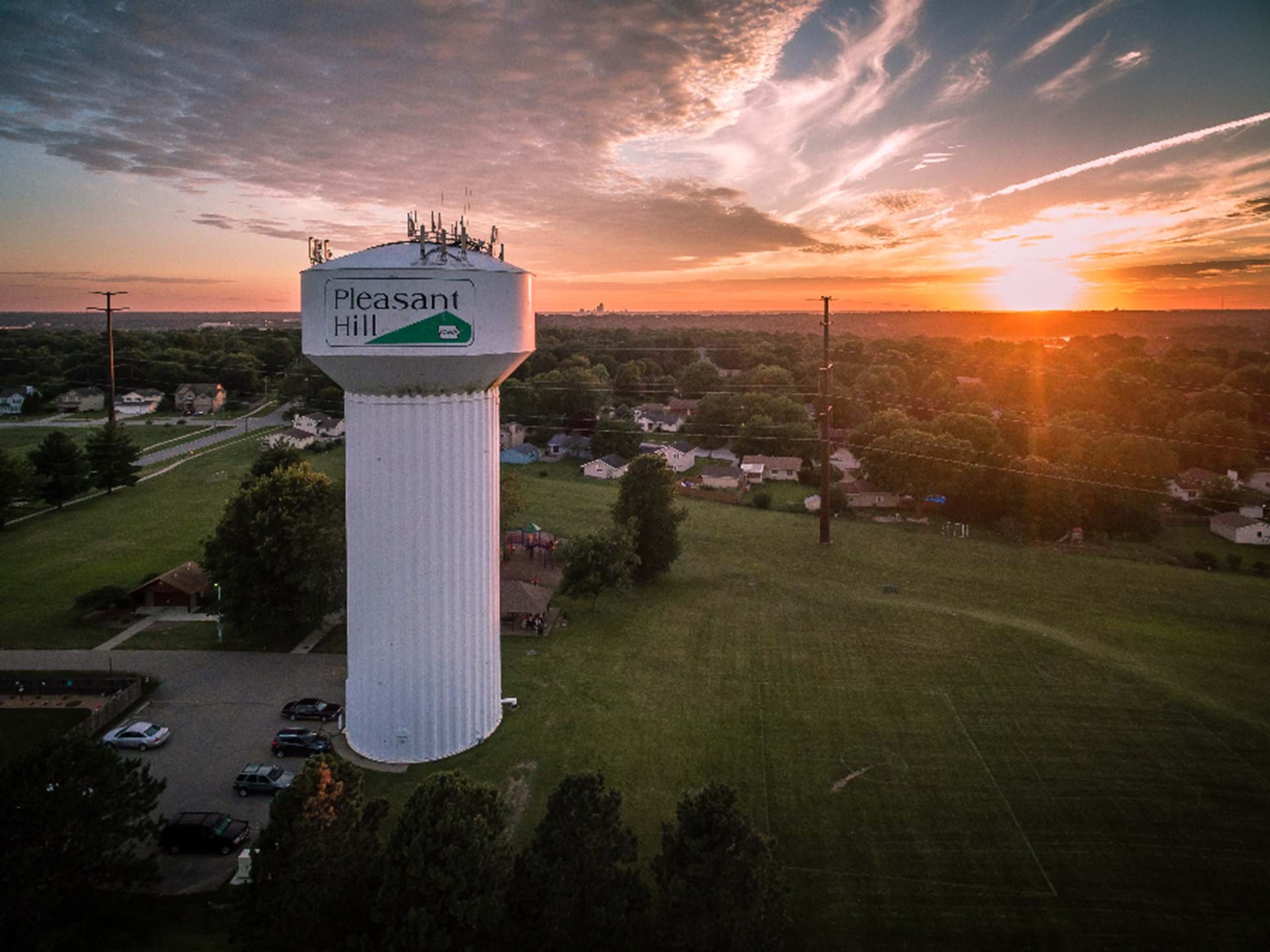
On the metro's east edge, Pleasant Hill's newer retail and industrial buildings stay dry through eave ice ridging only when the edge metal and drains are kept clean.

River Bend's older commercial and institutional buildings north of downtown get work sequenced around tenants, parking, and the strain of humid, high-sun summers.
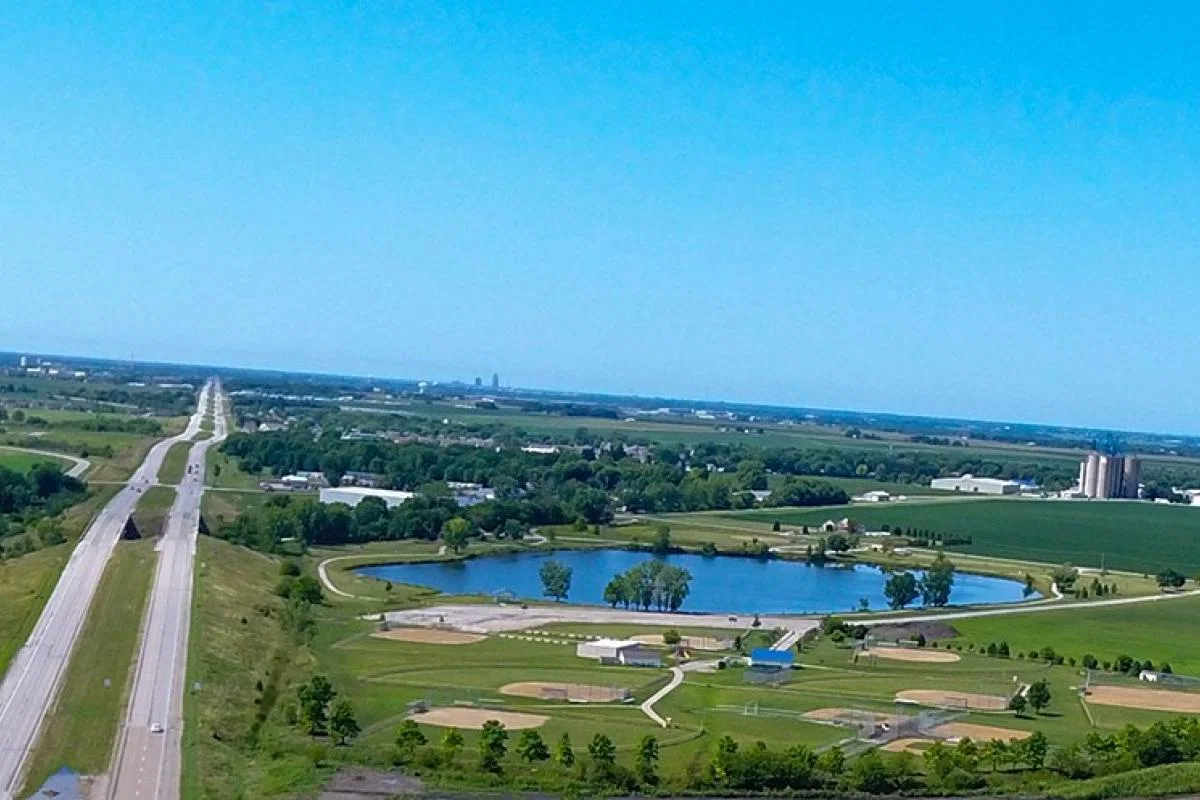
In the city core, roofing for the downtown towers, warehouses, and industrial blocks focuses on curbs, pipe boots, and field welds that take the brunt of gusty spring fronts.
Downtown's high-rises, parking decks, and converted warehouses stay dry through punishing freeze-thaw only when the scuppers and drainage paths are kept clear and rebuilt.
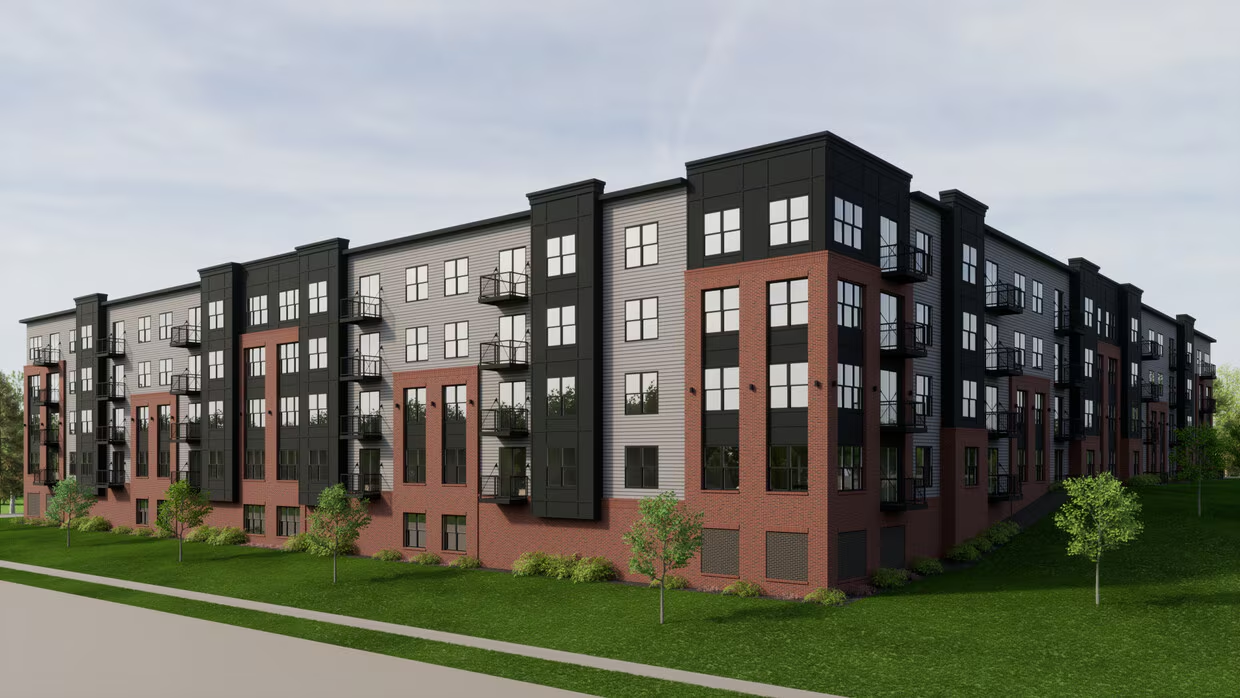
In the close-in suburb of Windsor Heights, small commercial buildings get roof work sequenced around tenants, parking, and the tornado-season winds that arrive each spring.
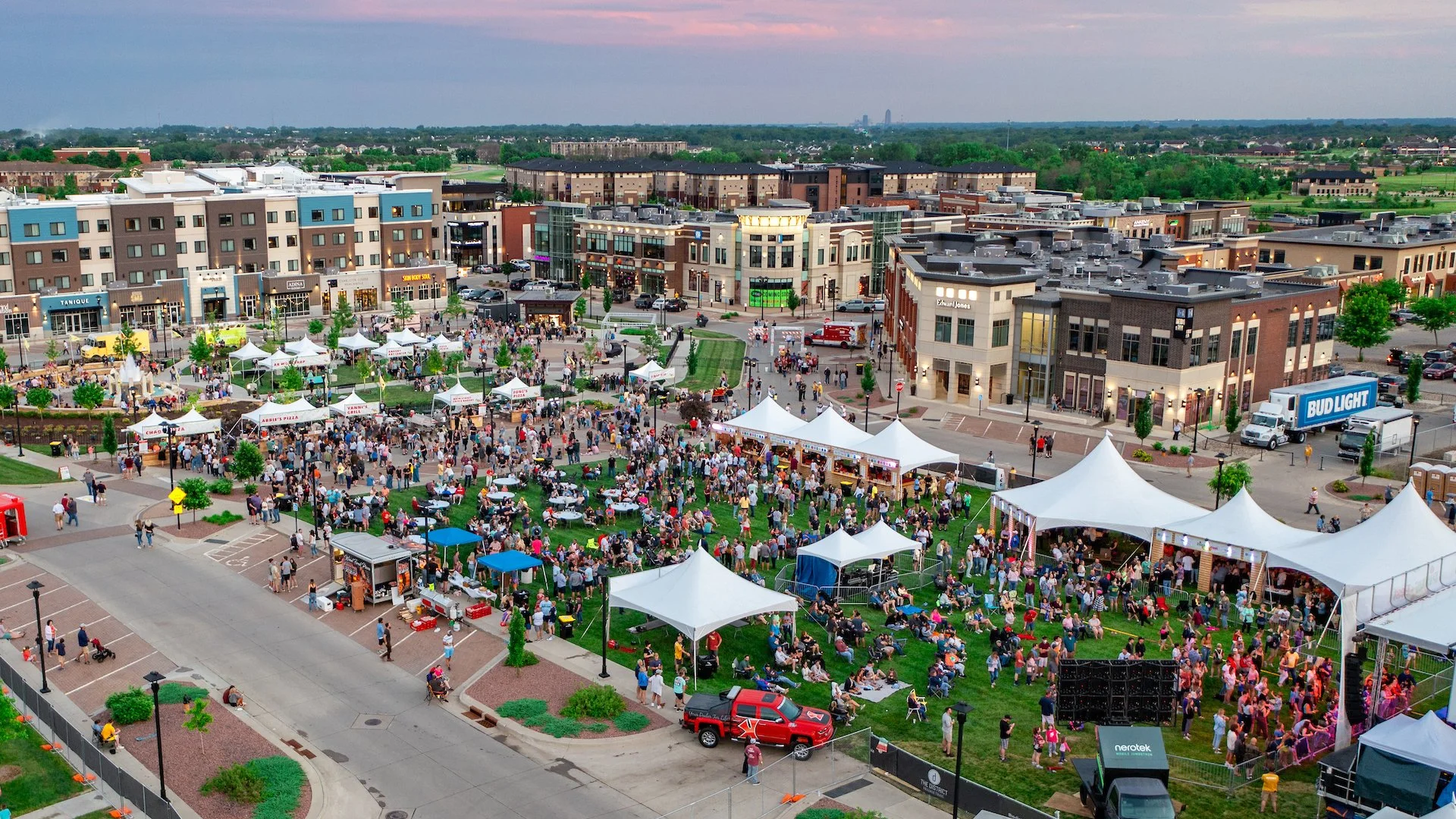
Fast-growing Ankeny is full of office parks and big-box centers off Interstate 35, where roof work has to be sequenced around tenants, parking, and the January-to-July swing.