
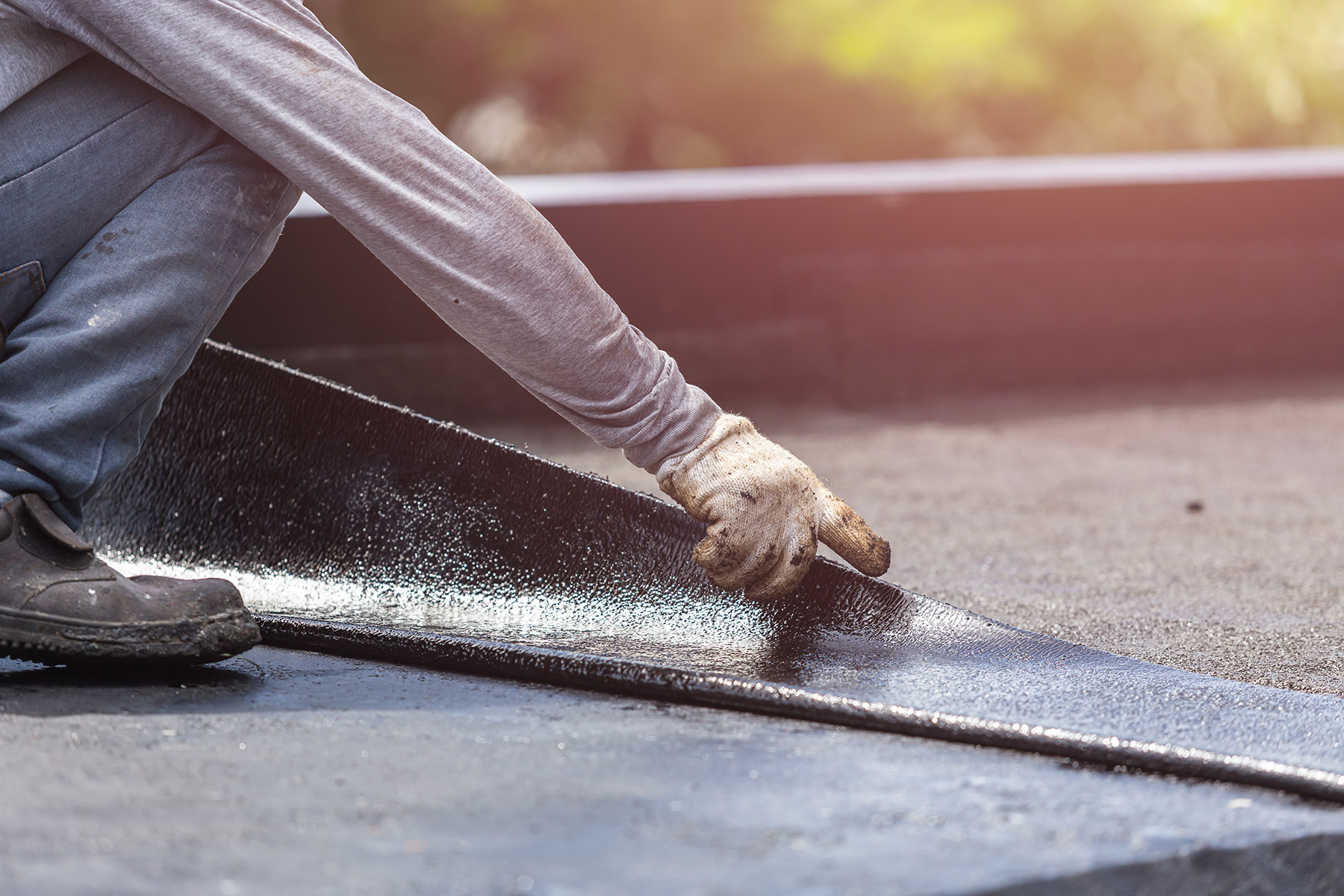
Cleanroom HVAC curbs, corrosive exhaust, and zero tolerance for a leak over sensitive equipment — lab and pharma roofing handled with the documentation these buildings demand.
Why a Lab Roof Is Not a Commercial Roof With Stricter Paperwork
A leak over a warehouse is an inconvenience. A leak over a compounding suite, a clinical lab bench, or a stability chamber can mean a quarantined batch, a regulatory notification, and remediation that costs more than the entire roof. That single fact changes everything about how a pharmaceutical or laboratory roof gets planned, sequenced, and closed out. We treat these projects as risk-elimination work, not maintenance, because the building's tolerance for a wet ceiling is effectively zero.
Greater Des Moines has a real concentration of this work. The bioscience and ag-biotech corridor anchored around the Iowa State University Research Park and the BioConnect Iowa network feeds lab and pharma occupancy across the metro, from animal-health and veterinary pharmaceutical operations in the region to diagnostic and clinical labs near the Mercy and UnityPoint medical campuses and quality-control labs embedded in the food and ag-processing plants along the southeast-side industrial corridor. Each of these carries its own access rules, its own HVAC dependencies, and its own definition of an acceptable closeout package.
The Roof You Cannot See Through Is the Hard Part
Cleanroom HVAC and pressure differentials
Cleanrooms hold their classification by maintaining pressure differentials between spaces, and that air balance runs through rooftop supply and exhaust equipment sitting on curbs that penetrate the membrane. Any flashing work near those connections can disturb the balance if it is done carelessly. We coordinate penetration work near cleanroom HVAC with the facility's MEP team, schedule it into planned maintenance windows where possible, and confirm the room recovers its pressure differential before we consider that detail complete.
Corrosive exhaust over the membrane
Lab fume hoods and process exhaust push solvent, acid, or reagent vapor out through rooftop stacks. Those vapors can condense on the stack and drip onto the surrounding membrane, creating localized chemical attack that a standard warranty will not cover. We identify the exhaust stream chemistry with the facility before we specify anything in the drip zone, and we step the membrane up to a more chemical-resistant PVC formulation in the ring immediately around each stack rather than carrying one product across the whole roof.
The rooftop of an active lab or pharma building looks like a mechanical yard — classified-space air handlers, HEPA-filtered biosafety exhaust, chilled-water and process piping, and BAS conduit, all crowded together. Every one of those is flashed and documented individually. There is no shortcut detail that covers a cluster.
Access and Credentialing Start Before Mobilization
A crew that shows up to a regulated pharmaceutical site without pre-cleared credentials loses the day and can trigger a compliance event. We start the credentialing process during pre-construction — typically a couple of weeks ahead — so background checks, escort arrangements, and any controlled-area clearances are handled before the start date. For animal-health and research facilities we coordinate with the Environmental Health and Safety office and, where one exists, the Institutional Biosafety Committee, because the rules for working near biosafety exhaust are theirs to set.
For most lab and pharma roofs we specify a 60-mil PVC membrane for its chemical resistance, stepped up around exhaust stacks as described above. Where roof insulation is being replaced over conditioned, tightly controlled interior spaces, vapor drive and thermal continuity matter more than on a typical building, so we design the assembly around the actual interior conditions rather than a default R-value. Adhesives and primers are selected with the same care, because solvent-heavy products are not always acceptable near sensitive air intakes.
The Closeout Package Is Part of the Deliverable
Pharmaceutical facility management does not accept a handshake and a warranty card. We provide the full package these buildings expect: contractor qualification records, the site-specific safety plan, material submittals reviewed by the facility engineer, daily work reports, manufacturer installation documentation, FM or UL system certification where required, and registered NDL warranty paperwork. We work inside the facility's own document-control process for submission and approval so the records land where the quality team needs them.
What We Handle on Lab and Pharma Roofs
Pharmaceutical & Laboratory Roofing Questions
We begin credentialing during pre-construction, usually two to three weeks before mobilization, so the full crew clears background checks and any controlled-area requirements before the start date. Escort rules and access restrictions go into the pre-construction plan, so nobody loses a mobilization day standing at a locked door.
A 60-mil PVC is our baseline for lab and pharma roofs because it is the most chemical-resistant single-ply available. Where solvent or acid exhaust stacks are present, we identify the exhaust chemistry, check it against the manufacturer's chemical-resistance guide, and step up to a more resistant membrane in the ring around each stack. Standard TPO does not belong next to that kind of exhaust.
Any flashing near cleanroom HVAC supply or exhaust connections can disturb the pressure differential if it is rushed. We coordinate that work with the facility MEP team, fit it into planned HVAC maintenance windows where we can, confirm the room recovers its differential afterward, and make sure no debris reaches air paths above the classified envelope.
Yes. Research and animal-health labs raise the same access and coordination questions, often with multi-tenant suites that each run their own HVAC and biosafety exhaust. We coordinate with the Environmental Health and Safety office and the Institutional Biosafety Committee where one exists, since they set the rules for working near those stacks.
The full regulated-facility package: contractor qualification records, the site-specific safety plan, material submittals reviewed by the facility engineer, daily reports, manufacturer installation documentation, FM or UL certification where required, and registered NDL warranty paperwork — all submitted through the facility's own document-control process.
What to send before the roof walk
Send the roof address, leak photos, roof age if known, access instructions, tenant limits, prior reports, and the deadline driving the decision. That lets the first visit focus on the roof condition instead of chasing basic context.
Questions Owners Ask
Can this work happen while the building is occupied?
Often yes. The scope should cover access, safety, dry-in, staging, noise, interior protection, and the times when tenants or operations cannot be interrupted.
What changes the cost most?
Wet insulation, deck condition, edge metal, layer count, access, roof size, code triggers, weather timing, and the amount of repeated damage usually move the cost.
How is the condition documented?
The roof file should include photos, locations, material notes, observed defects, temporary repairs, remaining deficiencies, and recommended next steps.