Industry Roof Planning
Commercial roof documentation for owners, operators, managers, and facilities teams with different access, uptime, and compliance needs.

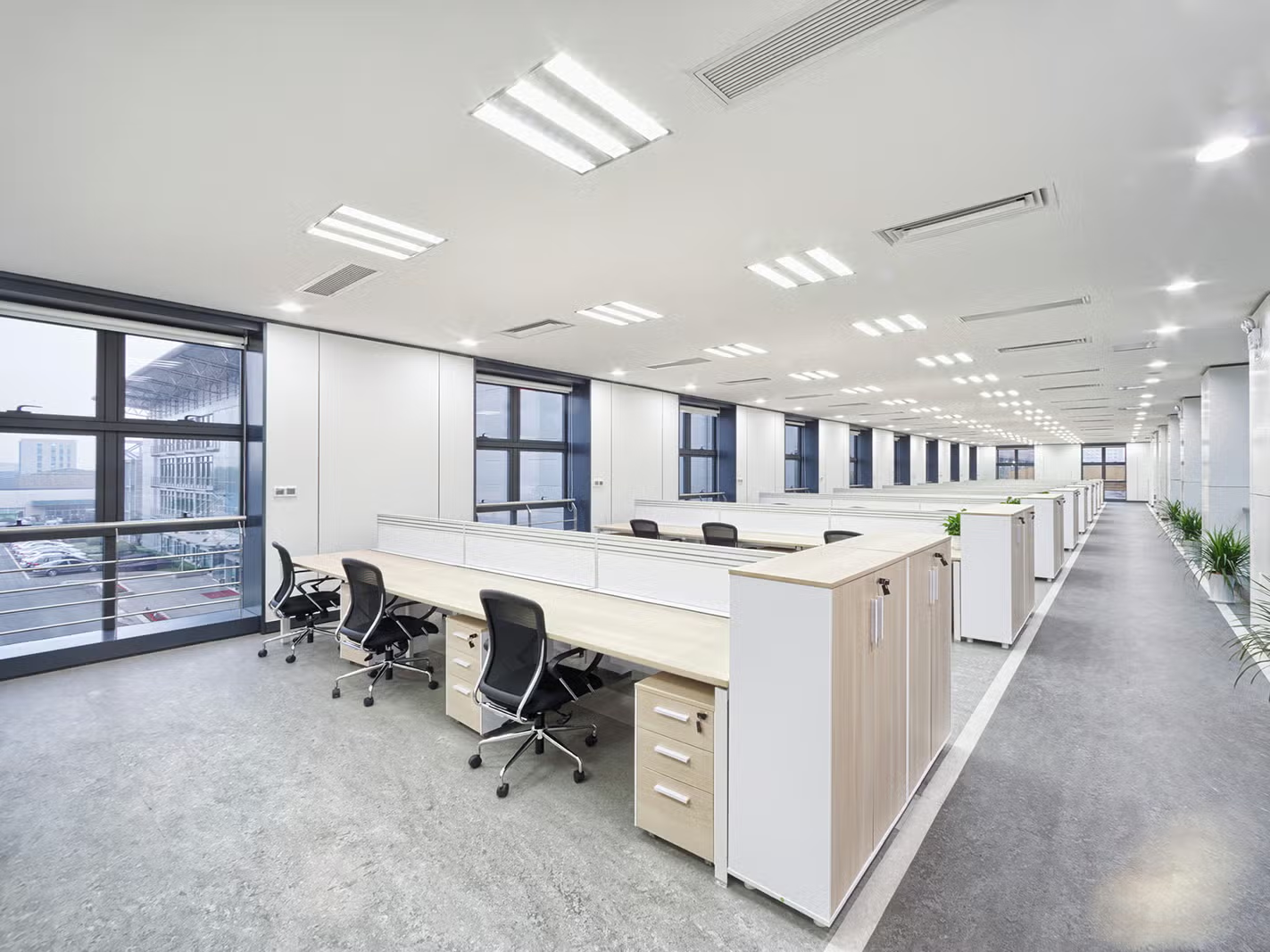
Commercial roof documentation for owners, operators, managers, and facilities teams with different access, uptime, and compliance needs.
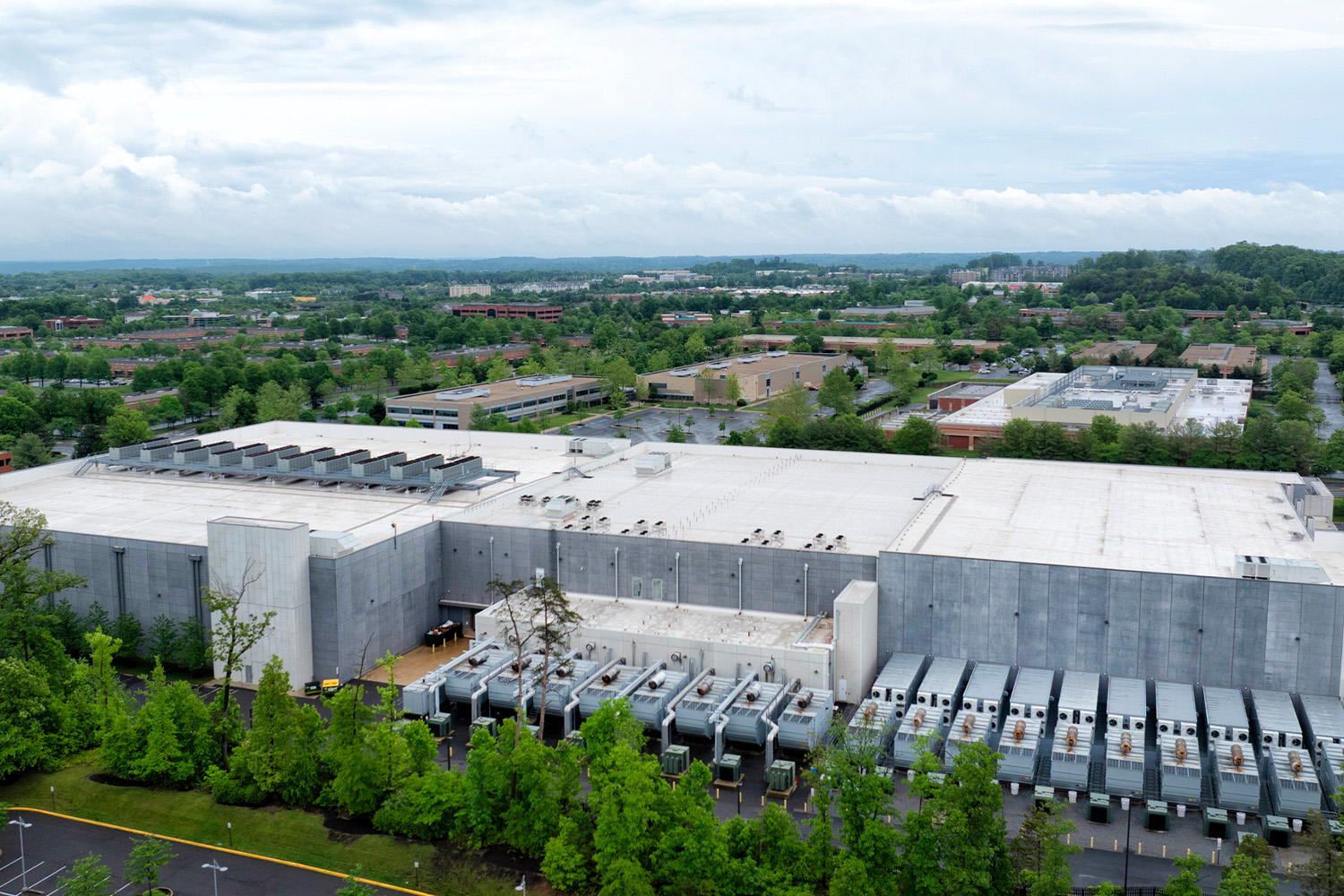
Data centers cannot tolerate surprises, so condition work maps ponding and drain performance to a capital plan that already accounts for the wide January-to-July swing.
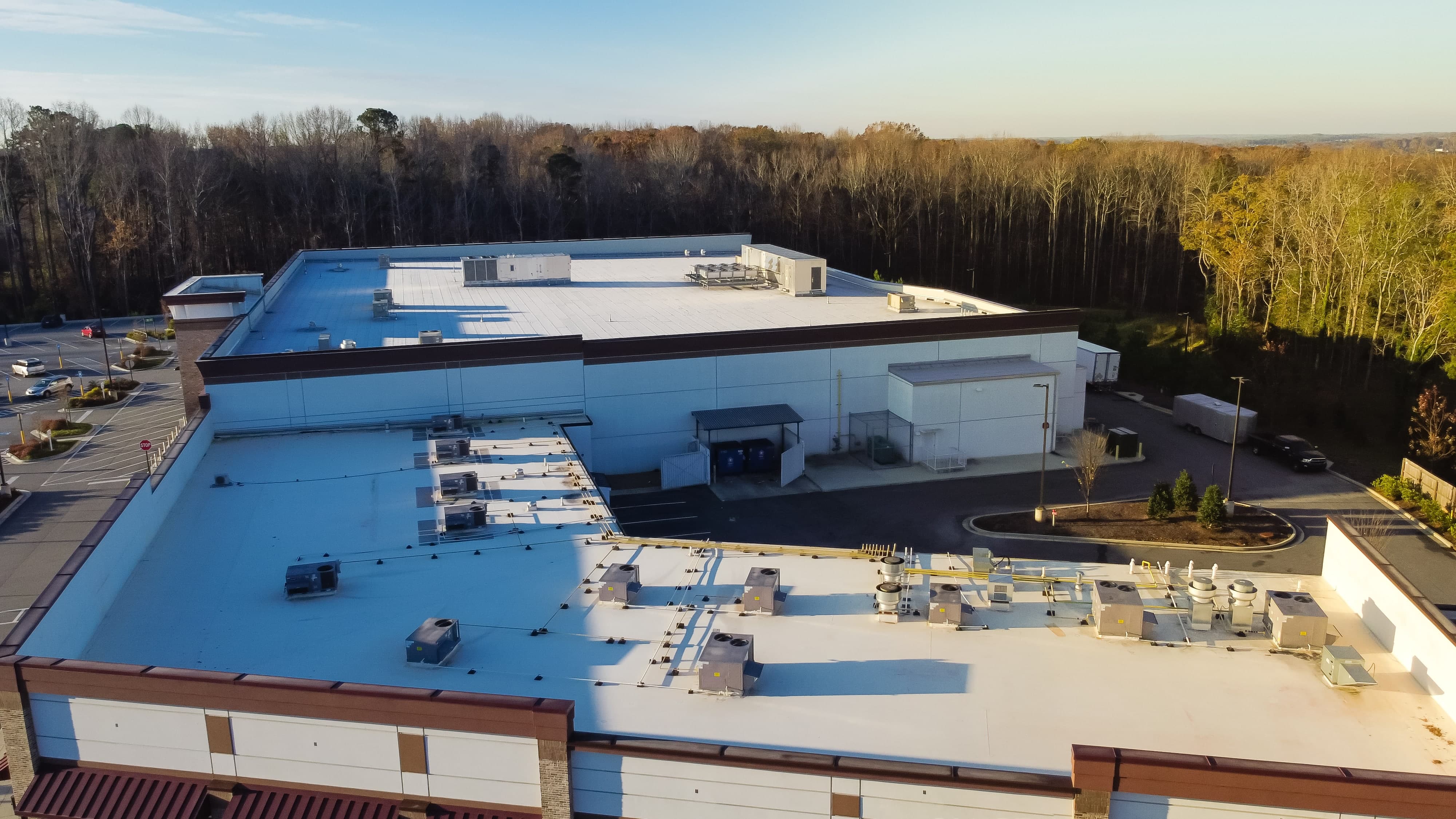
Retail chains need roofs that hold to plan, so we monitor edge metal, coping, and parapet terminations and flag what eave ice ridging will reach first.
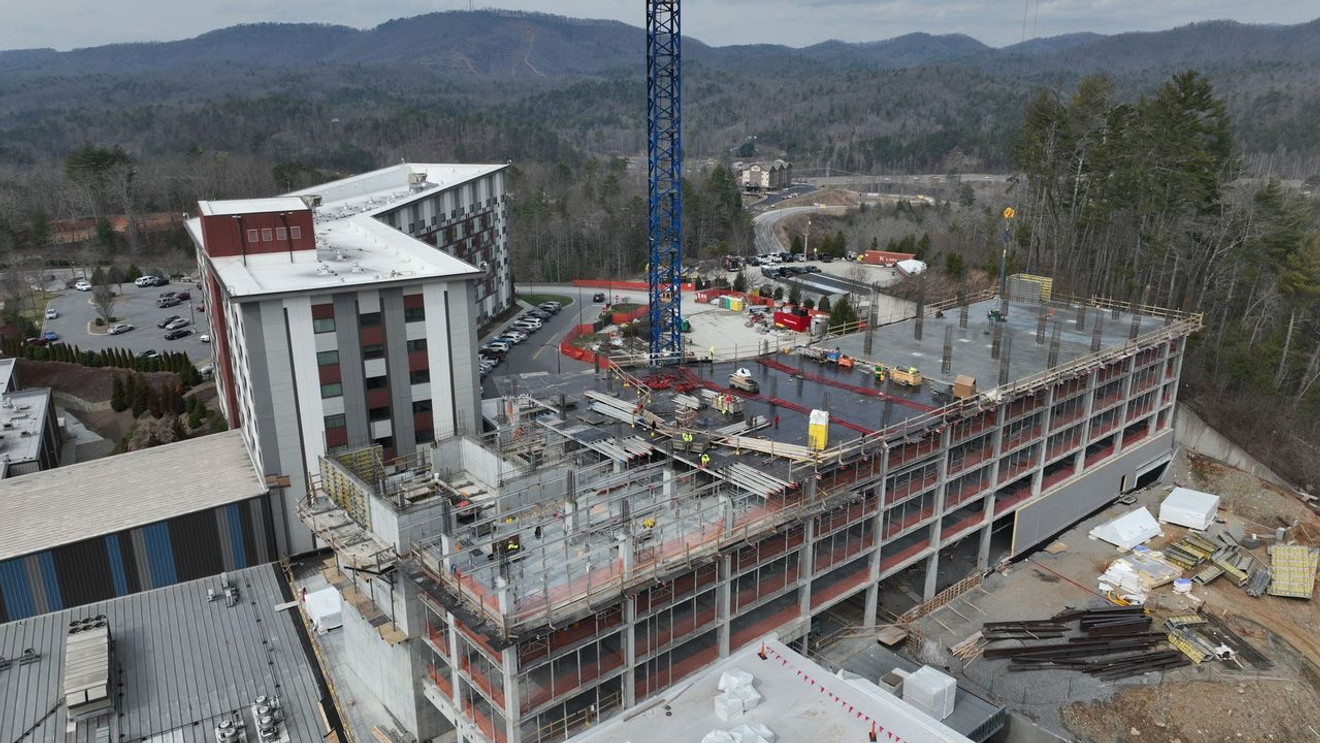
Hospitality groups weigh every roof dollar against guest experience, so a plan that survives the January-to-July swing comes well before any cosmetic upgrade.
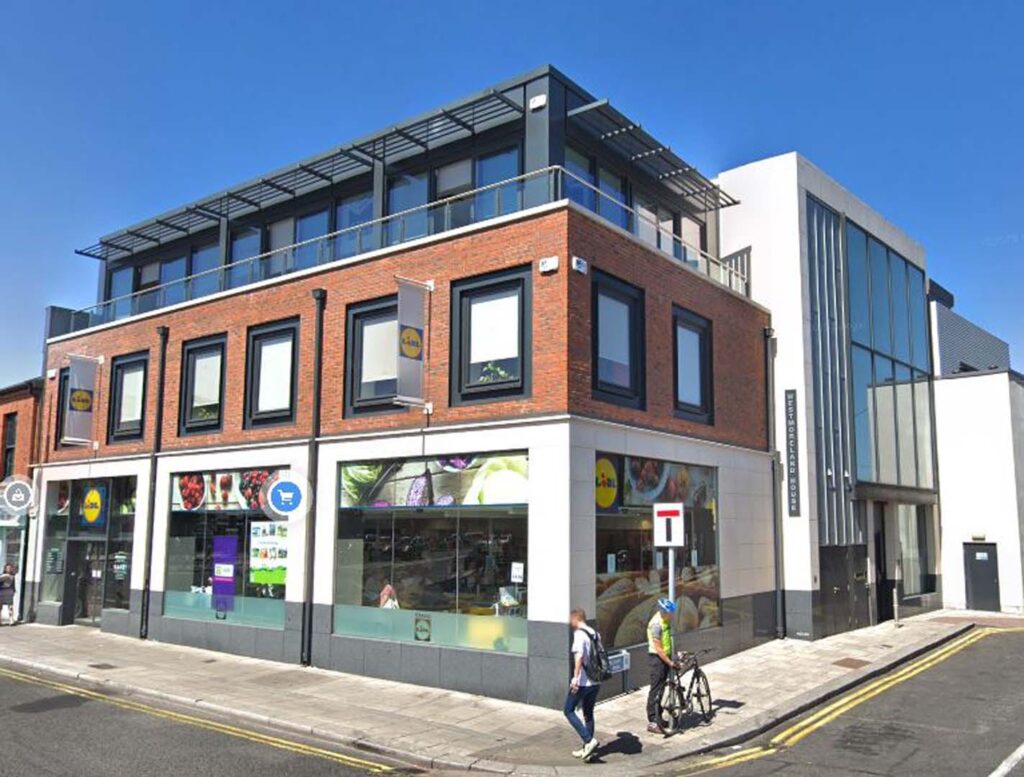
For property managers, a roof problem becomes a tenant problem, so Central Iowa work prioritizes the perimeter details most likely to halt business below.
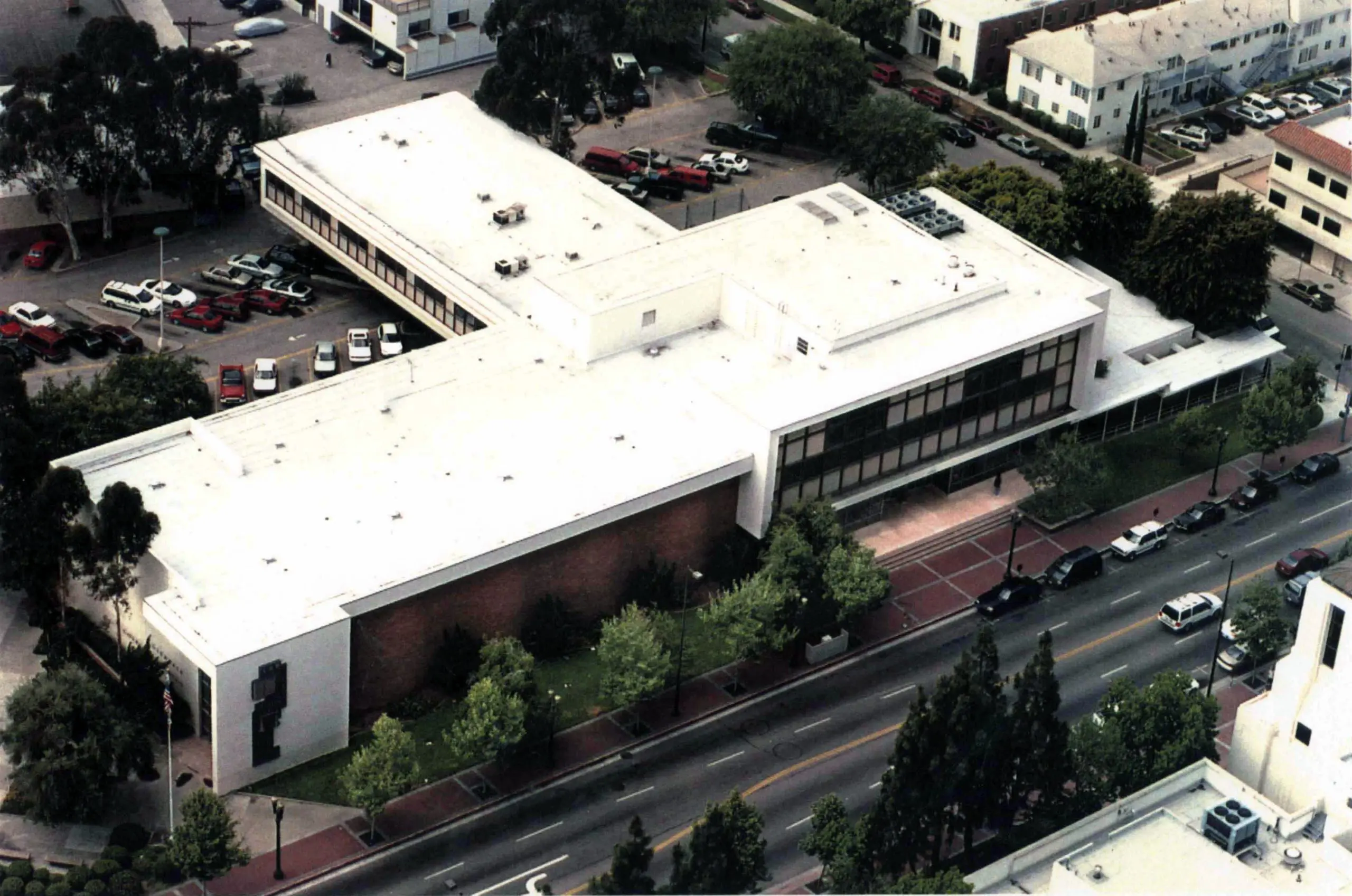
For public-sector facilities, a roof problem is an operations problem, so the work prioritizes the edge metal and flashings most likely to interrupt a public service.
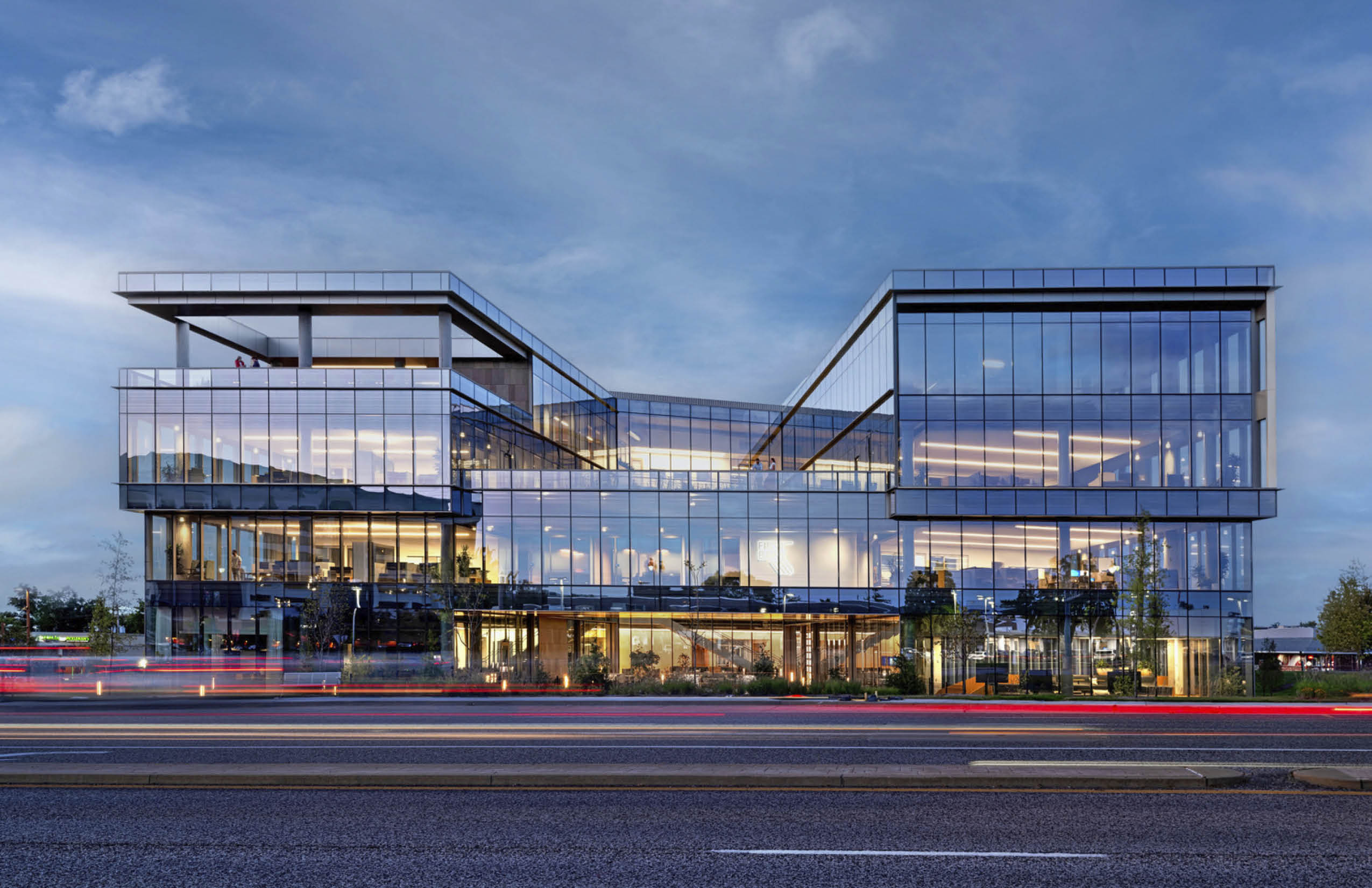
Downtime is the real expense for banks and insurers, so roof scopes here phase work at the fastening pattern and keep an eye on freeze-to-thaw swings on the calendar.
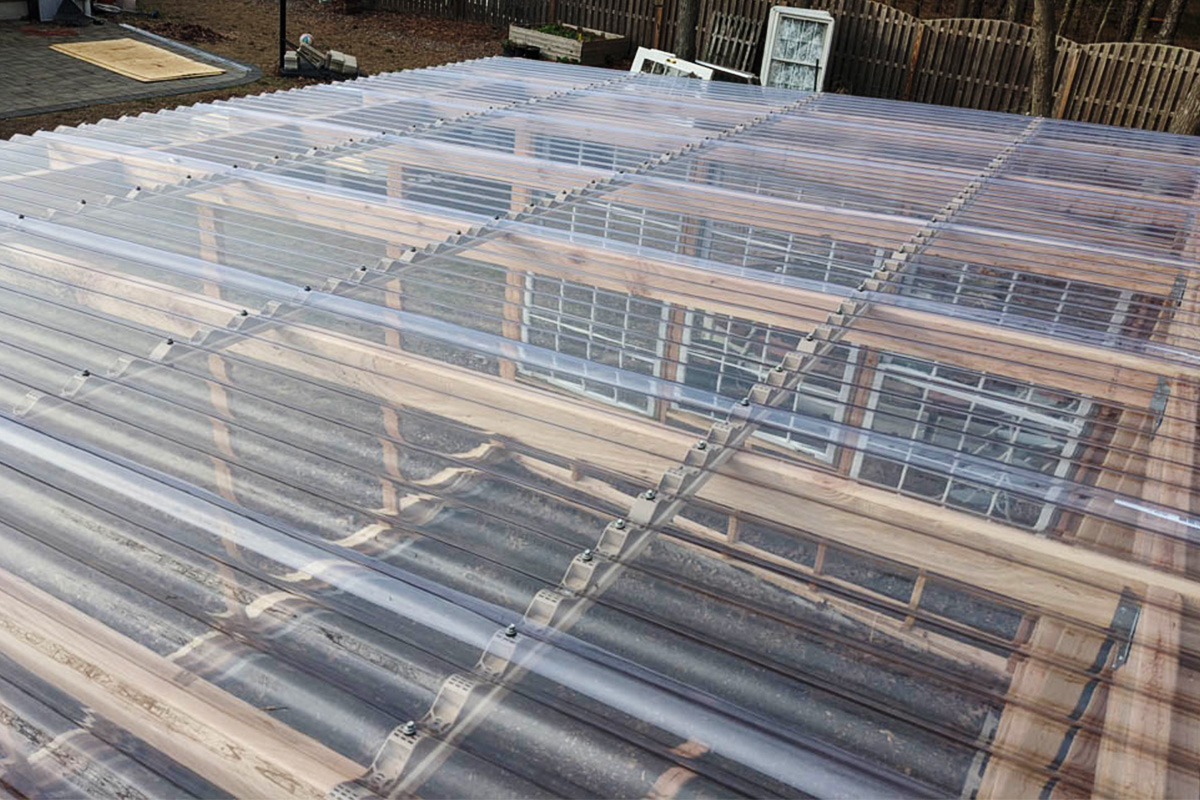
Food, ag-processing, and cold-chain plants run under strict sanitation rules, so we repair membrane seams and penetrations ahead of the wind and debris of tornado season.
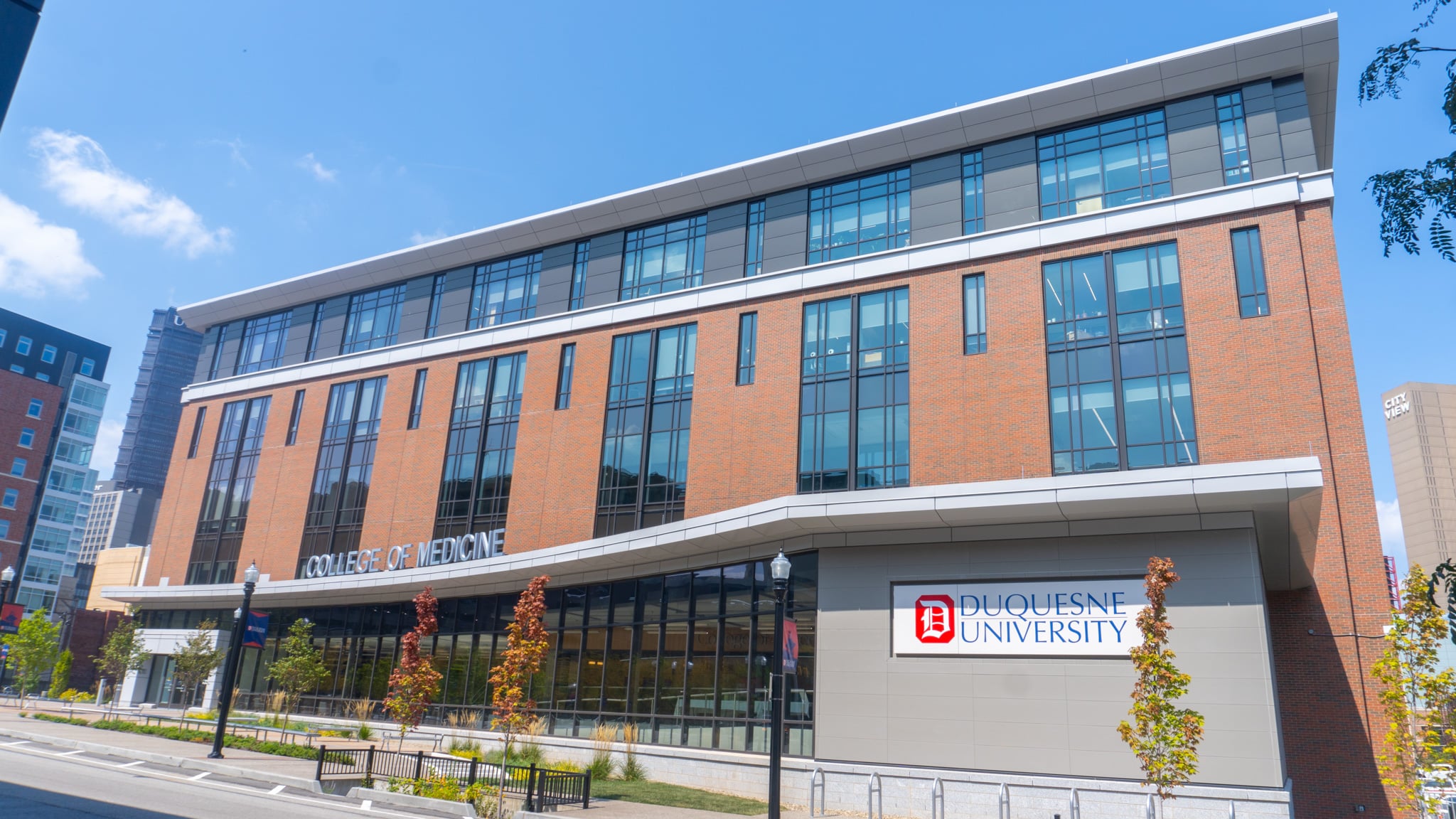
School and university portfolios want one roof standard across campuses, so Des Moines buildings get uniform documentation of drains, overflow scuppers, and clamping rings.
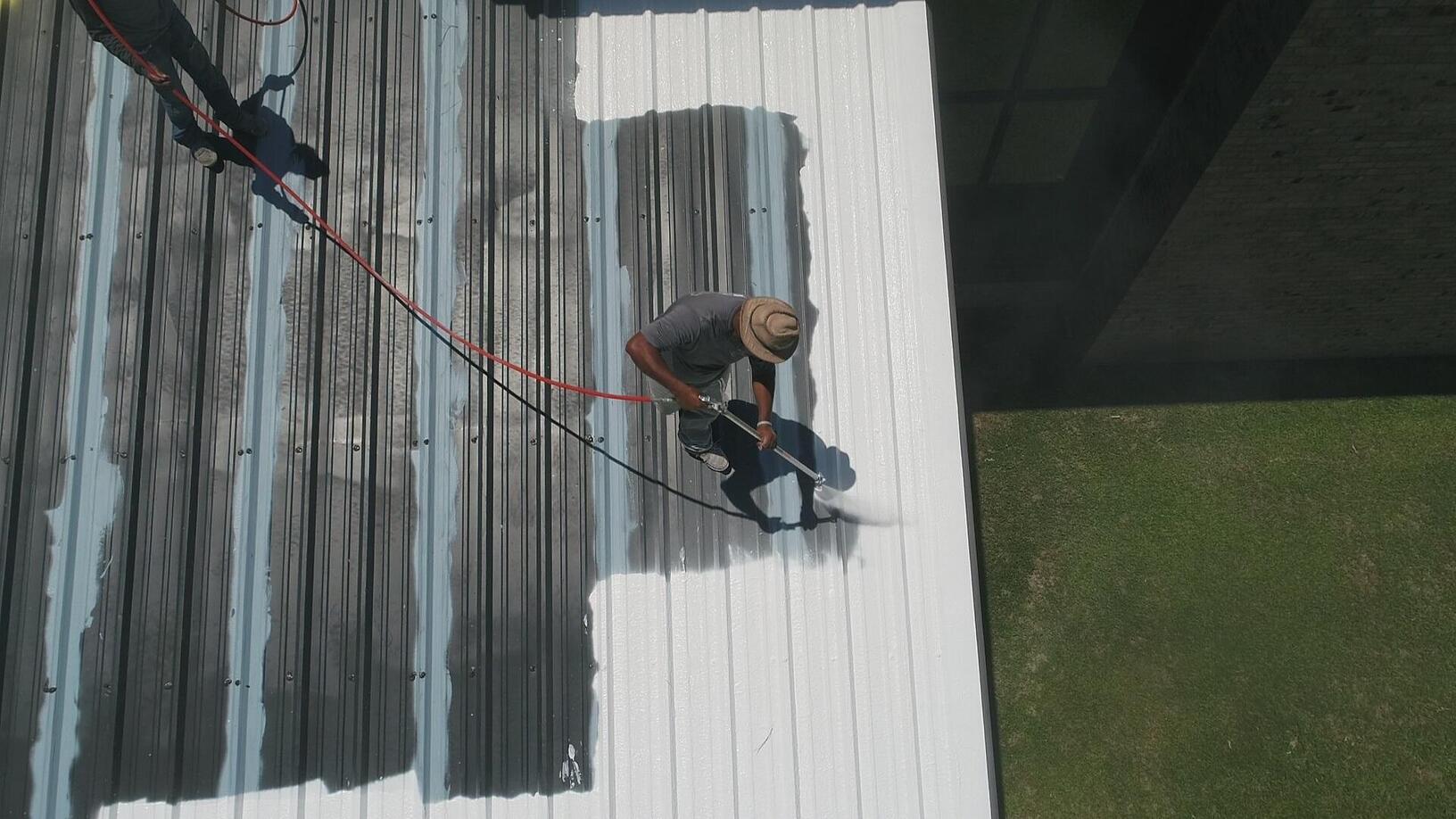
Restoration carriers need defensible records, so we standardize the documentation of expansion joints and wall-to-roof transitions across every Des Moines building in a claim.
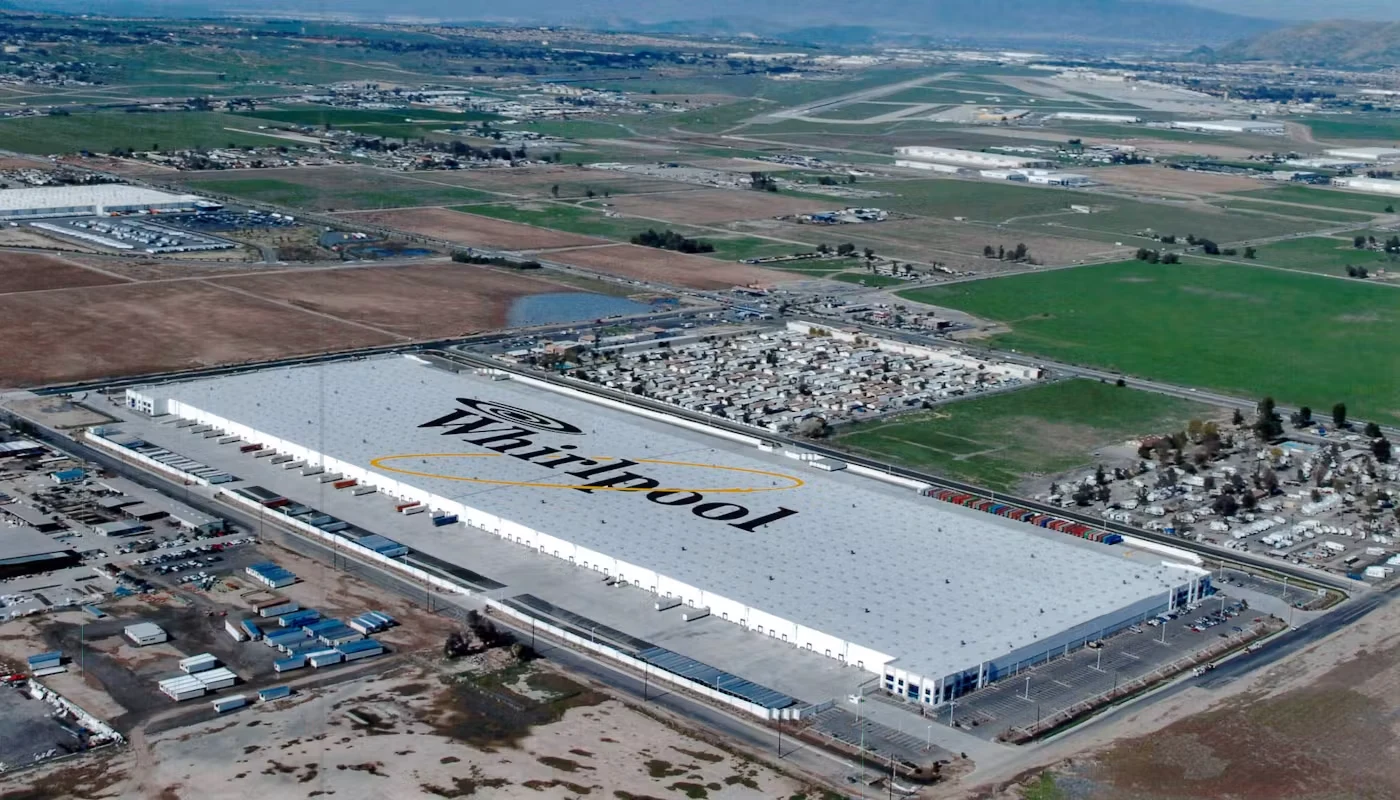
For logistics and 3PL operators in Des Moines, the roof file has to hold up to lenders while fastener rows, plates, and seam welds over acres of deck stay watertight.
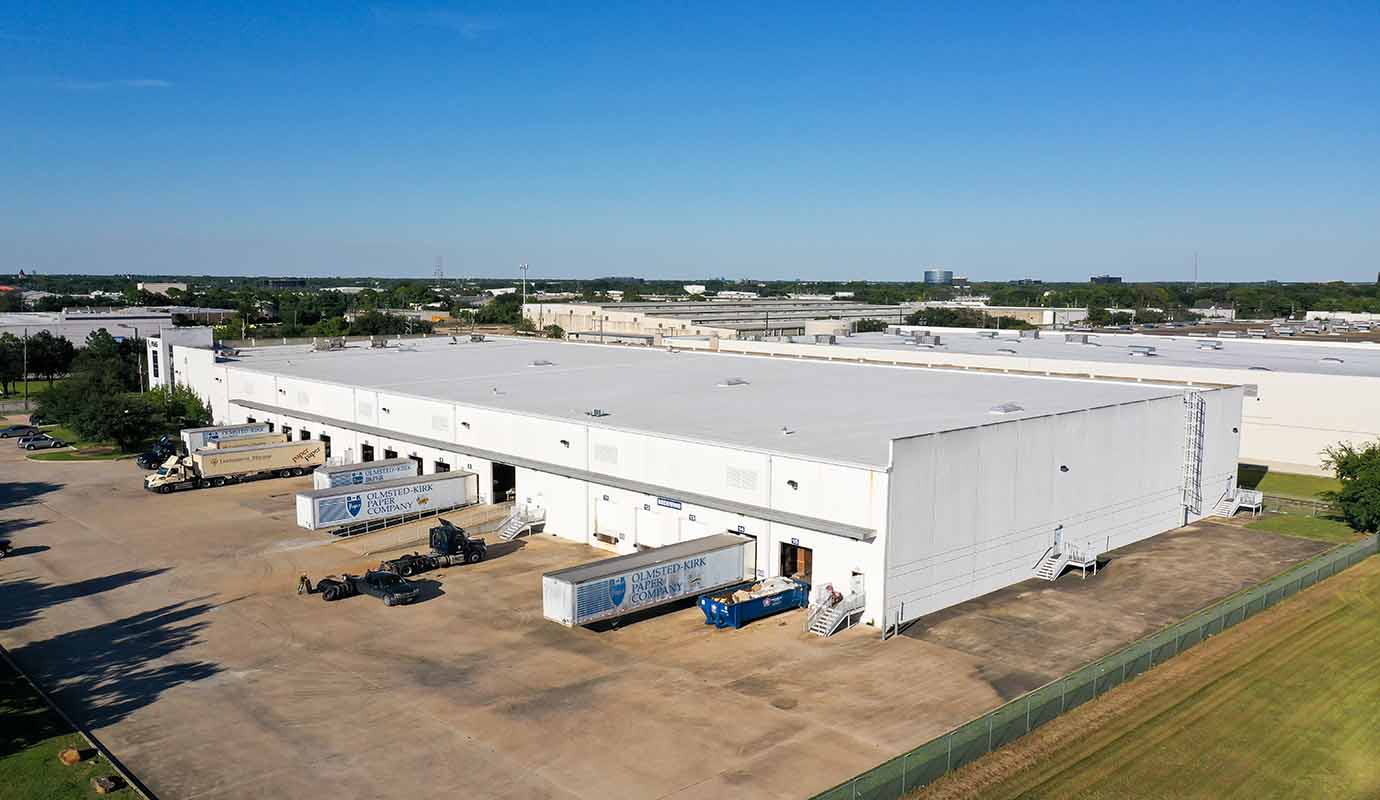
REIT-owned assets are judged on returns, so roof scopes lead with the uptime and drainage that post-thaw ponding would compromise across a Greater Des Moines portfolio.
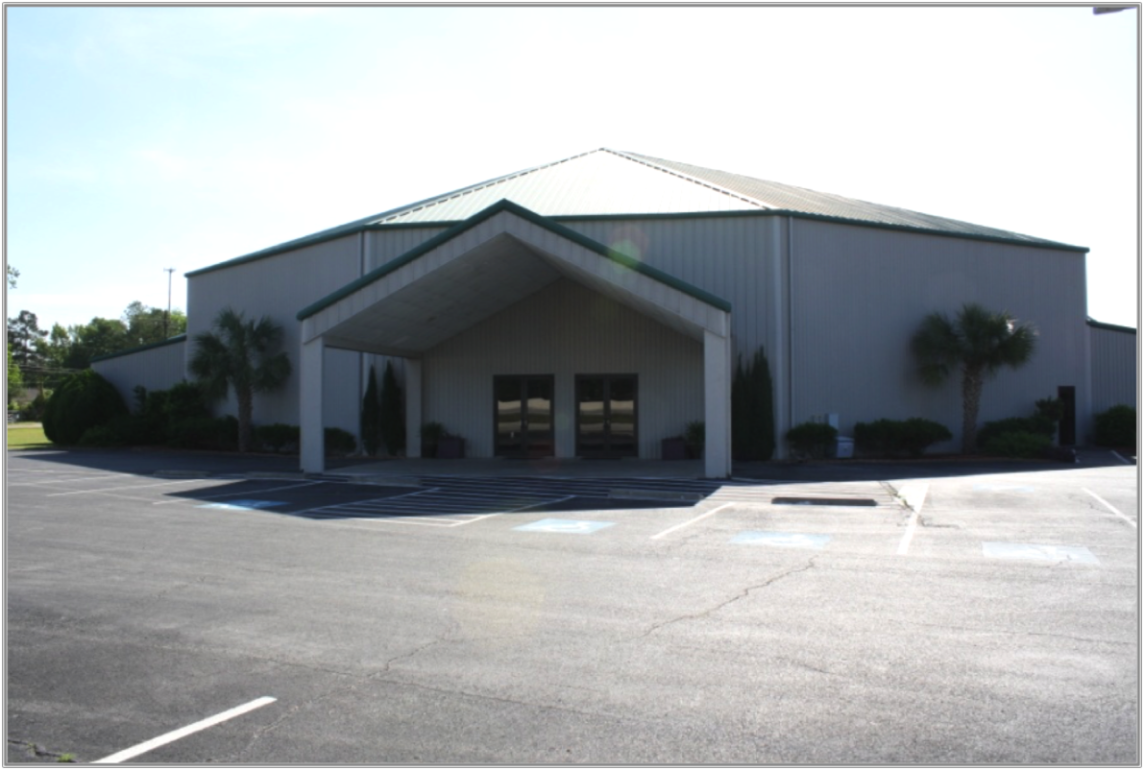
Congregations get scopes based on the people and spaces the roof shelters, with the work timed against the hail that follows Iowa summer thunderstorms.
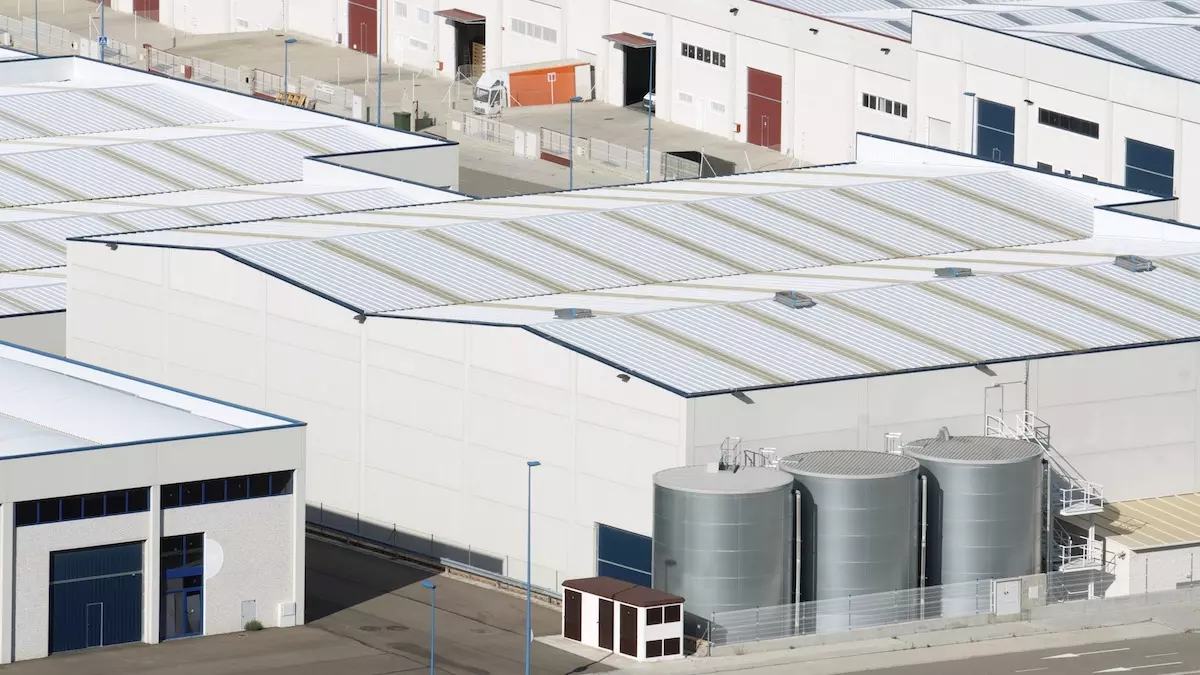
Manufacturers value predictability, so condition work maps ponding and drain capacity to a budget that already accounts for the wind and debris of tornado season.
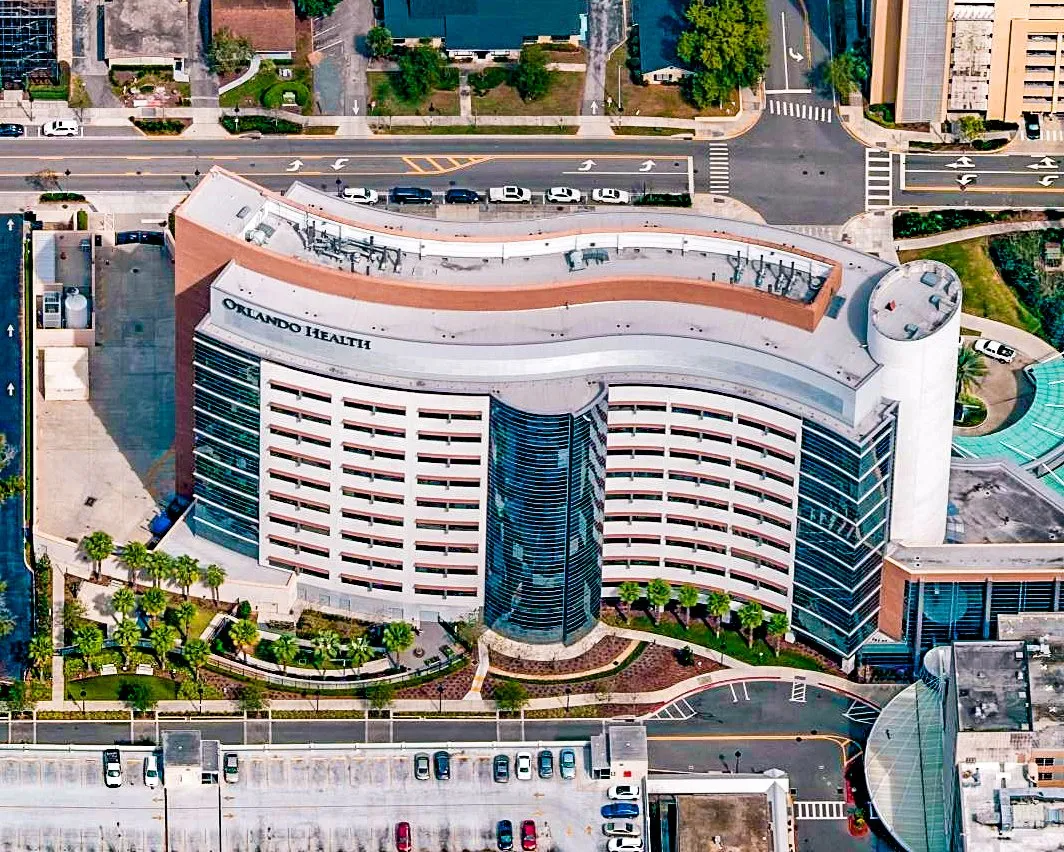
Healthcare systems in Polk County get scopes tied to the equipment and patients the roof shelters, with repairs timed around the freeze-thaw cycling that ages a deck.
For commercial real estate and REIT owners across Greater Des Moines, the roof protects net operating income first, so every scope leads with uptime through hail season.

General contractors need a roof that won't blow a schedule, so we track ponding and drainage and flag early whatever post-thaw water will reach first.
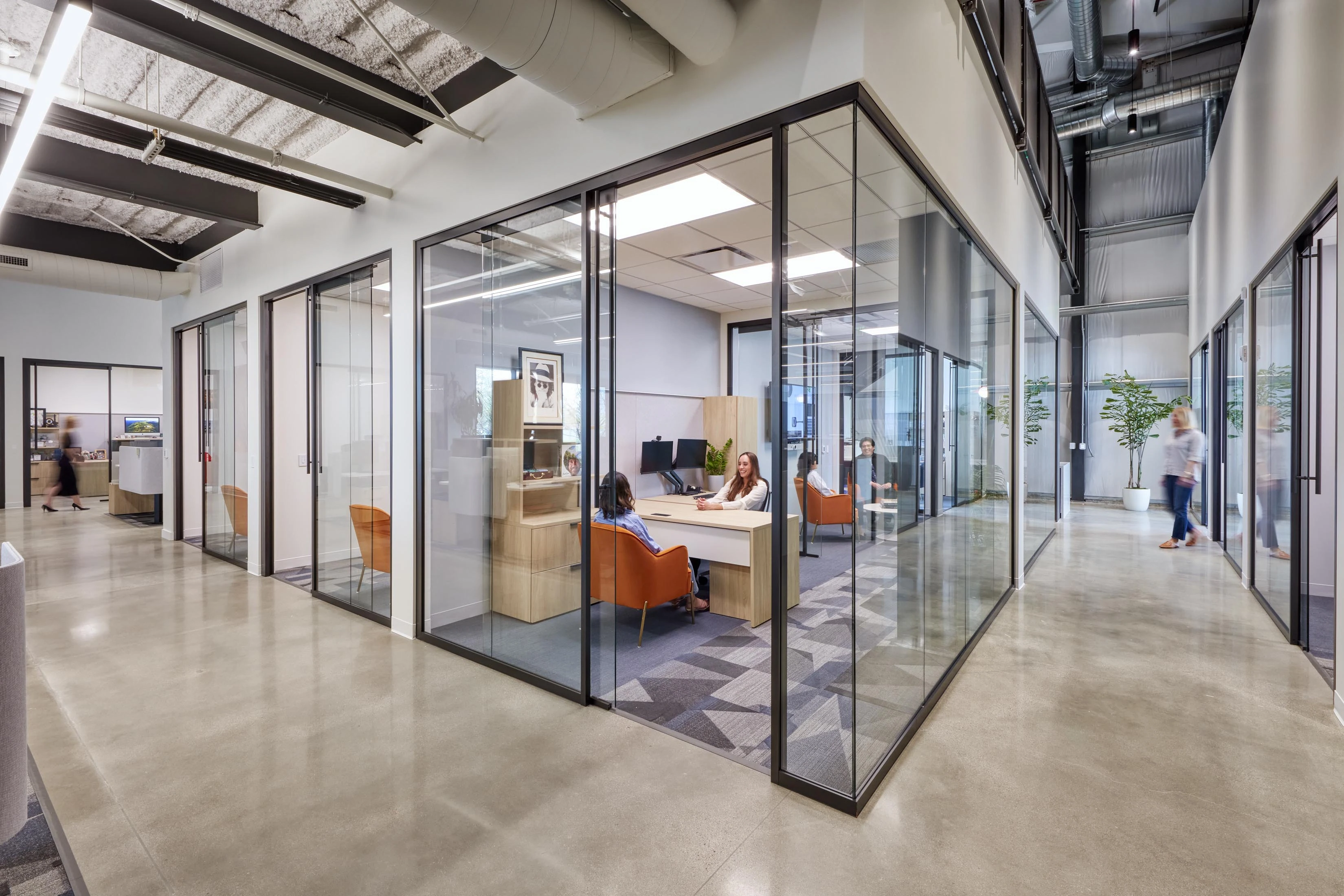
On DST-held properties in Des Moines, the roof file has to satisfy auditors and lenders while parapet caps and through-wall flashings are kept reliably watertight.